Skip to content

Wheelchairs & Transport Chairs for Home Care, Recovery and Mobility
TLC Home Mobility helps families compare wheelchairs and transport chairs for home recovery, appointments, caregiver-assisted outings, hospital discharge support, and safer movement around the home across Durham Region and the Greater Toronto Area.
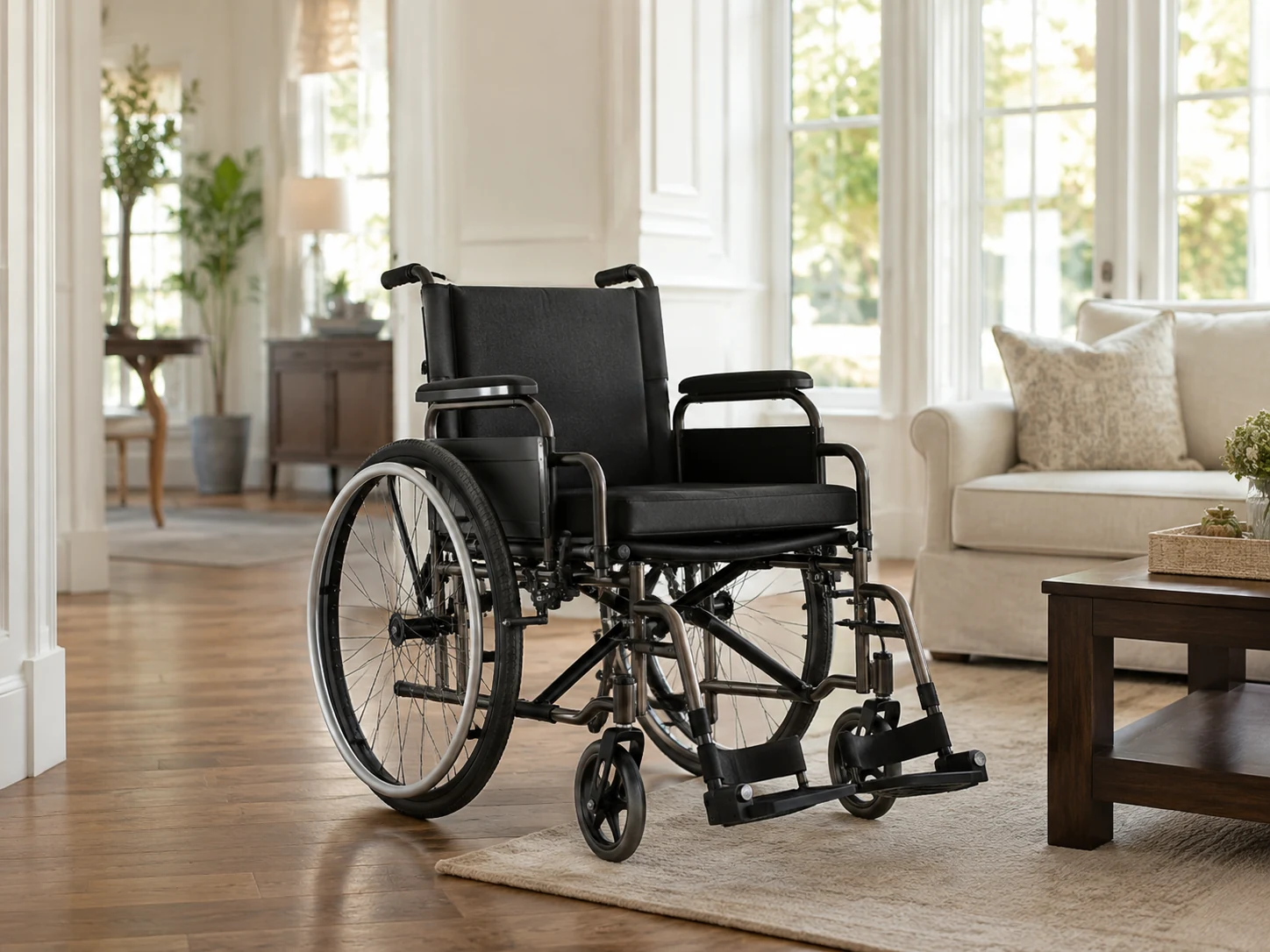
Choose the wheelchair path that fits the timeline.
Some families need a wheelchair or transport chair for a few days or weeks. Others need a longer-term mobility solution. TLC can help compare rental, purchase, and support options before you choose.
Rent a Wheelchair
Helpful for surgery recovery, temporary mobility changes, medical appointments, hospital discharge, or visitors who need short-term seated mobility support.
- 3-day, weekly, and monthly options may be available
- Good for uncertain recovery timelines
- Delivery options may be available
Buy a Wheelchair or Transport Chair
Best when the chair will be used regularly for ongoing mobility, appointments, caregiver-assisted outings, or longer-term home care support.
- Compare wheelchair and transport chair types
- Consider seat width, comfort, and transfer needs
- Ask about accessories and setup guidance
Ask TLC Before Choosing
If you are not sure whether a wheelchair, transport chair, walker, rollator, or patient lift is the safest starting point, contact TLC for practical guidance.
- Review mobility and caregiver needs
- Compare rental vs purchase
- Plan related equipment if needed
Browse Rental Categories
Wheelchairs often support a broader recovery plan with hospital beds, patient lifts, walkers, bathroom safety, and pressure relief equipment.
- Hospital beds and mattresses
- Patient lifts and transfer aids
- Walkers, rollators, and knee scooters
Support safer movement when walking is limited, tiring, or unsafe.
Wheelchairs and transport chairs can help families manage recovery, appointments, outings, discharge planning, and daily home mobility when standing or walking becomes difficult.
Hospital discharge
Prepare for safer movement at home after surgery, illness, injury, or a sudden mobility change.
Appointments and outings
Use a wheelchair or transport chair when walking long distances is difficult or tiring.
Caregiver support
Transport chairs can help caregivers assist with movement around clinics, homes, and community spaces.
Longer recovery
Support daily routines when mobility is temporarily reduced or expected to change over time.
Start with how the chair will be used.
The right option depends on whether the user can self-propel, needs caregiver assistance, requires longer seated comfort, or only needs support for short trips and appointments.
Can the user self-propel?
This helps determine whether a manual wheelchair or caregiver-pushed transport chair may be more suitable.
How long will the chair be used?
Longer seated use may require more comfort, positioning support, cushion selection, and foot support.
Where will it be used?
Home hallways, doorways, elevators, vehicles, clinics, and outdoor paths all affect chair selection.
Is walking still possible?
If the user can safely walk with support, walkers, rollators, or knee scooters may also be worth comparing.
Compare wheelchairs, transport chairs, and related mobility support.
Most seated mobility needs fall into practical groups: manual wheelchairs, transport chairs, positioning-focused options, and accessories or walking aids.
Manual Wheelchairs
Useful when the user needs seated mobility support at home, for recovery, appointments, or longer outings.
- May allow self-propelling
- Supports longer seated mobility
- Can pair with cushions and foot support
Transport Chairs
Lighter chairs designed for caregiver-assisted mobility, appointments, short trips, and easier transport.
- Caregiver-pushed design
- Good for appointments
- Often easier to move and store
Positioning & Comfort
Some users may need added comfort, cushion support, leg rests, or positioning help for longer seated use.
- Seat comfort matters
- Leg support may be needed
- Pressure relief can be important
Walkers & Rollators
For users who can still walk safely with support, walkers and rollators may help maintain standing mobility.
- Support safer walking
- Rollators include seats and brakes
- Knee scooters support foot or ankle recovery
Which chair or mobility aid makes sense?
This guide helps families understand the difference between wheelchairs, transport chairs, and walking aids before choosing.
| Decision factor | Manual Wheelchair | Transport Chair | Walker / Rollator |
|---|---|---|---|
| Best for | Seated mobility when walking is limited or unsafe. | Caregiver-assisted movement for appointments and short trips. | Users who can safely walk with support. |
| Main benefit | More practical for longer seated use and daily movement. | Lightweight support when someone else will push. | Encourages supported walking and standing mobility. |
| Key question | Can the user self-propel or sit comfortably for longer periods? | Will a caregiver always be pushing the chair? | Can the user stand, balance, and walk safely with support? |
| Recommended action | Ask about seat width, comfort, leg support, and transfer needs. | Consider transport, storage, caregiver strength, and trip length. | Compare walker, rollator, and knee scooter options. |
Wheelchairs often work with other home-care equipment.
Many families combine wheelchairs or transport chairs with walkers, hospital beds, pressure relief surfaces, patient lifts, and bathroom safety equipment. TLC can help you think through the full home setup.

Walkers, Rollators & Knee Scooters
Compare walking aids for users who can safely walk with support or need foot and ankle recovery mobility.
View Walkers, Rollators & Knee Scooters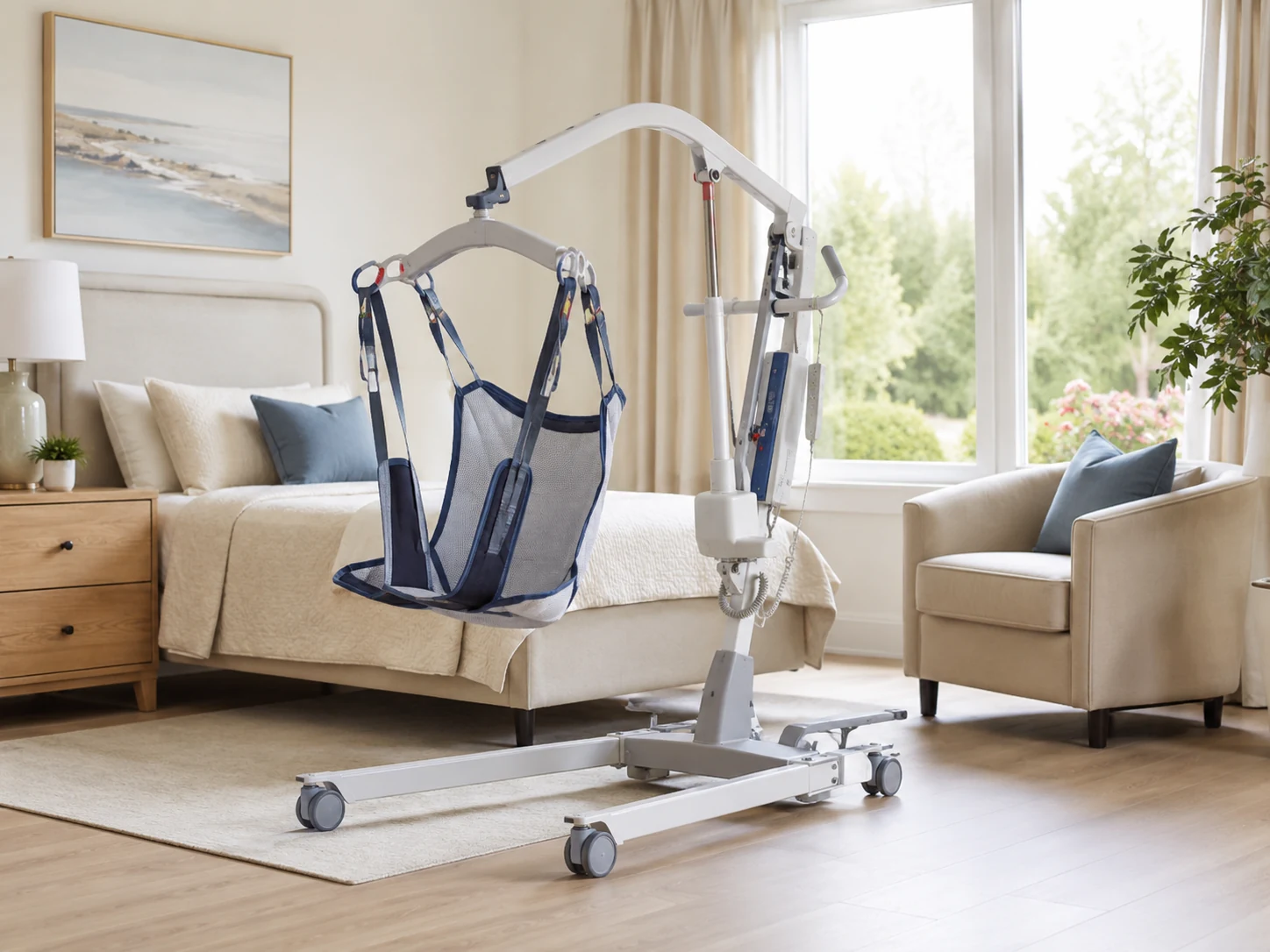
Patient Lifts & Transfer Equipment
Support safer transfers between bed, wheelchair, commode, recliner, and bathroom areas.
View Patient Lifts & Transfer Equipment
Hospital Beds for Home Care
Improve positioning, rest, caregiver access, and transfers during recovery or longer-term care.
View Hospital Bed Setups
Hospital Discharge Equipment Support
Coordinate wheelchairs, hospital beds, patient lifts, mattresses, and recovery equipment before returning home.
View Discharge SupportServing Durham Region and the GTA.
TLC Home Mobility supports families across Whitby, Durham Region, Toronto, and surrounding communities with wheelchair, transport chair, mobility aid, delivery, setup, and home-care equipment guidance.
Trusted mobility support for local families.
Families choose TLC Home Mobility for practical guidance, rental support, delivery options, and help choosing wheelchairs, transport chairs, and related home-care equipment.
Wheelchair & Transport Chair Solutions
TLC Home Mobility provides wheelchair rentals, transport chairs, hospital discharge mobility equipment, caregiver-assisted mobility solutions, walking aid guidance, and home recovery equipment throughout Durham Region and the Greater Toronto Area.
Common questions about wheelchairs and transport chairs.
These answers help families compare chair types, comfort needs, transfers, rentals, and home setup considerations.
What is the difference between a wheelchair and a transport chair?
A manual wheelchair may allow the user to self-propel depending on strength and mobility. A transport chair is usually lighter and designed to be pushed by a caregiver for appointments, outings, and short-distance movement.
When is a wheelchair helpful at home?
A wheelchair can help when walking is limited, tiring, painful, or unsafe. It may support home recovery, hospital discharge, appointments, and day-to-day mobility when paired with the right home setup.
Can wheelchairs be used with patient lifts or hospital beds?
In many home-care settings, wheelchairs are used alongside hospital beds, patient lifts, commodes, and transfer aids. Room layout, doorway width, transfer method, and caregiver support all matter.
How do I choose the right wheelchair size?
Wheelchair choice depends on seat width, user height and weight, comfort, transfer method, foot support needs, caregiver assistance, and how long the chair will be used each day.
Do you offer wheelchair rentals?
Wheelchair rental options may be available for short-term recovery, appointments, hospital discharge, or temporary mobility changes. Contact TLC to confirm current availability and suitability.
Does TLC serve Durham Region and the GTA?
TLC Home Mobility is based in Whitby and supports families across Durham Region and the Greater Toronto Area, including nearby communities such as Oshawa, Ajax, Pickering, Toronto, Markham, Vaughan, Mississauga, and Brampton.
Should I rent or buy a wheelchair?
Renting may be practical for short-term recovery, appointments, temporary mobility changes, or uncertain timelines. Buying may be better for longer-term mobility needs or regular daily use.
What other equipment is often used with a wheelchair?
Wheelchairs are often paired with hospital beds, patient lifts, walkers, rollators, commodes, bathroom safety equipment, and pressure relief cushions or mattresses depending on the home-care situation.
How do I know if I need a wheelchair or a walker?
If the user can safely stand and walk with support, a walker or rollator may be appropriate. If walking is unsafe, very tiring, or not possible for longer distances, a wheelchair or transport chair may be a better option. TLC can help compare both options.
Need help choosing a wheelchair or transport chair?
Tell TLC about the user’s mobility level, transfer needs, caregiver support, seated comfort needs, and where the chair will be used. We can help you compare wheelchairs, transport chairs, walking aids, and rental options.