Skip to content

Patient Lifts & Transfer Equipment for Safer Home Care
TLC Home Mobility helps families choose patient lifts, sit-to-stand lifts, slings, turn discs, and transfer aids for safer care at home. Compare options for hospital discharge, long-term home care, caregiver support, fall-risk reduction, and mobility changes across Durham Region and the Greater Toronto Area.
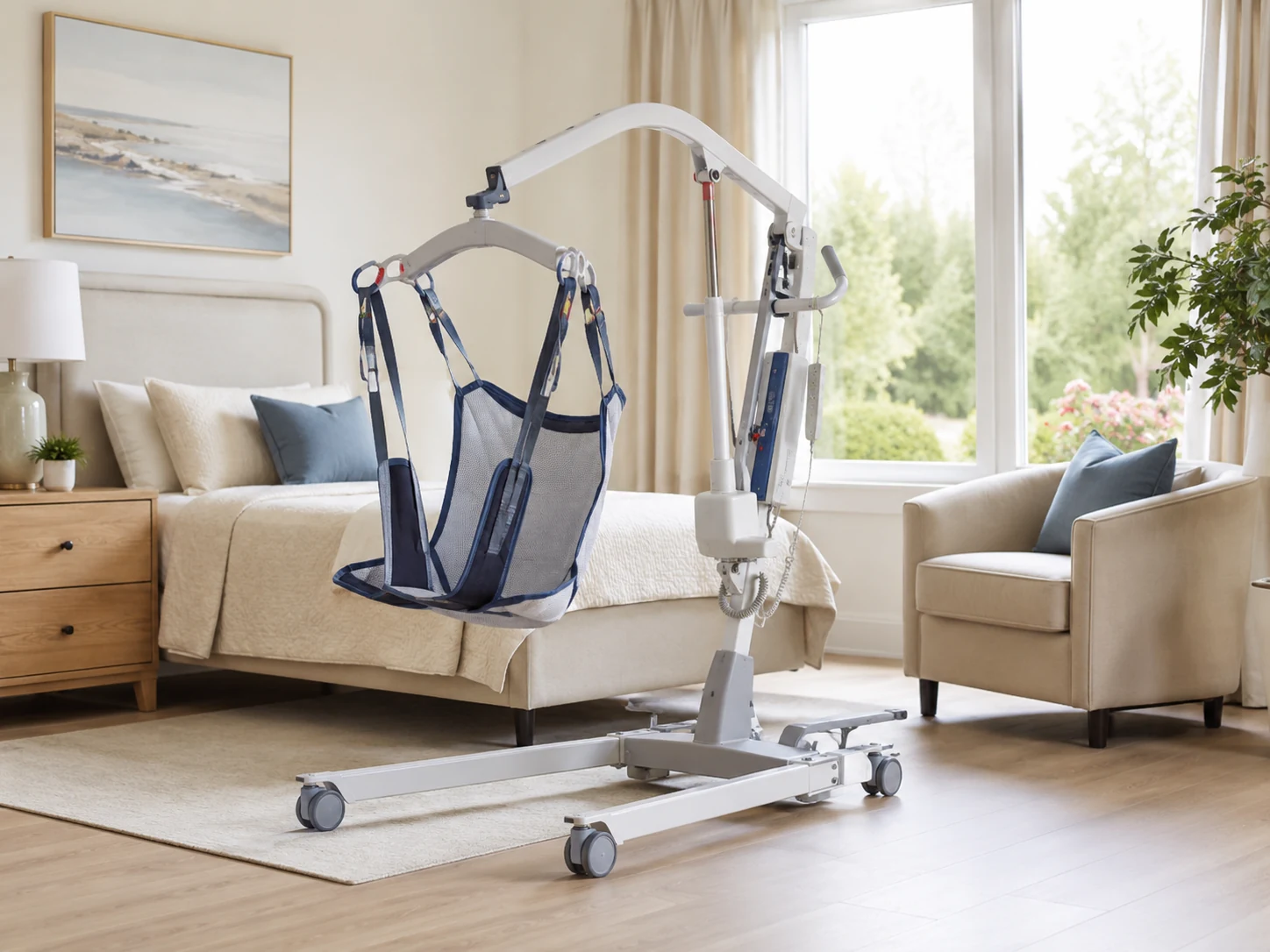
Choose the right path for patient lift and transfer support.
Some families need a short-term rental after discharge, while others need longer-term transfer equipment planning. These quick links help you move to the right next step.

Rent Patient Lifts & Transfer Aids
Monthly rental options may help with hospital discharge, temporary recovery, trial periods, or uncertain care timelines.
View Patient Lift RentalsCompare Equipment Options
Review full-body lifts, sit-to-stand lifts, transfer aids, slings, and accessories before deciding what fits the home-care situation.
Compare Options
Ask TLC Before Choosing
Tell us about the person’s mobility, transfer locations, caregiver support, home layout, and timing so we can help narrow the options.
Contact TLCSupport safer transfers for the person receiving care and the caregiver.
Transfers can become one of the most difficult parts of home care. The right lift or transfer aid can reduce strain, improve safety, and support care routines when mobility changes suddenly or gradually.
Hospital discharge
Prepare the home when a loved one returns with reduced mobility or new transfer needs.
Caregiver strain
Reduce lifting strain and improve safety during bed, chair, wheelchair, and commode transfers.
Limited weight-bearing
Choose equipment based on whether the person can stand, pivot, or support their own weight.
Long-term care at home
Support repeat daily transfers with equipment that matches the home and care routine.
Start with the person’s mobility level.
The right transfer equipment depends on whether the person can bear weight, follow instructions, sit upright, participate in standing, or needs full support. TLC can help you compare options before buying or renting.
Can the person stand?
This helps determine whether a sit-to-stand lift or full-body lift may be more appropriate.
Where are transfers happening?
Bed, wheelchair, recliner, commode, and bathroom access all affect equipment choice.
Who is assisting?
Caregiver strength, training, and confidence matter when choosing transfer equipment.
Temporary or long-term?
Rentals may be practical for recovery, trial periods, discharge, or uncertain timelines.
Compare patient lifts and transfer aids for home care.
Most transfer needs fall into four practical groups: full-body patient lifts, sit-to-stand lifts, transfer aids, and slings or accessories.
Full-Body Patient Lifts
For users who cannot safely stand or bear weight during transfers between bed, wheelchair, chair, or commode.
- Supports full-body transfers
- Requires compatible sling
- Rental options may be available
Sit-to-Stand Lifts
For users who can participate in standing but need mechanical assistance and caregiver support for safer transfers.
- Requires some participation
- Helpful for toileting access
- Supports caregiver safety
Turn Discs & Transfer Aids
Useful for pivot transfers when the person can stand with assistance but needs help turning safely.
- Compact transfer support
- Good for short transfers
- Ask about suitability
Slings & Transfer Accessories
Slings must be matched to the lift, user size, transfer type, and care setting for safer use.
- Full-body sling options
- Standing sling options
- Size and fit matter
Which transfer solution makes sense?
This guide helps families understand the difference between full-body lifts, sit-to-stand lifts, and simpler transfer aids.
| Decision factor | Full-Body Lift | Sit-to-Stand Lift | Turn Disc / Transfer Aid |
|---|---|---|---|
| Best for | People who cannot safely stand or bear weight. | People who can participate in standing with assistance. | Short pivot transfers when standing support is possible. |
| Main benefit | Provides full lifting support for dependent transfers. | Supports standing, toileting access, and caregiver safety. | Compact and simple for certain assisted transfers. |
| Key question | Can the person safely bear weight? | Can the person follow instructions and participate? | Is this a short pivot transfer with support? |
| Recommended action | Ask about lift and sling compatibility. | Discuss standing ability and transfer locations. | Call TLC to confirm if a transfer aid is suitable. |
Transfer equipment often works with other home-care equipment.
Many families combine patient lifts with hospital beds, wheelchairs, commodes, medical mattresses, and bathroom safety equipment. TLC can help you think through the full room setup, not just one product.
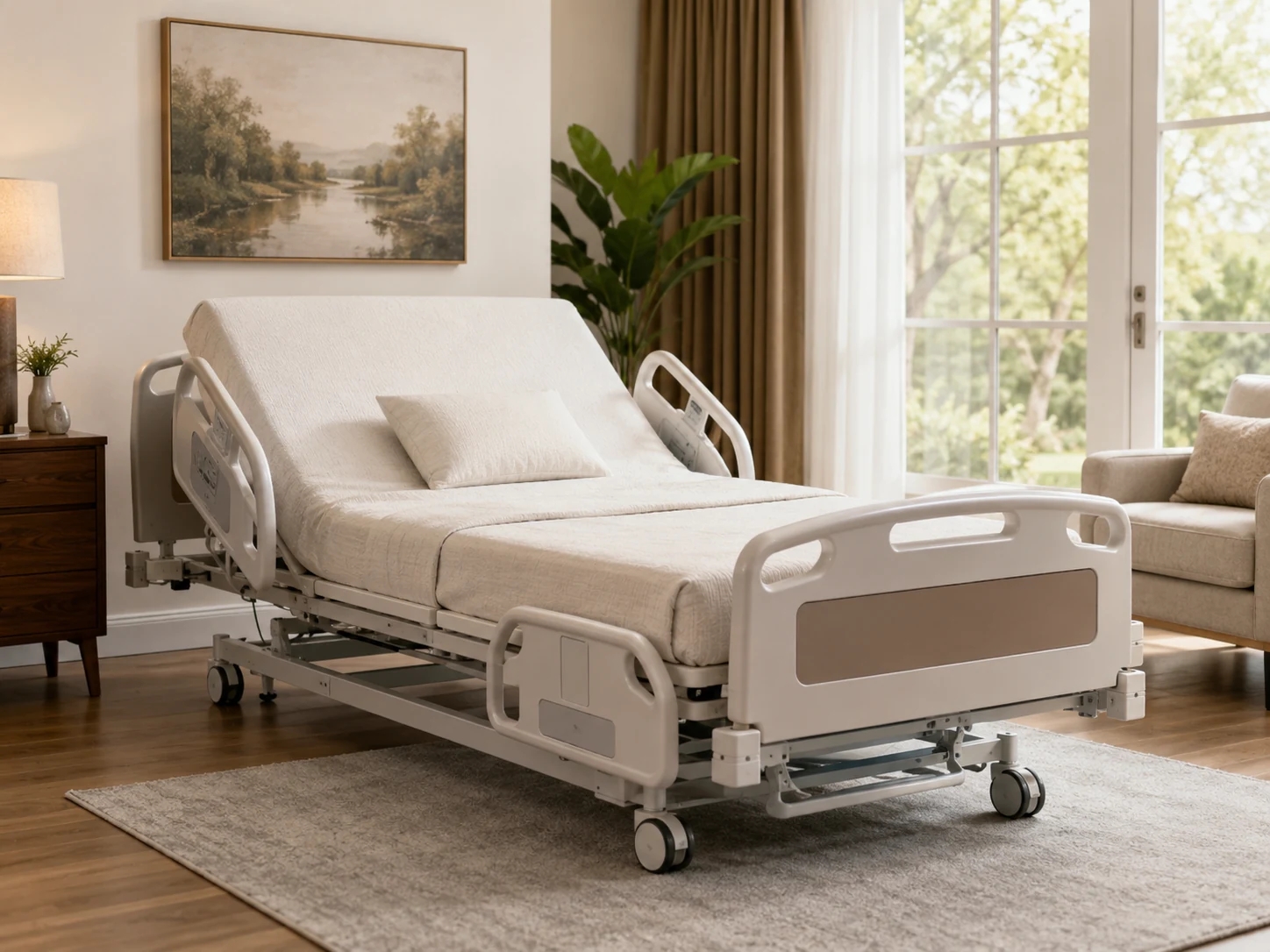
Hospital Beds for Home Care
Improve positioning, caregiver access, and transfer height when paired with suitable lift access.
View Hospital Bed Setups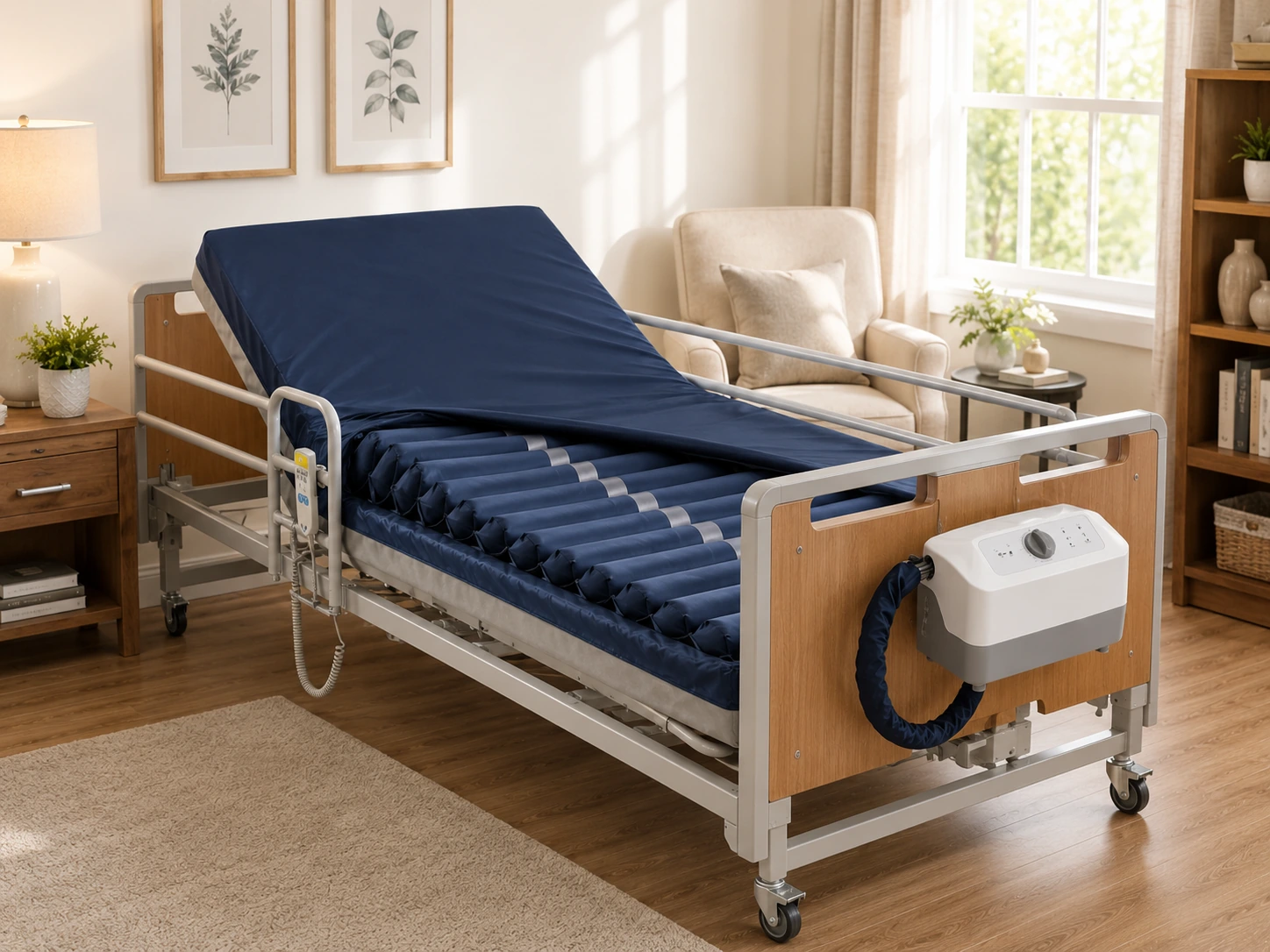
Medical Mattresses & Pressure Relief
Pair the transfer plan with mattress support for longer time in bed, reduced mobility, or pressure relief needs.
View Medical Mattresses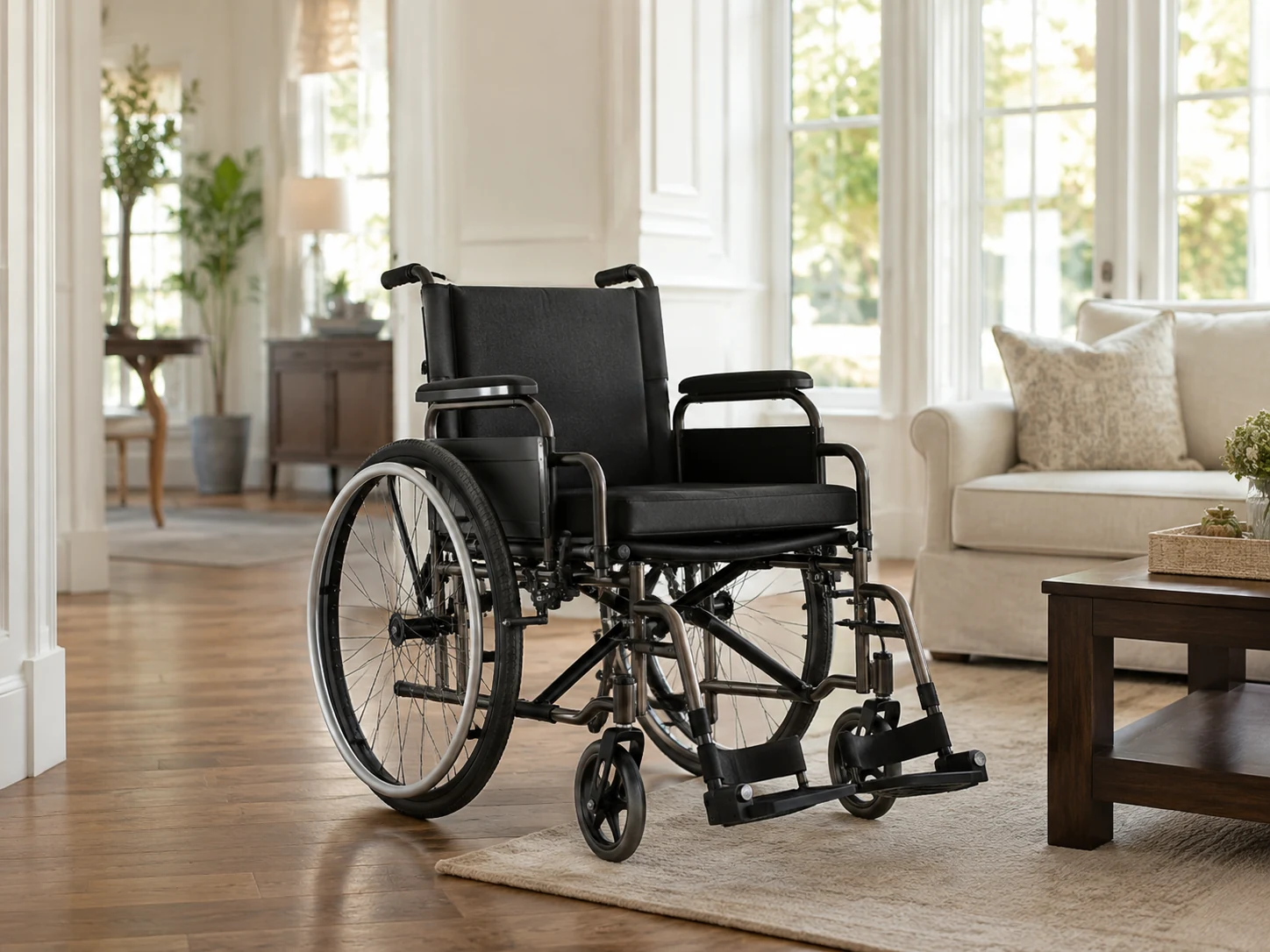
Wheelchairs & Transport Chairs
Compare mobility chairs used with bed, lift, commode, and appointment transfer routines.
View Wheelchairs & Transport Chairs
Walkers, Rollators & Knee Scooters
Walking support equipment for recovery, mobility changes, rehabilitation, and caregiver-assisted mobility planning.
View Walking AidsFrequently rented with patient lift and transfer equipment.
Transfer needs often connect with the full home-care setup. Families may also need a hospital bed, pressure relief mattress, wheelchair, or walking support equipment.

Hospital Bed Rentals
Support positioning, bed height, caregiver access, and safer transfer routines at home.
View Hospital Bed Rentals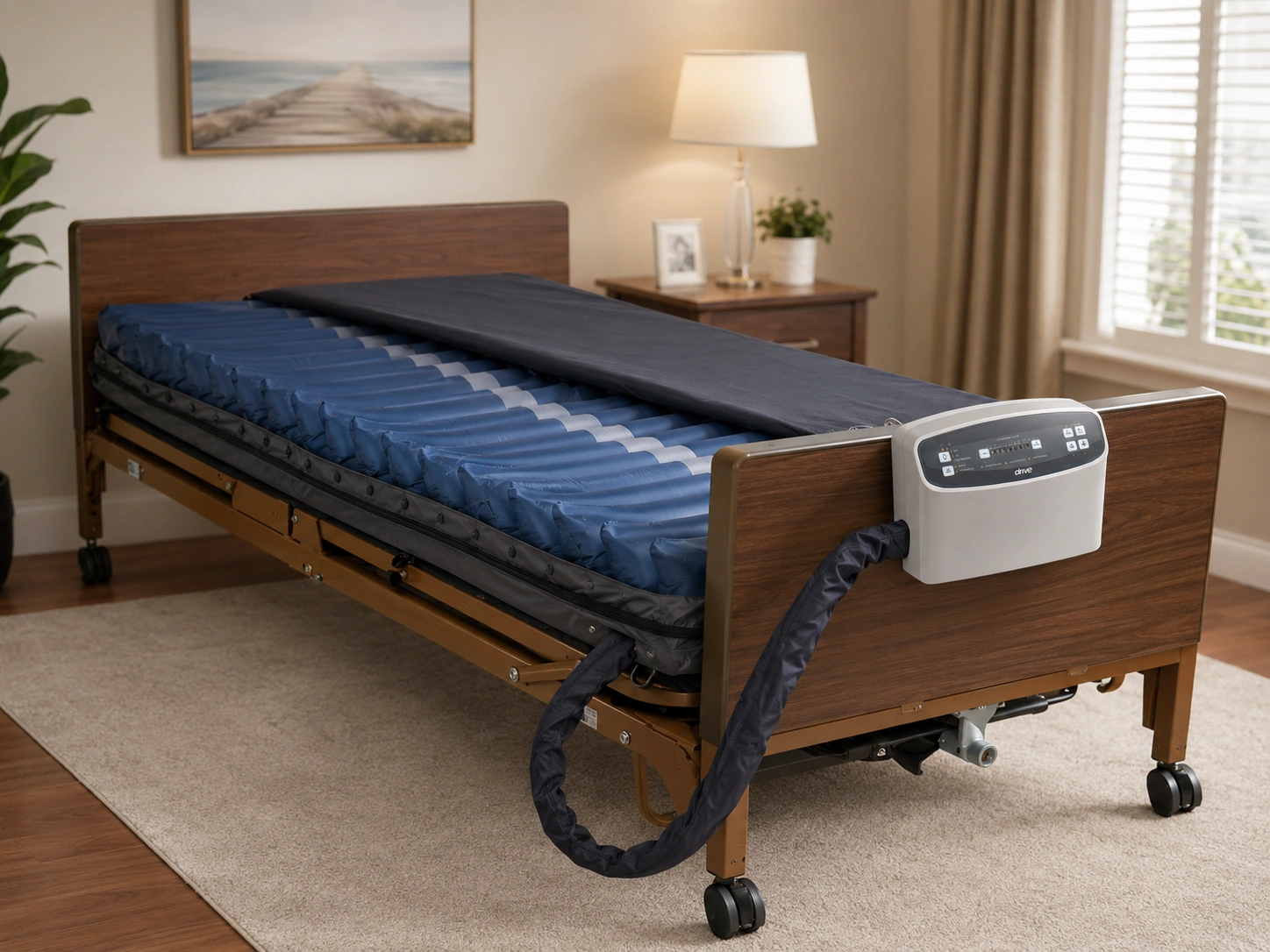
Air Mattress Rentals
Pressure relief support for people spending extended time in bed during recovery or home care.
View Air Mattress Rentals
Wheelchair Rentals
Support transfers, appointments, outings, and short-term seated mobility needs.
View Wheelchair Rentals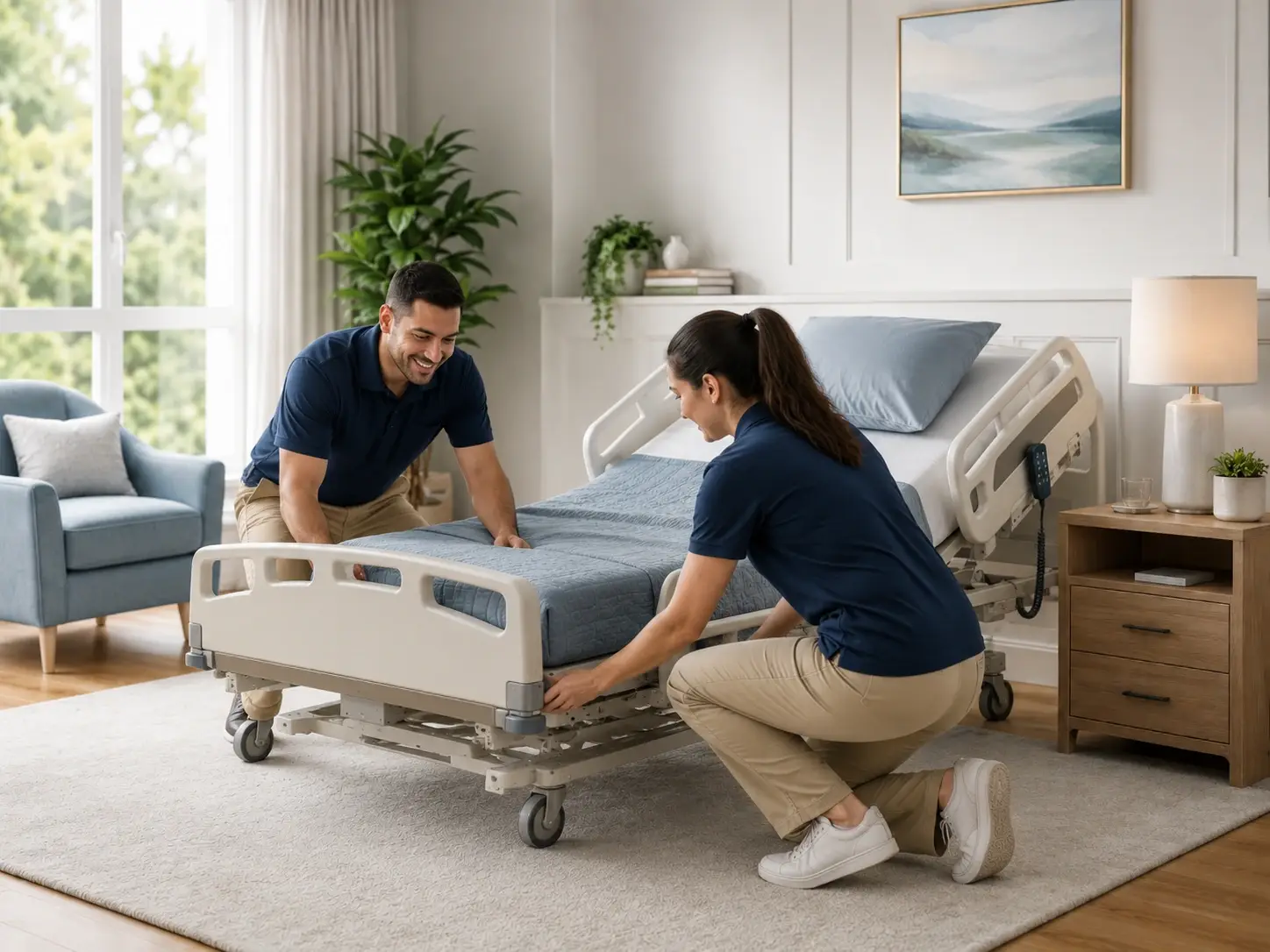
Hospital Discharge Equipment Support
Hospital beds, mattresses, wheelchairs, lifts, and bathroom safety equipment arranged before returning home.
View Discharge SupportServing Durham Region and the GTA.
TLC Home Mobility supports families across Whitby, Durham Region, Toronto, and surrounding communities with patient lifts, transfer aids, delivery, setup, and home-care equipment guidance.
Patient lifts and transfer aids must be used safely.
Users and caregivers are responsible for following manufacturer instructions, using compatible slings and accessories, respecting weight capacities, and asking for professional guidance when a transfer situation is unclear.
Use compatible slings
Slings must match the lift type, user size, transfer purpose, and manufacturer guidance.
Check weight capacity
Confirm equipment capacity, user needs, and whether the person can safely participate in standing or pivoting.
Prepare the room
Flooring, bed height, doorway clearance, furniture spacing, and transfer path all affect safe use.
Ask before choosing
Call TLC if you are unsure whether a full-body lift, sit-to-stand lift, or transfer aid is appropriate.
Patient Lift & Transfer Equipment at a Glance
Patient lifts and transfer equipment help support safer transfers between beds, wheelchairs, recliners, commodes, and bathroom equipment. TLC Home Mobility provides patient lifts, sit-to-stand lifts, transfer aids, slings, rentals, and guidance throughout Durham Region and the Greater Toronto Area.
Common questions about patient lifts and transfer aids.
These answers help families compare lift types, slings, transfer aids, rental timing, and home setup considerations.
What is the difference between a patient lift and a sit-to-stand lift?
A full-body patient lift is typically used when the person cannot safely stand or bear weight. A sit-to-stand lift is used when the person can participate in standing but needs mechanical assistance and caregiver support.
Can I rent a patient lift for home care?
Patient lift rental options may be available for short-term recovery, hospital discharge, caregiver support, or uncertain timelines. Contact TLC to confirm current rental availability and suitability.
How do I know what sling I need?
The sling must match the lift type, user size, transfer purpose, and care situation. Sling fit is important, so ask for guidance before choosing or using a sling.
Can a patient lift be used with a hospital bed?
In many home-care settings, patient lifts are used with compatible hospital beds, wheelchairs, recliners, or commodes. Room layout, bed height, flooring, and clearance all affect safe use.
Is a turn disc enough instead of a lift?
A turn disc may help with short pivot transfers only when the person can stand with assistance and safely participate. It is not a replacement for a lift when full support is needed.
Does TLC deliver and set up transfer equipment?
Delivery and setup may be available in TLC service areas. Contact TLC to confirm availability, timing, and equipment suitability for your home-care situation.
What other equipment is often needed with a patient lift?
Patient lifts are often planned with hospital beds, pressure relief mattresses, wheelchairs, commodes, bathroom safety equipment, and walking aids depending on the person’s transfer needs and home layout.
Trusted support for home-care equipment decisions.
Families choose TLC Home Mobility for practical guidance, delivery support, and help choosing equipment that fits the person, caregiver, and home.
Need help choosing patient lift or transfer equipment?
Tell TLC about the person’s mobility, weight-bearing ability, transfer locations, caregiver support, and home layout. We can help you compare patient lifts, sit-to-stand lifts, transfer aids, slings, and rental options.