Skip to content

How to Use Patient Lifts Safely: Protecting Caregivers and Patients Alike
Many caregivers face injuries while moving loved ones without the right tools. Using a patient lift correctly can protect both you and those in your care from harm. This guide breaks down everything you need—from choosing the right lift and sling to proper transfer steps and maintenance tips—so you can feel confident and keep everyone safe. Let’s make patient transfer easier and safer together.
Choosing the Right Patient Lift
Selecting the right lift can seem overwhelming, but it’s crucial for safety and ease. Understanding the types available helps in making an informed decision.
Understanding Different Lift Types
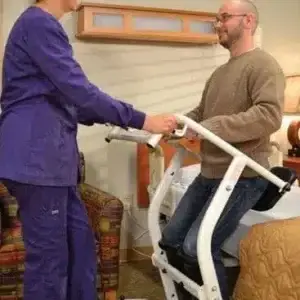
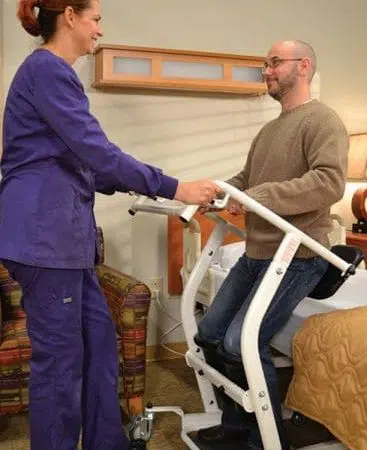
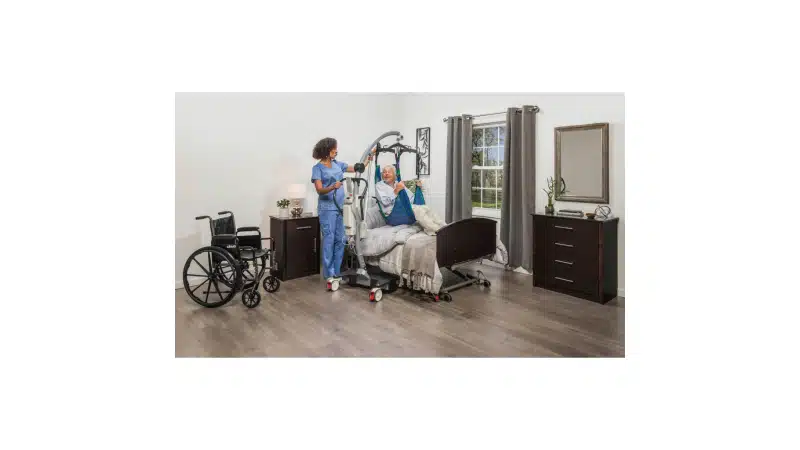
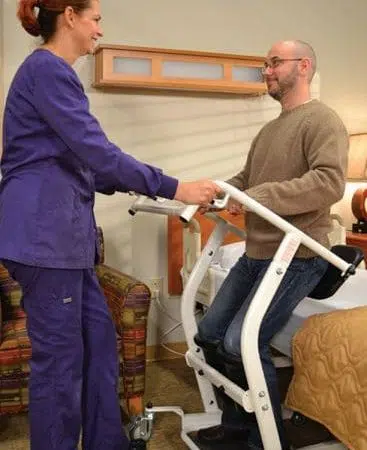
There are various types of lifts to consider, each with specific uses. Hoyer lifts are popular for full-body support. They help when moving from bed to wheelchair. Sit-to-stand lifts are ideal for those who can support some weight. They assist with transfers from a sitting to a standing position. Ceiling lifts, installed on tracks, offer the advantage of space-saving and ease of use without needing extra floor space.
Stories from many families show how picking the right lift reduces risk and boosts confidence. A family once shared how a sit-to-stand lift became a game-changer for their loved one, making daily routines smoother and safer. Remember, the right choice can significantly impact daily caregiving.
Selecting the Correct Lift Sling
Equally important is choosing the right sling. Slings come in different shapes and sizes. A well-fitting sling is crucial for support and safety. Bariatric slings cater to larger body sizes and provide extra durability. A family caregiver once mentioned how a proper sling improved their loved one’s comfort and reduced their strain.
The right sling ensures proper posture and weight distribution during transfers. Always match the sling to the lift type and the patient’s needs. This attention to detail ensures comfort and enhances safety during transfers.
Safe Patient Transfer Techniques
Now that you’ve selected the right tools, it’s time to focus on techniques. Safe transfers protect both the caregiver and the patient.
Step-by-Step Transfer Process
Mastering a step-by-step process is key to a smooth transfer. Start by explaining each step to your loved one to ease any anxiety.
-
Position the lift: Place the lift close to the patient, ensuring wheels are locked.
-
Attach the sling: Securely fasten the sling around the patient, checking for a snug fit.
-
Lift and move: Gradually lift the patient, communicating throughout, and move them to the desired location.
-
Lower carefully: Slowly lower the patient, ensuring they’re comfortable and safe.
Following these steps minimizes risks and enhances the experience for everyone involved.
Preventing Caregiver Injuries
Protecting yourself is just as important as safeguarding the person you’re helping. Many caregivers suffer from back injuries due to improper techniques. Regularly practicing proper posture and lifting techniques can prevent these issues.
Here’s the key insight: Never rush a transfer. Most injuries occur when caregivers hurry. Take your time, and ensure you’re using the equipment correctly. Invest time in learning and practicing these techniques. It pays off in reduced injury risk and greater peace of mind.
Maintaining Your Mobility Equipment
Proper maintenance ensures your equipment stays reliable and safe. Regular checks and upkeep can prevent unexpected malfunctions.
Regular Lift Maintenance Tips
Routine maintenance keeps lifts working efficiently. Always check the lift for any signs of wear and tear. Inspect the wheels and brakes for smooth operation. Lubricate moving parts to prevent stiffness. A well-maintained lift not only ensures safety but also extends its lifespan.
Keep a maintenance log. Documenting each check helps track when each part was last serviced. This habit provides a clear history and helps predict when the next service is due, keeping the equipment in top shape.
Importance of Sling Sizing and Fit
Ensuring the sling fits well is crucial for safety and comfort. An improperly sized sling can cause discomfort or even lead to accidents. Regularly recheck the fit, especially if the patient’s condition changes.
Most people think any sling will do, but this is a misconception. A well-fitted sling makes a world of difference in comfort and security during transfers. Prioritize checking for wear and replacing it as needed. A small investment in time and attention here can improve safety and comfort significantly.
By understanding and implementing these guidelines, you ensure a safer environment for both caregivers and those in their care. Your dedication to learning and applying these techniques is a testament to your commitment to safety and quality care.