Skip to content

Essential home mobility aids for a safer, easier post-surgery recovery
Post-surgery recovery can feel overwhelming when moving around your home feels unsafe or painful. The right home mobility aids can ease this transition, reduce your risk of falls, and boost comfort during healing. In this guide, you’ll find essential post-surgery recovery aids, clear tips on choosing the right equipment, and how TLC Home Mobility delivers and sets up what you need quickly across the GTA. For more information, you can check out this helpful resource here.
Choosing the Right Mobility Aids
Starting your recovery at home means making smart choices about mobility aids. Let’s look at some key equipment that can make life easier after surgery.
Adjustable Hospital Beds
Comfort is crucial when you’re healing. An adjustable hospital bed can help. These beds allow you to find the perfect position with ease. You can raise or lower the head and foot sections, which can relieve pressure on sore spots. Here’s the key insight: by adjusting the bed, you improve blood circulation and reduce the risk of complications like bed sores.
Most people think they need to buy these beds outright, but rentals are a flexible option. Renting a hospital bed can be cost-effective, especially if you only need it for a short period. A trusted local provider in Toronto can offer fast delivery and setup, making your transition smoother.
Walker vs Rollator
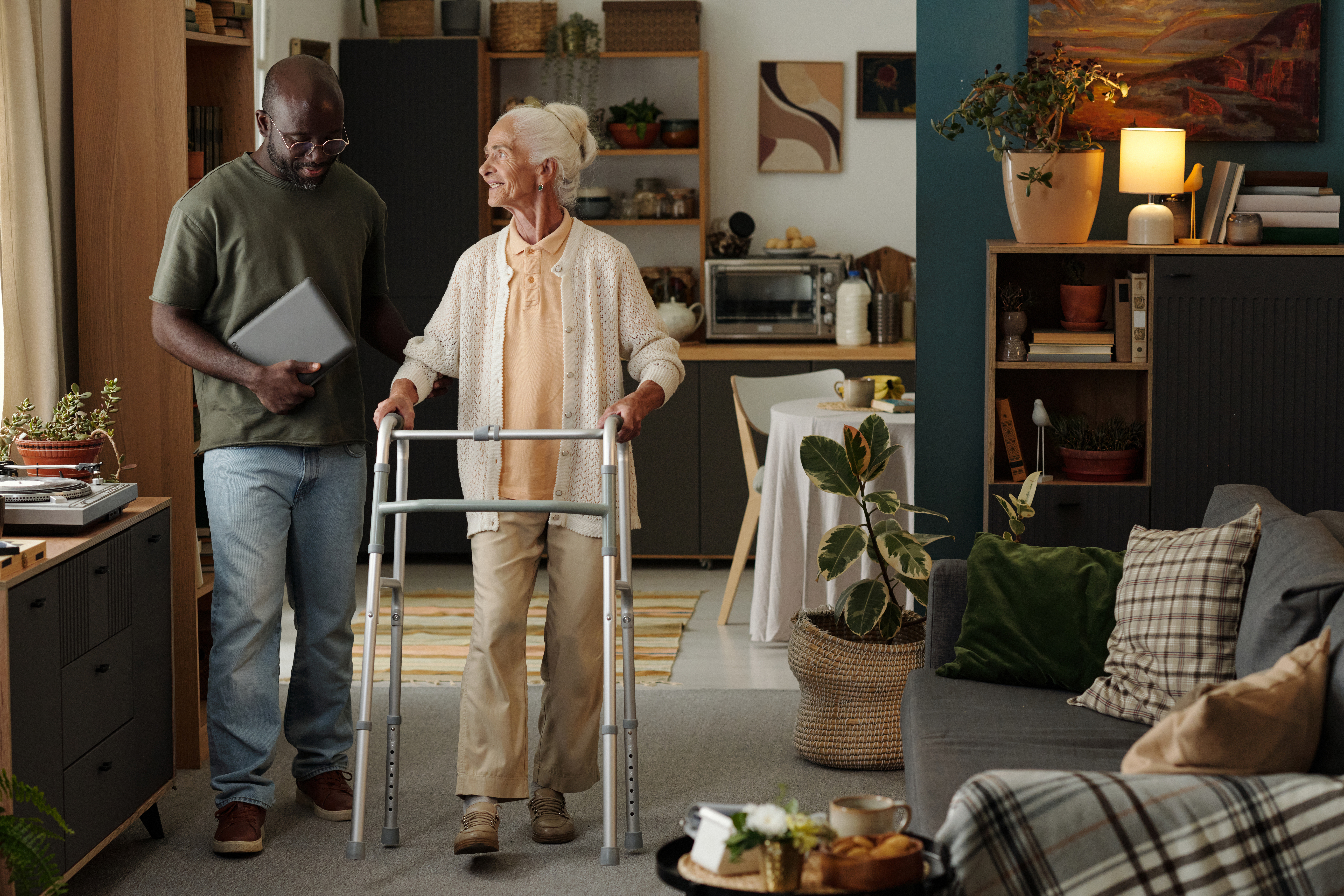
When it comes to walking aids, the choice between a walker and a rollator can be confusing. Walkers are sturdy and provide excellent support. They are perfect if you need something stable to hold onto. On the other hand, rollators have wheels and often come with a seat, making them great if you want mobility with a place to rest.
Think about your space: if your home has narrow hallways, a walker might be best. If you need to move around more freely and have room to maneuver, a rollator could be the right fit. Each choice supports your independence, but the key is to match the tool to your needs.
Wheelchairs and Transport Chairs
For those with limited mobility, wheelchairs and transport chairs are essential. Wheelchairs allow you to move independently if you have the upper body strength. Transport chairs, however, require someone to push you, which can be ideal for short trips or when you’re still regaining strength.
A common misconception is that wheelchairs are one-size-fits-all. But selecting the right chair involves considering weight capacity, seat width, and comfort features like cushioned seats. When you get the right fit, these chairs can significantly enhance your daily life.
Enhancing Bathroom Safety
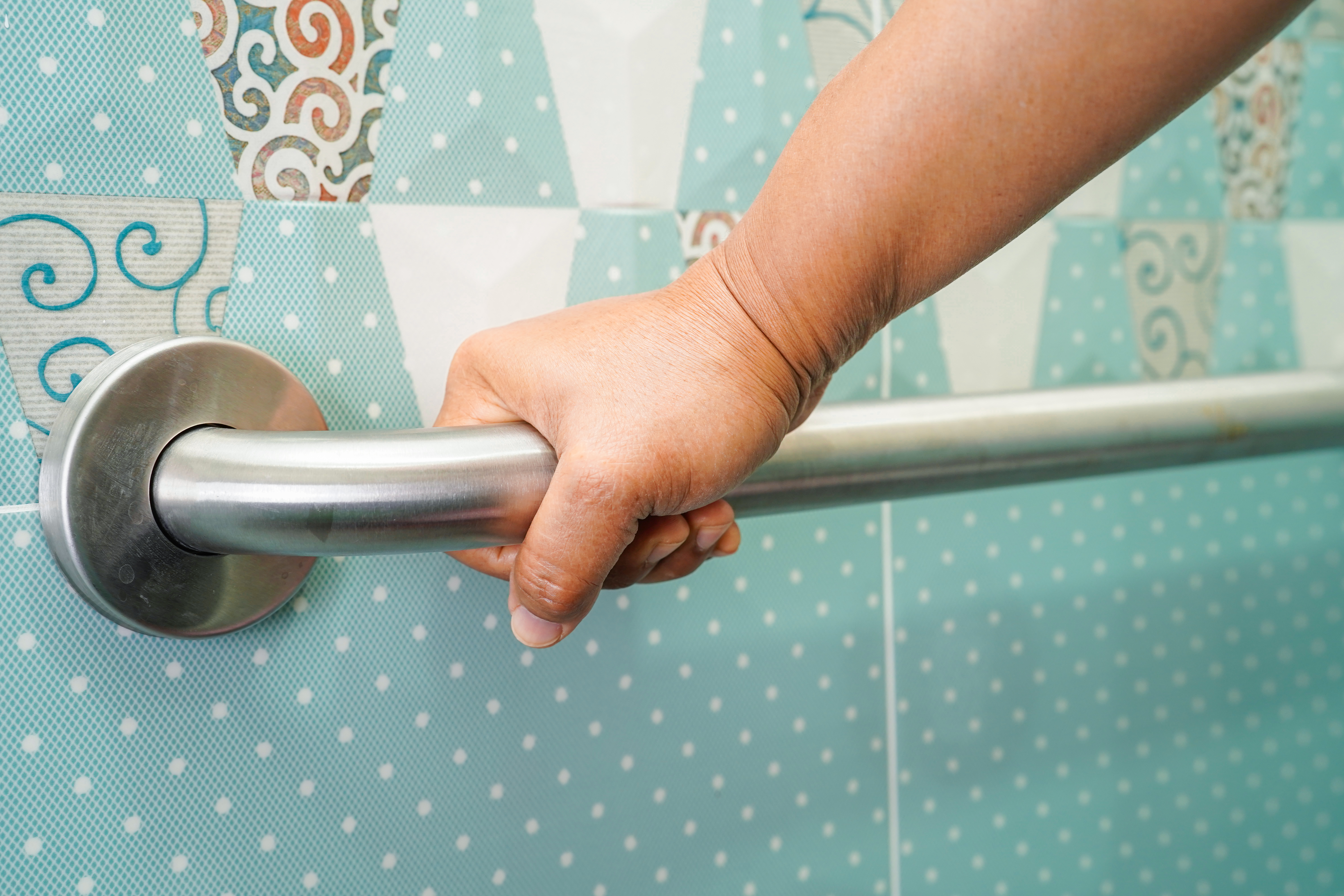
The bathroom is a key area for safety improvements. Simple changes can make a big difference in preventing falls and ensuring comfort.
Shower Chair and Grab Bars
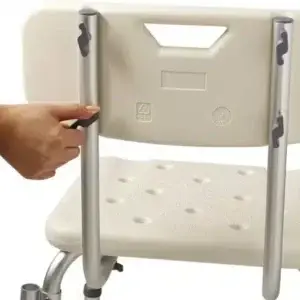
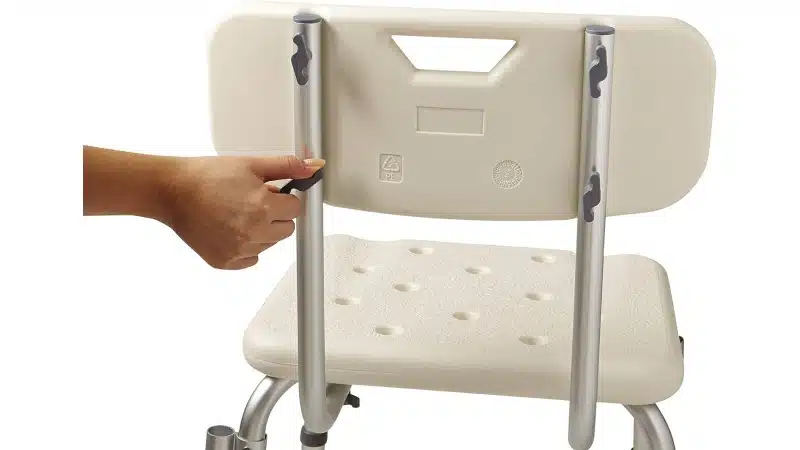
Stepping into a slippery shower can be daunting. A shower chair offers a secure spot to sit and wash without worry. Combine this with grab bars, and you’ll have stability at your fingertips. These tools let you shower with confidence, reducing the risk of falls.
Most people think grab bars are only for showers, but they can be placed near toilets and bathtubs too. Proper installation is essential, so consider having a professional set them up. This ensures they support your weight and provide true reliability. For an in-depth look at assistive equipment, explore here.
Bedside Commodes
If getting to the bathroom is a struggle, a bedside commode can be a lifesaver. It brings the bathroom to you, offering a convenient and safe solution. With a sturdy frame and adjustable height, this equipment adapts to your needs.
A tip: look for commodes with easy-clean surfaces and secure lids. This keeps maintenance simple and ensures a hygienic environment. While many overlook this option, it can make a significant difference in your daily routine.
Safe Transfers and Prevention
Moving from one spot to another can be risky. Here, we explore tools that help prevent falls and make transfers smoother.
Patient Lifts and Slings
Patient lifts and slings are essential if you have limited mobility. These tools help you move from bed to chair or commode with ease. They reduce the risk of falls and lessen strain on caregivers.
Many assume these are only for hospital use, but they are incredibly valuable at home too. With the right sling, you can enjoy safe, controlled transfers. It’s a relief to know you’re supported, and your caregivers will appreciate the reduced physical demand. Learn more about the impact of such devices here.
Bed Rails and Transfer Poles
Safety in bed is just as crucial as during transfers. Bed rails can prevent falls and give you something to grip when getting up. Transfer poles provide vertical support, helping you stand or sit with more ease.
Most people don’t realize how versatile these aids can be. They are not just about preventing falls but also about boosting confidence. Knowing you have support close by can make all the difference in your recovery journey.
As you consider these options, remember that the right mobility aids are about more than just convenience. They’re about regaining your independence and ensuring a safe, comfortable recovery at home.