Skip to content

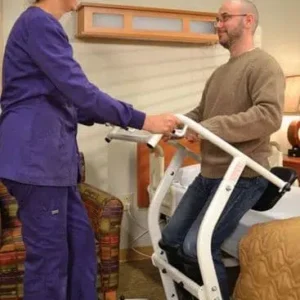
Safe patient transfers at home can feel daunting, especially when you want to protect both your loved one and yourself from injury. Many caregivers struggle with choosing the right equipment and techniques, which can increase the risk of falls and strain. This guide walks you through clear, practical steps to make transfers safer, including tips on equipment rentals and setup from TLC Home Mobility in the GTA. Let’s help you create a safer, more comfortable home today. For more details, check out our practical step-by-step guide.
Choosing the Right Equipment
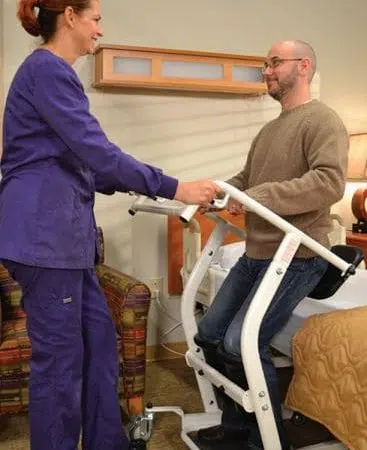
Starting with the right equipment makes all the difference in creating a safe environment for patient transfers. It sets the foundation for comfortable and secure movements.
Assessing Home Care Needs
Determining what equipment you need involves looking at the specific requirements of your loved one. Consider their mobility level, any physical limitations, and the layout of your home. It’s crucial to assess the space where transfers will occur to ensure there’s enough room for equipment. You might need a powered patient lift for heavier individuals or a simple transfer board for those with some mobility. Think about the ease of use, too. Can you manage the equipment on your own, or will you need help? Consulting with a healthcare professional can provide more personalized advice on what’s best for your situation.
Exploring Patient Lift Options
Patient lifts are essential tools for safely moving someone with limited mobility. There are different types to choose from, each offering unique benefits. A portable lift is ideal if you need flexibility in moving it between rooms. For those who prefer a more permanent setup, a ceiling lift might be the way to go. Did you know that a powered patient lift can significantly reduce strain on the caregiver’s back? It’s a worthwhile investment if you’re handling transfers frequently. The choice of lift largely depends on the patient’s weight and mobility challenges. Take time to explore these options to find what best suits your needs.
Understanding Sling Types for Lifts
Slings are a critical component of patient lifts. Choosing the right one ensures comfort and safety during transfers. There are various sling types, including full-body slings and toileting slings. A full-body sling offers support for those who need extra stability. Meanwhile, a toileting sling is designed for easy bathroom access. Consider the material as well; breathable fabrics can add comfort, especially for extended periods. It’s also important to ensure that the sling fits properly. A poorly fitted sling can be unsafe and uncomfortable. Taking the time to understand these differences can greatly enhance the transfer process.
Safe Transfer Techniques
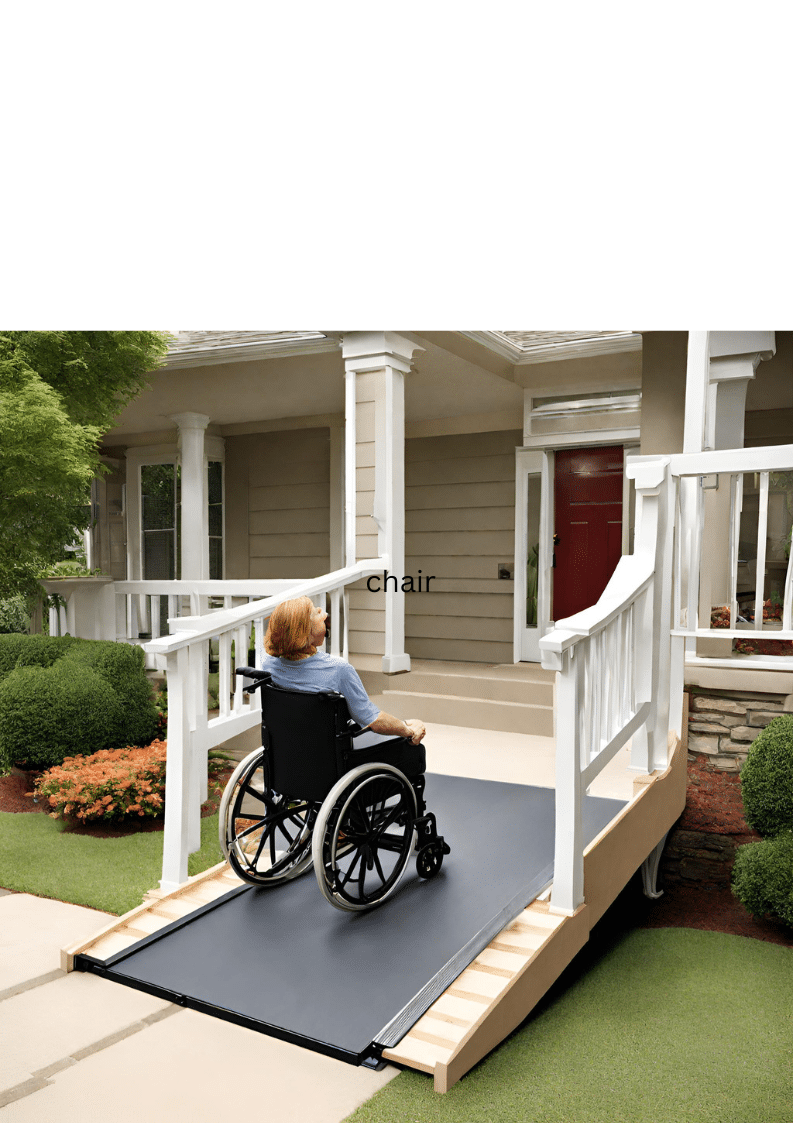
Once you have the right equipment, it’s important to learn proper techniques. Safe transfers protect both the caregiver and the patient.
Step-by-Step Bed to Chair Transfer
Transferring from bed to chair is a common task but requires careful attention to technique. Start by positioning the chair close to the bed. Ensure the chair is stable and won’t move during the transfer. Use a gait belt to provide support and reduce the risk of injury. The key is to move slowly and communicate with the patient throughout. Encourage them to assist if possible, as this can ease the process. Remember, safety is the priority. Even if it takes a bit longer, taking these steps ensures a safer transition for everyone involved.
Wheelchair to Bed Transfer Tips
Transferring from a wheelchair to bed can be challenging without proper guidance. Begin by locking the wheelchair’s brakes to prevent movement. Use a transfer board if additional support is needed. The board bridges the gap between the wheelchair and bed, making the process smoother. Gently guide the patient as they shift their weight from the wheelchair to the bed. Keep communication open to ensure they’re comfortable and aware of each step. This method minimizes strain on both you and your loved one, making the transfer safer and more efficient.
Caregiver Back Safety Practices
Protecting your back is essential when assisting with patient transfers. One important tip is to keep your feet shoulder-width apart for stability. Bend your knees, not your back, when lifting or moving someone. Consider using assistive devices like a transfer board or gait belt to distribute weight more evenly. Regularly practicing these techniques can help prevent injury. Additionally, strengthening your core muscles through exercise can provide better support during physical tasks. Remember, your well-being is just as important as the person you’re caring for. Prioritize safe practices to maintain your health.
Setting Up a Safer Home
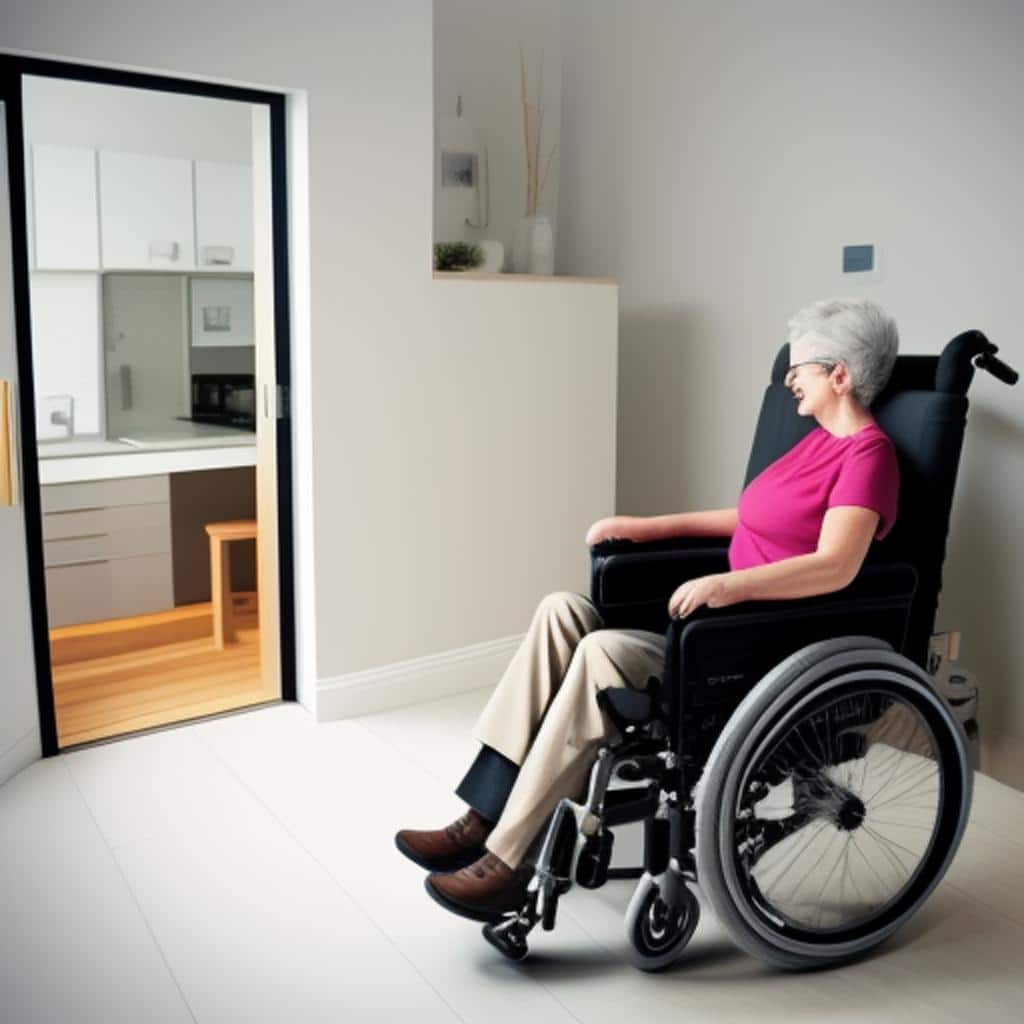
Creating a safe environment goes beyond equipment. It’s about making practical adjustments to your home that aid in daily activities.
Installing Grab Bars and Aids
Grab bars are simple yet effective tools that provide stability and support. Install them in key areas like the bathroom, where slips are common. They offer a firm grip, reducing the likelihood of falls. Consider placing them near the shower, toilet, and beside the bed. Make sure they’re securely attached to the wall for maximum support. In addition to grab bars, other aids such as rails and non-slip mats can further enhance safety. These small changes can significantly improve independence and confidence for your loved one.
Pressure Relief Air Mattress Benefits
A pressure relief air mattress is a valuable addition to prevent bedsores and enhance comfort. It works by redistributing weight, reducing pressure on vulnerable areas. For those spending extended time in bed, this can be a game-changer. Studies show that using these mattresses can cut the risk of pressure ulcers by up to 60%. They are particularly beneficial for individuals with limited mobility who are prone to skin issues. Investing in a quality air mattress not only boosts comfort but also promotes better health outcomes.
When to Seek Professional Help
While many tasks can be managed at home, some situations require professional assistance. If you’re unsure about equipment setup or transfer techniques, don’t hesitate to seek help. Professionals can offer hands-on training and advice tailored to your needs. They ensure that all equipment is used correctly, minimizing risks. Remember, it’s okay to ask for support. The goal is to provide the best care possible while keeping everyone safe. If you’re in the Greater Toronto Area, consider reaching out to TLC Home Mobility for expert guidance and fast setup services.
By following these steps and choosing the right equipment, you create a safer and more comfortable environment for your loved one. Always prioritize communication and safety during transfers to ensure the best outcomes.