Skip to content

Safer Patient Transfers at Home: A Practical, Step-by-Step Guide
Many caregivers face the challenge of moving loved ones safely without risking injury. Every transfer carries a chance of falls or strain, especially when done without the right tools or techniques. This guide breaks down safer patient transfers at home into simple steps, clear checklists, and trusted equipment recommendations to help you build confidence and protect everyone involved. For further reading, check out this helpful resource.
Essential Home Transfer Techniques
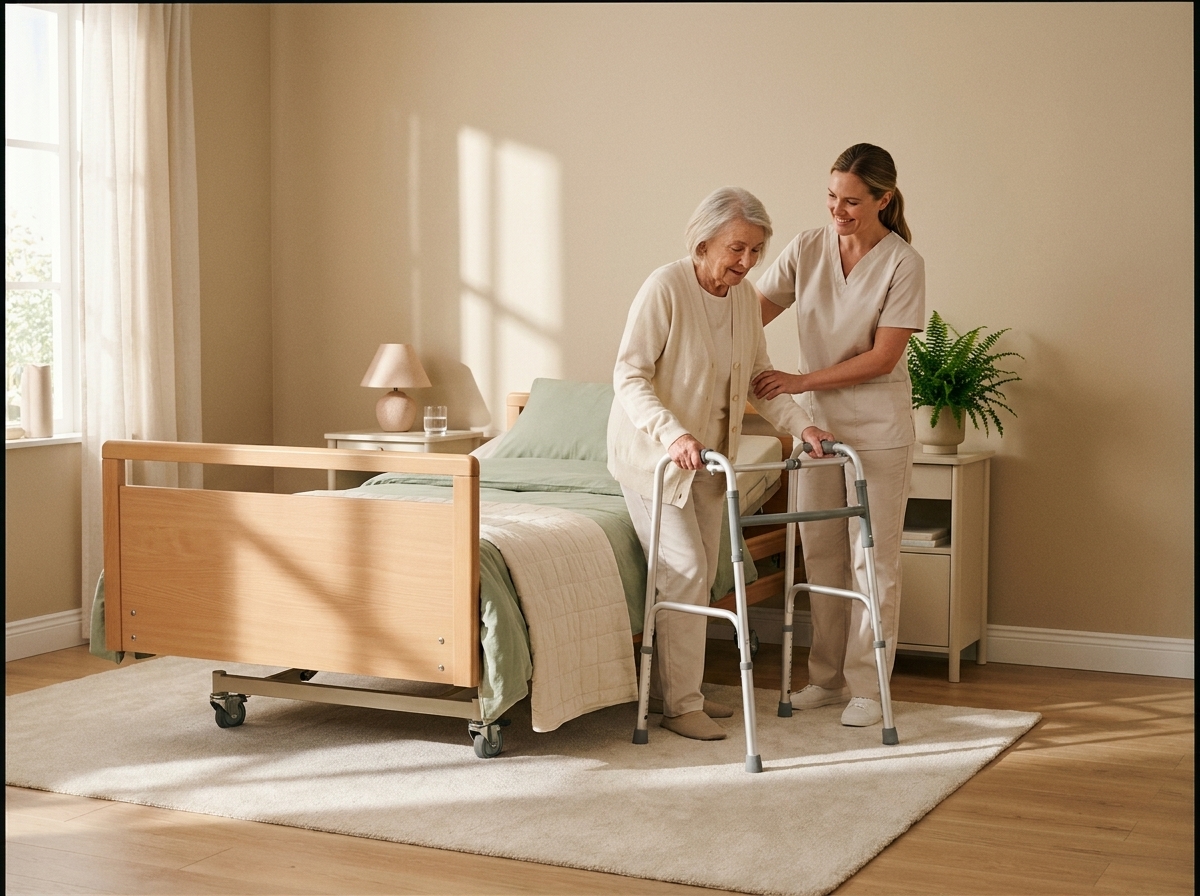
Moving someone from one place to another safely at home doesn’t have to be daunting. Let’s explore how you can use simple techniques to keep everyone safe.
Proven Low-Risk Methods
First, let’s talk about techniques that reduce risk. Start by keeping your feet shoulder-width apart for balance. Always have a clear path and make sure nothing is underfoot. Most people think brute strength is needed, but it’s all about smart positioning. Bend your knees, not your back, and let your legs do the lifting. This approach lessens strain on your muscles and reduces injury risk. For more tips, explore this comprehensive guide.
Building Confidence with Checklists
Creating a checklist can make transfers go smoothly. Before you start, review each step: Is the path clear? Is the chair or bed secure? Having a checklist means you’ll systematically check for risks, increasing your confidence. It also helps to practice with someone else observing. They can point out things you might miss. Regularly updating your checklist ensures it stays relevant and effective.
Real-World Tips for Caregivers
Sometimes, a little advice from those who have been there can make a world of difference. Consider Sarah, who used a simple rule: “If I’m unsure, I stop and reassess.” Her insight reminds us that slowing down can prevent mistakes. Remember: You’re not alone. Many caregivers face these challenges, and sharing tips can create a supportive community.
Choosing the Right Equipment
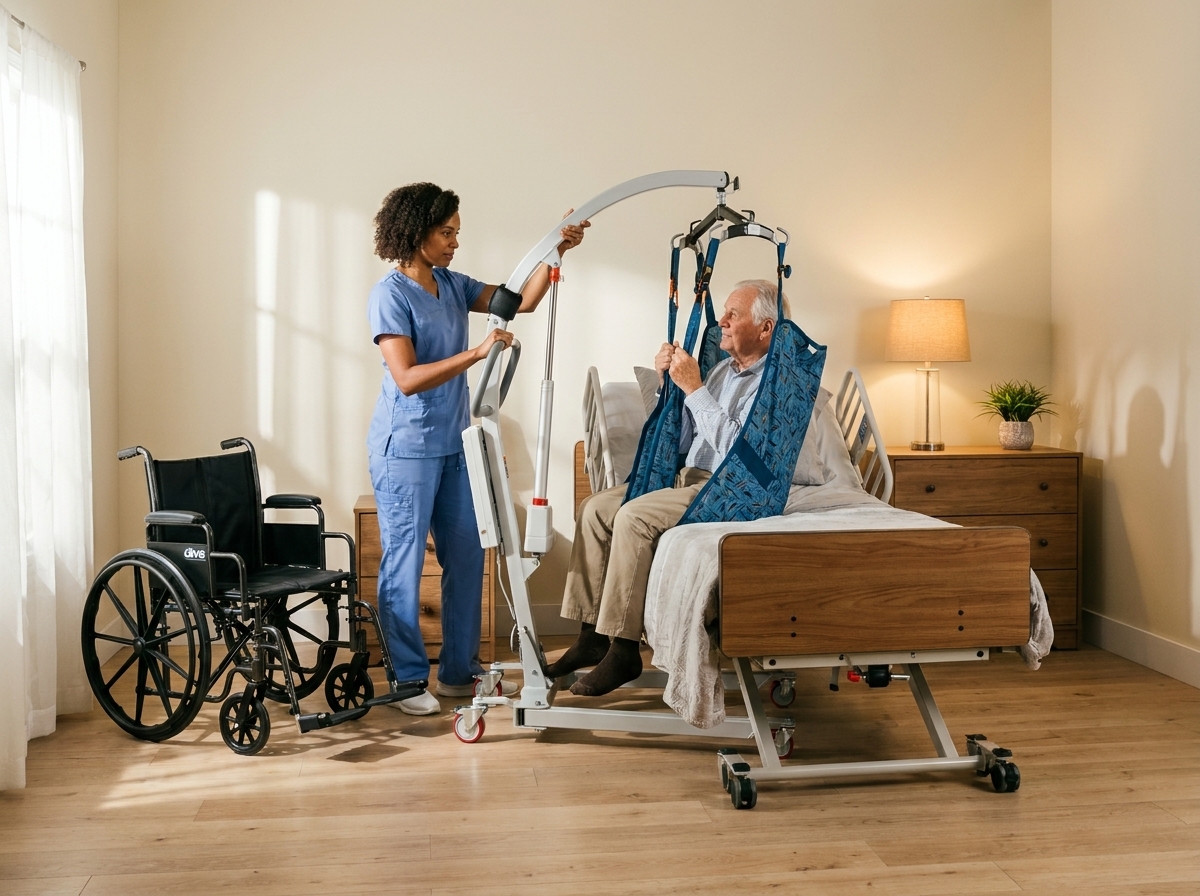
The right equipment can ease transfers significantly. It’s about finding what suits your needs and space.
Patient Lift and Sit-to-Stand Options
Patient lifts are invaluable for moving someone without causing strain. A Hoyer lift is a popular choice. It’s designed to lift a person safely without requiring much physical effort. Sit-to-stand lifts are great for those who can bear some weight but need support to rise. Consider the individual’s capabilities and home layout when choosing. Curious about the Hoyer lift? Read this informative article.
Transfer Boards and Gait Belts
Transfer boards are fantastic for moving someone from bed to wheelchair. They act as a bridge, allowing a person to slide across safely. A gait belt provides a secure grip and helps control movements, making transfers smoother. It’s about control and safety, reducing the risk of falls dramatically. When used correctly, these tools are game-changers in home care.
Hospital Bed Rental in GTA
Adjustable beds make a big difference in comfort and safety. They allow for easier positioning and transfers. Renting can be a cost-effective solution if you’re expecting short-term need. In the Greater Toronto Area, options abound for both purchase and rental. It’s important to choose a reliable provider to ensure the equipment is in excellent condition. Explore TLC Home Mobility for quality options in the GTA.
Staying Safe During Transfers
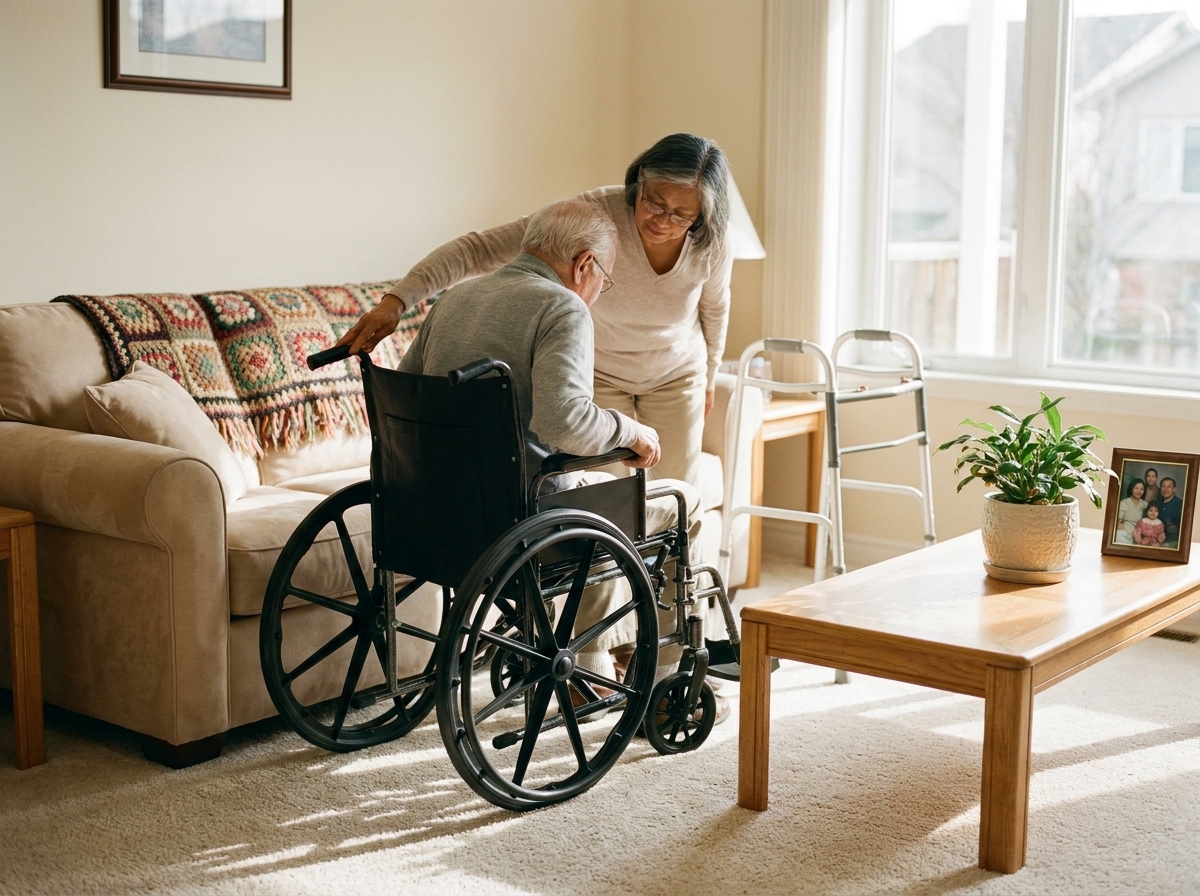
Ensuring safety during transfers is crucial for both caregivers and those being assisted. Let’s focus on how to prevent falls and ensure secure moves.
Fall Prevention at Home
Preventing falls starts with assessing the environment. Are there rugs or cords that could trip someone? Is the furniture placed conveniently? Most accidents happen from neglecting these small details. Install grab bars in key areas like the bathroom and hallways. They provide extra support where it’s needed most. Regularly reviewing the home layout can prevent potential hazards.
Safe Transfers for Seniors
When transferring seniors, communication is key. Explain each step before you start, so they know what to expect. Encourage them to help as much as they can; it boosts their confidence. Patience is vital: quick movements can be disorienting. Using a smooth, calm approach makes all the difference. If you’re looking for a deeper understanding, check out this guide.
Bathroom Transfer Safety
Bathrooms are common places for slips. Non-slip mats are essential. Ensure the toilet seat is at the right height, and consider raised toilet seats for added ease. When helping someone in and out of the bath or shower, use a shower chair or bench. They provide stability and reduce the risk of falls. Safety in these high-risk areas cannot be overstated, as accidents here are more common than you might think. For further insights into safe bathroom practices, read this detailed post.
By adopting these techniques and using the right equipment, you simplify the process and make it safer for everyone involved. Remember, preparation and knowledge are your best tools in ensuring comfort and safety at home.