Skip to content

Choosing the right hospital bed for home recovery isn’t just a purchase—it’s a key step toward safety and comfort for your loved one. With so many options like adjustable hospital beds, pressure relief mattresses, and caregiver safety features, making the best choice can feel overwhelming. This guide breaks down what matters most—from bed types to budget—while showing how TLC Home Mobility supports families across the GTA with fast delivery and expert advice.
Key Considerations for a Safe Home Recovery
Choosing the right hospital bed is crucial for ensuring safety and comfort during home recovery. Let’s explore key factors that should guide your decision.
Safety Features for Home Hospital Beds
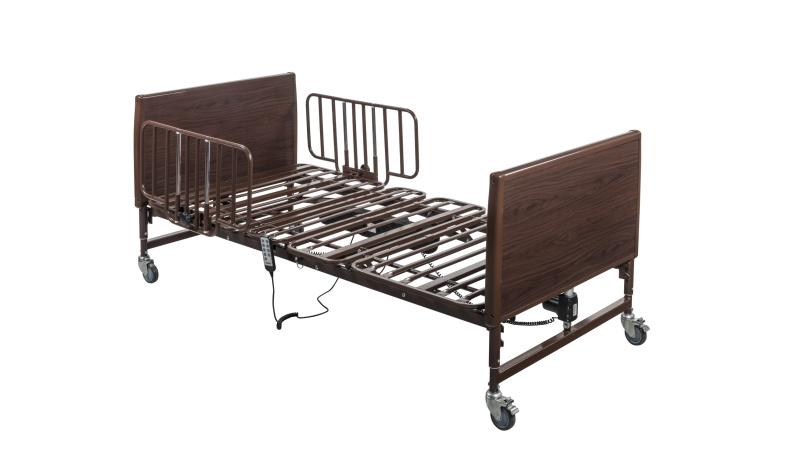
Safety is a top priority when selecting a bed. Look for beds with sturdy rails, which help prevent falls and assist in getting in and out safely. Full-length rails are ideal for those with cognitive impairments, providing a secure barrier against accidental exits. Half-length rails, on the other hand, offer flexibility for those who want some independence while moving in bed.
Additionally, consider beds that have a locking mechanism to secure the bed in place. This feature is particularly useful if the bed is on wheels, ensuring stability during transfers or adjustments. Non-slip mattresses also play a significant role in maintaining safety by reducing unwanted movement during sleep. For more insights on choosing the right bed for safety, you can explore this detailed guide.
Comfort and Support in Bed Selection
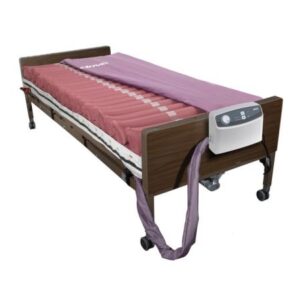
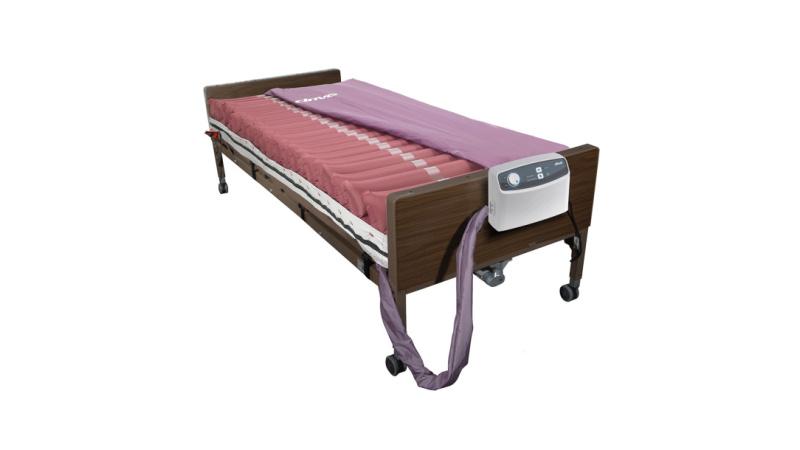
Comfort is not a luxury; it’s a necessity for recovery. Hospital beds that allow for head and leg elevation can significantly enhance comfort, as they allow users to adjust their position easily. Patients with pressure sores or those at risk can benefit from pressure relief mattresses that distribute weight evenly and reduce friction. These mattresses can greatly improve sleep quality and provide essential support for recovery.
Additionally, an alternating pressure mattress can offer dynamic support by changing pressure points regularly, thereby reducing the risk of bed sores. Keep in mind that a comfortable bed also requires a good mattress protector to keep it clean and extend its life. You can read more about balancing comfort and support in bed selection here.
Caregiver Ease and Accessibility
A bed should not only support the patient but also aid the caregiver. Consider beds that offer easy access for caregivers to assist with daily activities. Beds with adjustable heights are particularly beneficial, as they allow for easier transfers and reduce strain on caregivers’ backs.
Electric beds can simplify adjustments significantly, offering various settings at the push of a button. This feature is invaluable for caregivers who need to frequently change the patient’s position or access different parts of the body for care. Most people think manual beds are sufficient, but the ease of an electric bed can make a big difference in daily caregiving routines. For more on caregiver-friendly features, this article offers valuable tips.
Choosing the Right Bed Type
Selecting the right bed type involves understanding the specific needs of the individual and the environment where the bed will be placed. Let’s dig into the options.
Manual vs Electric Hospital Beds
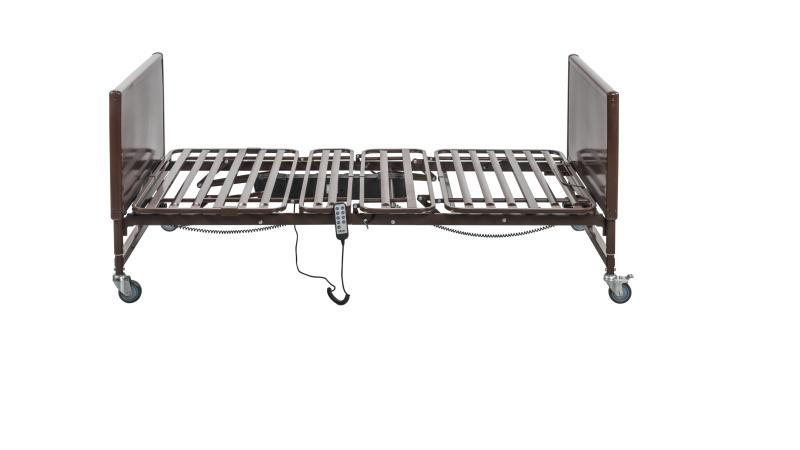
Manual beds are generally more affordable, but they require physical effort to adjust. They are a good choice if budget constraints are a concern and if the patient or caregiver can handle the manual adjustments. On the other hand, electric beds offer convenience and precision with remote controls, making it easier to find the perfect position for comfort and care.
Electric beds are particularly beneficial for elderly patients or those with limited mobility, as they reduce the need for physical exertion. They are also ideal when frequent position changes are necessary, offering quick and effortless adjustments. For a comprehensive comparison of manual and electric beds, you might find this resource helpful.
Low Beds for Fall Risk Management
Low beds are designed to minimize injury risks from falls. They can be adjusted close to the floor, reducing the distance one might fall if they accidentally roll out of bed. This feature is crucial for patients with a high risk of falling, such as those with balance issues or cognitive impairments.
Incorporating a low bed with side rails combines safety with accessibility, allowing patients to get in and out with minimal risk. These beds are particularly beneficial in home settings where space might be limited. By choosing a low bed, caregivers can ensure a safer environment for the patient.
Bariatric Options for Enhanced Safety
For patients who require a more robust solution, bariatric beds offer enhanced stability and support. These beds are designed to accommodate higher weight capacities and provide a wider sleeping surface for comfort. Bariatric beds are essential for ensuring safety and comfort for larger individuals, reducing strain on the bed frame and mattress.
Choosing a bariatric bed not only meets the physical needs of the patient but also provides peace of mind for caregivers, knowing that the bed is designed for durability and strength. Consider discussing bariatric options with suppliers to find the best fit for your needs.
Renting vs Buying a Hospital Bed
Deciding between renting and buying a hospital bed depends on the recovery duration and budget considerations. Let’s explore these options further.
Budget-Friendly Pre-Owned Options
Buying a pre-owned bed can be a cost-effective solution for those who need a bed for an extended period. Pre-owned beds offer significant savings, and many suppliers provide warranties to ensure quality and reliability. TLC Home Mobility offers a range of pre-owned beds, providing excellent value without compromising on quality. For those seeking affordability without sacrificing comfort, pre-owned options are worth considering.
Benefits of Short-Term Rentals
Renting a hospital bed is ideal for short-term recovery needs. It provides flexibility and eliminates the need for a long-term commitment. Rentals are particularly useful for post-surgery recovery or when testing different bed types before making a long-term decision. With rental options, you can access top-quality beds and have them delivered and set up quickly.
Additionally, renting allows you to upgrade or change the bed as needs evolve, ensuring that the patient always has the best solution for their comfort and care.
Long-Term Ownership Considerations
If you anticipate needing the bed for an extended period, purchasing might be a more economical choice. Owning a bed gives you the freedom to customize it to suit specific needs, and it can be more cost-effective in the long run. Consider factors such as space, mobility features, and ongoing maintenance when deciding on ownership.
Long-term ownership also offers the peace of mind that comes with having a permanent solution in place, reducing the need for frequent changes and adjustments. By investing in a quality bed, you ensure a comfortable and supportive recovery environment for your loved one.
In conclusion, selecting the right hospital bed involves assessing the patient’s needs, budget, and space. Whether you choose to rent or buy, prioritize safety and comfort. With reliable options like those from TLC Home Mobility, you can ensure a smooth and secure recovery process.