Skip to content

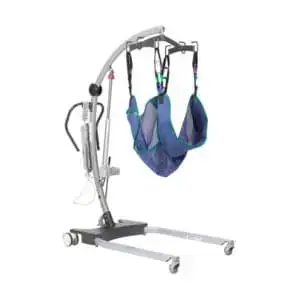
Step-by-Step Patient Lift Safety: Reduce Caregiver Strain and Prevent Falls at Home
Lifting a loved one safely at home can feel overwhelming, especially when caregiver strain and fall risks are high. Without the right steps, injuries can happen for both you and the person you care for. This guide breaks down safe patient lift use into clear, easy actions that build your confidence and protect everyone involved. Read on to learn how to make safe patient transfers part of your daily routine with TLC Home Mobility’s trusted support. For more information, visit this guide.
Understanding Patient Lift Safety
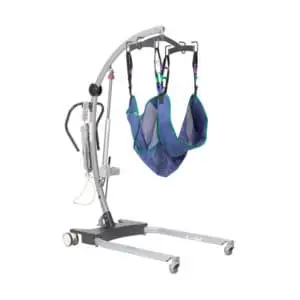
When it comes to lifting someone safely at home, knowing the right steps can make all the difference. Using patient lifts properly prevents injuries and offers peace of mind.
Importance of Safe Patient Transfers
Safe patient transfers are crucial for maintaining both independence and safety. A patient lift allows for easy movement from bed to wheelchair or other areas. Many caregivers face challenges like back strain, but using a lift can change that. It empowers you to assist your loved one without risking injury. The longer you wait to learn about safe transfers, the more you risk unnecessary strain. For more tips, check out this detailed guide.
Reducing Caregiver Strain
Helping someone move can take a toll on your body. A Hoyer lift or similar device can ease that burden. By using these tools, you protect yourself from back pain and fatigue. Imagine lifting a loved one with ease and confidence. Most people think they need to lift manually, but a patient lift offers a safer way. You deserve tools that make caring easier and safer for everyone involved.
Preventing Falls at Home
Falls are a major concern in home care settings. Using a sit-to-stand lift reduces this risk significantly. With the right equipment, you can feel assured your loved one will move safely. Falls can lead to serious injury, but you can prevent them with proper planning and equipment. Consider implementing a lift to transform your caregiving routine.
Choosing the Right Patient Lift
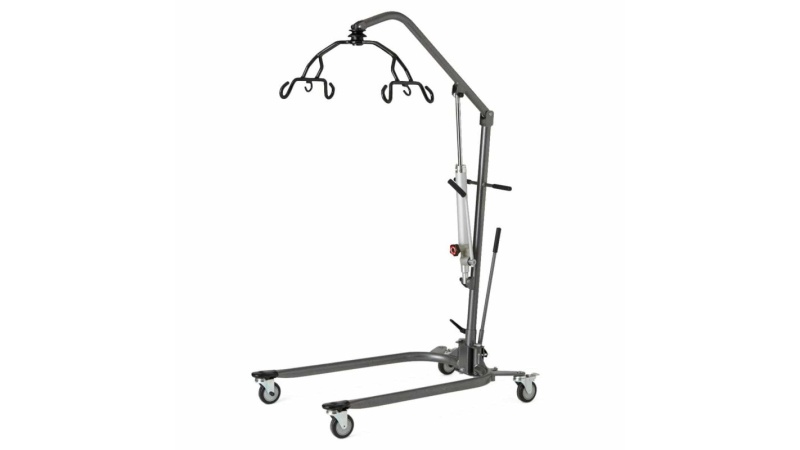
Now that we understand the importance of safety, let’s explore the different types of lifts available and how to select the right one.
Types of Lifts: Electric, Hydraulic, and More
Choosing between an electric patient lift or a hydraulic lift depends on your specific needs. Electric lifts offer smooth, easy operation, ideal for frequent use. Hydraulic lifts provide a budget-friendly option with manual control. Don’t forget ceiling lifts and bariatric lifts for specific needs. Each type has its advantages, so it’s essential to match the lift to your home’s requirements and your loved one’s mobility level. Visit Continuum Care for more insights.
Selecting the Proper Transfer Sling
A transfer sling is essential for safe lifting. Different slings suit different needs. Full-body slings support the whole body, while sit-to-stand slings are great for those who can bear some weight. Choosing the right sling ensures comfort and safety for your loved one. Remember, the wrong sling can add discomfort, so take your time to make the right choice. For an in-depth look, refer to this article.
Sizing and Sling Fitting Tips
Proper sling sizing is crucial for safety. Measure your loved one to find the right fit. A well-fitted sling prevents slips and discomfort. Ensuring a snug fit supports the body fully during transfers. This step is often overlooked, but it is vital for a safe experience. When in doubt, consult a professional for guidance on sling fitting.
Implementing Safe Lift Practices
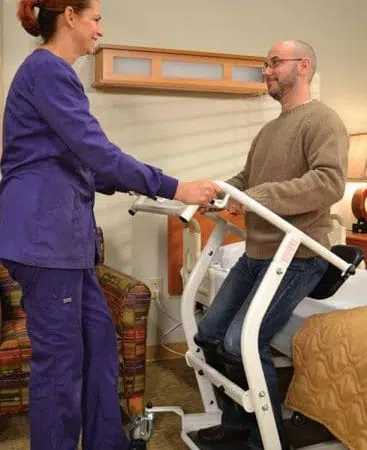
Equipped with the right lift and sling, it’s time to learn the best practices for safe and effective use.
Step-by-Step Patient Lift Guide
Start by positioning the lift correctly. 1. Place the sling under the person: Ensure it’s centered and flat. 2. Attach the sling to the lift: Follow the manufacturer’s guidelines. 3. Use the controls to lift the person: Move slowly and steadily. 4. Guide the person to their new location: Ensure they are comfortable before detaching. Practicing these steps regularly builds confidence and safety in your routine.
Caregiver Safety Tips and Tricks
Your safety is as important as your loved one’s. Use proper body mechanics: keep your back straight and lift with your legs. Take regular breaks to avoid fatigue. Educate yourself on the lift’s features and practice using it. A well-rested caregiver is a more effective caregiver. Read up on safe lifting techniques here.
Lift Maintenance Checklist
Regular maintenance keeps your lift in top condition. Check the lift for any signs of wear or damage. Ensure the battery is fully charged if using an electric lift. Test all functions regularly, and clean the lift and sling as per the manual. A simple checklist can prevent future issues, ensuring your lift is always ready when needed.
In summary, mastering patient lift use enhances both safety and confidence for caregivers and their loved ones. By choosing the right equipment and following best practices, you can provide care that is safe and effective. Consider incorporating these insights into your daily routine, fostering a safer home environment for everyone.