Skip to content


Patient Lifts Made Simple: A Step-by-Step Safety Guide for Caregivers and Families
Operating a patient lift without clear guidance can lead to frustration and, worse, injuries for both you and your loved one. Many caregivers face this challenge daily, unsure of the safest steps to take during transfers. This guide breaks down patient lift safety into simple, practical steps you can trust, helping you feel confident and secure every time. Let’s walk through how to use a patient lift with care and ease. For additional resources, you can refer to this step-by-step lifting guide.
Understanding Patient Lifts

Patient lifts are essential tools in caregiving, designed to make moving individuals safer and easier. They provide support for those who need help transferring from one place to another, ensuring both comfort and safety.
Types of Patient Lifts
Understanding the different kinds of patient lifts is crucial. Manual lifts rely on physical effort to operate, often using hydraulic systems. They’re ideal for situations where power sources aren’t available. On the other hand, electric lifts use battery power, allowing smoother and more effortless operation with the push of a button.
Your choice might depend on the lift’s intended use and the user’s specific needs. For example, if frequent transfers are anticipated, an electric lift could save time and energy. Meanwhile, a manual lift might be sufficient for occasional use or in areas where electrical outlets are scarce. Additionally, some lifts are portable, offering flexibility for travel, while others are stationary, providing stability for permanent use.
Benefits of Using Patient Lifts
Using a patient lift reduces the strain on caregivers and lowers the risk of injury for both parties. One of the top benefits is safety: lifts prevent falls and provide a secure way to move individuals who may be unsteady on their feet.
Another advantage is ease of use. With proper training, most people can operate a lift efficiently. Furthermore, lifts promote independence, allowing users to transition from bed to chair, for example, with minimal assistance. This fosters a sense of dignity and control, which is especially valued in home care settings. Ultimately, patient lifts enhance the quality of life for both users and caregivers by simplifying daily routines and ensuring a safe environment.
Step-by-Step Guide to Safe Operation
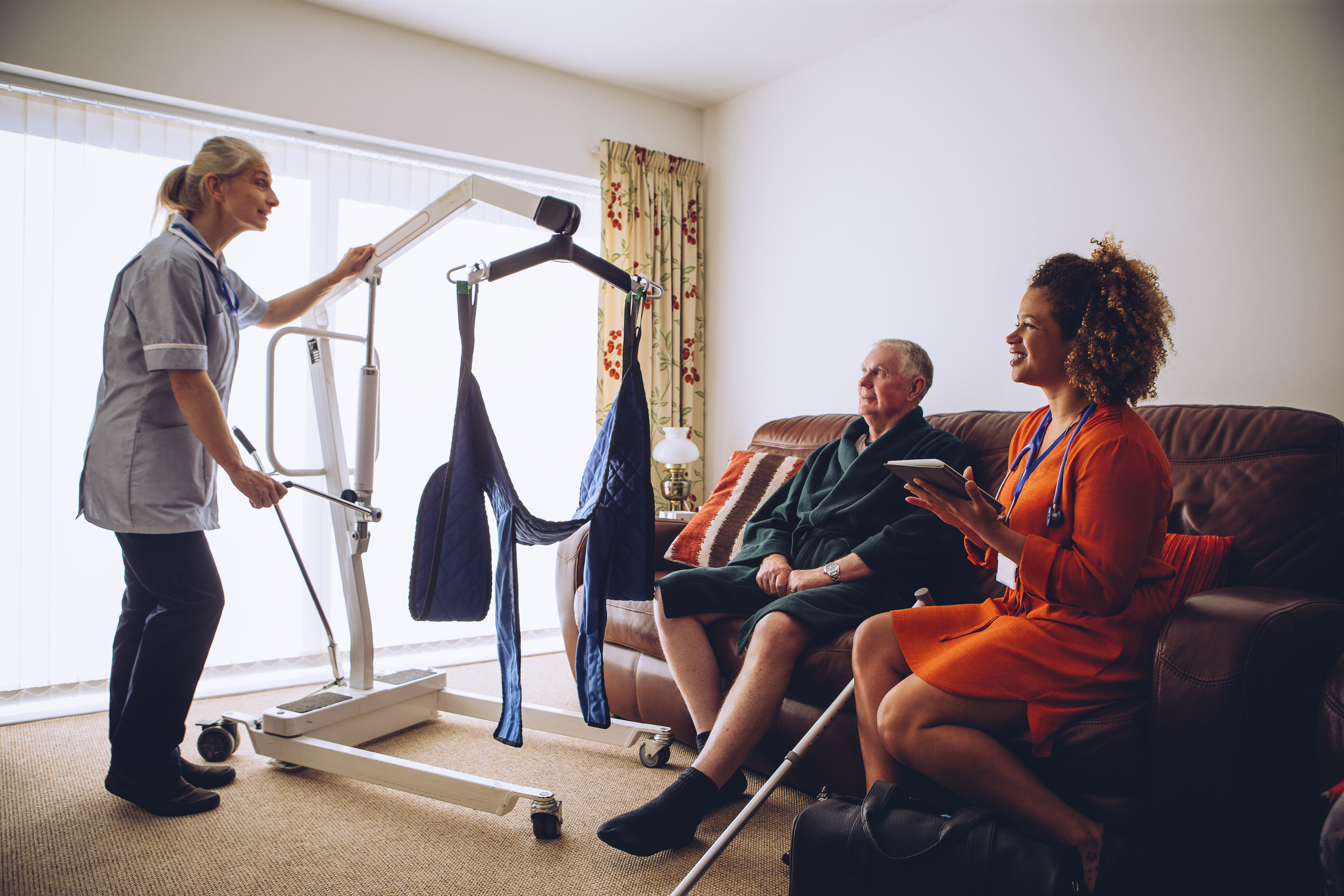
Now that you know what patient lifts can do, let’s explore how to use them safely. This guide will walk you through each step to ensure you can perform transfers with confidence and care.
Preparing for a Transfer
Preparation is the foundation of a safe transfer. Start by ensuring the area is clear of obstacles. This prevents tripping hazards and ensures the lift has enough space to operate. Check the lift itself to confirm it’s in good working order. Look for any signs of wear or damage, as these could compromise safety.
Next, consider the individual’s comfort. Communicate with them about the steps you’re taking. This not only keeps them informed but also eases anxiety. If using a sling, check its condition and verify that it’s the correct size for the person. Proper fit is crucial for both comfort and safety, as an ill-fitting sling can lead to discomfort or even accidents during the transfer.
Using a Hoyer Lift Safely
Using a Hoyer lift doesn’t have to be daunting. Start by placing the sling under the person. Make sure it’s centered and secure. Attach the sling to the lift, ensuring all hooks and loops are properly fastened. For detailed guidance, refer to this Hoyer Lift guide.
Once everything is in place, begin lifting. Use the control to raise the person slowly, always keeping an eye on their comfort. Move them gently to their destination, using smooth, controlled movements. Finally, lower them into the chair or bed, ensuring a gentle landing. This method not only ensures safety but also promotes dignity and comfort for the person in your care.
Ensuring Proper Sling Use
The sling is a vital component of any lift system. Begin by selecting the right type and size. A poorly fitted sling can cause discomfort or even increase the risk of falls, so it’s crucial to get this right. Always inspect the sling for wear and tear before use.
When placing the sling, make sure it’s positioned correctly under the person. The fabric should be flat, not bunched, to provide even support. Attach the sling to the lift securely, checking each point of connection. If you need additional guidance, this patient lifting guide offers tips on proper techniques. With these precautions, you’ll ensure every transfer is safe and effective.
Choosing the Right Equipment

Selecting the right lift involves considering various factors, such as the user’s needs and the environment. Each option offers unique features suited to different situations.
Electric vs Manual Lifts
Electric lifts provide ease of operation. They require less physical effort, making them ideal for frequent use. In contrast, manual lifts are powered by the caregiver’s strength. They’re often more affordable and don’t rely on electricity, making them versatile in any setting.
Consider the user’s needs. If frequent transfers are required, an electric lift might be more practical. However, for occasional use or in areas without power, a manual lift may suffice. Both options have their merits, so choose based on the specific circumstances you face.
Ceiling Lift vs Floor Lift
Ceiling lifts are installed in a fixed location, offering a permanent solution for home or facility use. They’re ideal for spaces where floor area is limited. Conversely, floor lifts are mobile, providing flexibility and ease of use across various locations.
When deciding between the two, think about the environment. If you need a solution for different rooms, a floor lift might be best. However, if space is tight or you require a more permanent solution, a ceiling lift could be the answer. This guide on lifting techniques provides further insights on evaluating your space.
Selecting a Bariatric Patient Lift
For individuals with higher weight requirements, a bariatric lift is essential. These lifts are designed to accommodate greater loads, ensuring safety and comfort. When choosing one, consider the weight capacity and the space available for use.
It’s also important to ensure the lift is compatible with other equipment, like wheelchairs or beds. Proper selection enhances both safety and confidence during transfers. With the right lift, you can provide effective care, supporting independence and dignity for all users.
Conclusion
Choosing and using the right patient lift can transform caregiving experiences. By understanding different types, ensuring safe operation, and selecting the appropriate equipment, you can create a safer environment for everyone involved. Remember, the key is preparation and communication, ensuring both the caregiver and the individual feel confident and secure with each transfer.