Skip to content


Patient Lift Safety 101: Protecting Patients and Caregivers at Home
Patient lifts can be a real lifesaver—but only when used the right way. Mistakes during transfers often lead to injuries for both caregivers and patients. In this guide, you’ll find clear steps on patient lift safety to protect everyone involved. From choosing the right sling to avoiding common errors, we’ll help you gain confidence and keep transfers safe at home. For more detailed information, you can refer to resources like this safety guide.
Understanding Patient Lifts

Patient lifts are essential tools that help maintain safety during transfers. They protect both patients and caregivers from potential injuries. Let’s explore the different types and how to choose the right sling for effective use.
Types of Patient Lifts
Patient lifts come in various styles, each suited for specific needs. Hydraulic lifts are common in homes and offer manual operation. They are budget-friendly and reliable. Electric lifts, on the other hand, provide ease with a push of a button, perfect for frequent use. For those with space concerns, ceiling lifts offer a permanent solution that doesn’t clutter. Sit-to-stand lifts assist in transitioning from sitting to standing, ideal for those with some mobility. Choosing the right type depends on the user’s mobility level and home layout. You can find a comprehensive Hoyer lift guide here.
Choosing the Right Sling
Selecting the correct sling is crucial for both comfort and safety. Slings come in different shapes and materials, catering to various needs. Full-body slings provide maximum support, often used for those needing complete assistance. U-slings are versatile, suitable for transfers from bed to chair. For those who require minimal support, toileting slings allow easy access for hygiene tasks. Ensure the sling matches the patient’s weight and size for effective use. Always check the manufacturer’s sizing guide, and remember, using the wrong sling can lead to accidents.
Safe Transfer Techniques

Once you have the right equipment, mastering the transfer process is the next step. It’s vital to follow a checklist and avoid common mistakes to ensure smooth operations.
Pre-Transfer Checklist
Preparation is key to safe transfers. Here’s a simple checklist to guide you:
-
Inspect Equipment: Make sure the lift and sling are in good condition.
-
Clear the Area: Remove any obstacles that could cause tripping.
-
Communicate: Ensure the patient understands the process.
-
Position the Lift: Align it properly with the patient for an easy transfer.
This checklist not only boosts confidence but also minimizes risks. Most people think skipping a step is okay, but thorough preparation is crucial.
Step-by-Step Transfer Guide
Following a structured approach makes transfers straightforward:
-
Secure the Sling: Ensure it is correctly positioned around the patient.
-
Attach the Sling to Lift: Hook the sling securely to the lift’s arms.
-
Lift Slowly: Use steady movements to raise the patient.
-
Move to Target Location: Guide the lift smoothly to avoid jerks.
-
Lower Patient Gently: Ensure they are comfortably seated or lying down.
Practicing these steps regularly can make transfers feel second nature. For more tips, check out this lifting technique guide.
Common Mistakes to Avoid
Avoiding errors is just as important as knowing the steps. Here are common pitfalls:
-
Wrong Sling Size: Using an incorrect sling size can lead to falls.
-
Improper Alignment: Misalignment can cause discomfort or injury.
-
Ignoring Weight Limits: Exceeding capacity risks equipment failure.
By being aware of these mistakes, you safeguard both the patient and yourself.
Maintenance and Professional Support
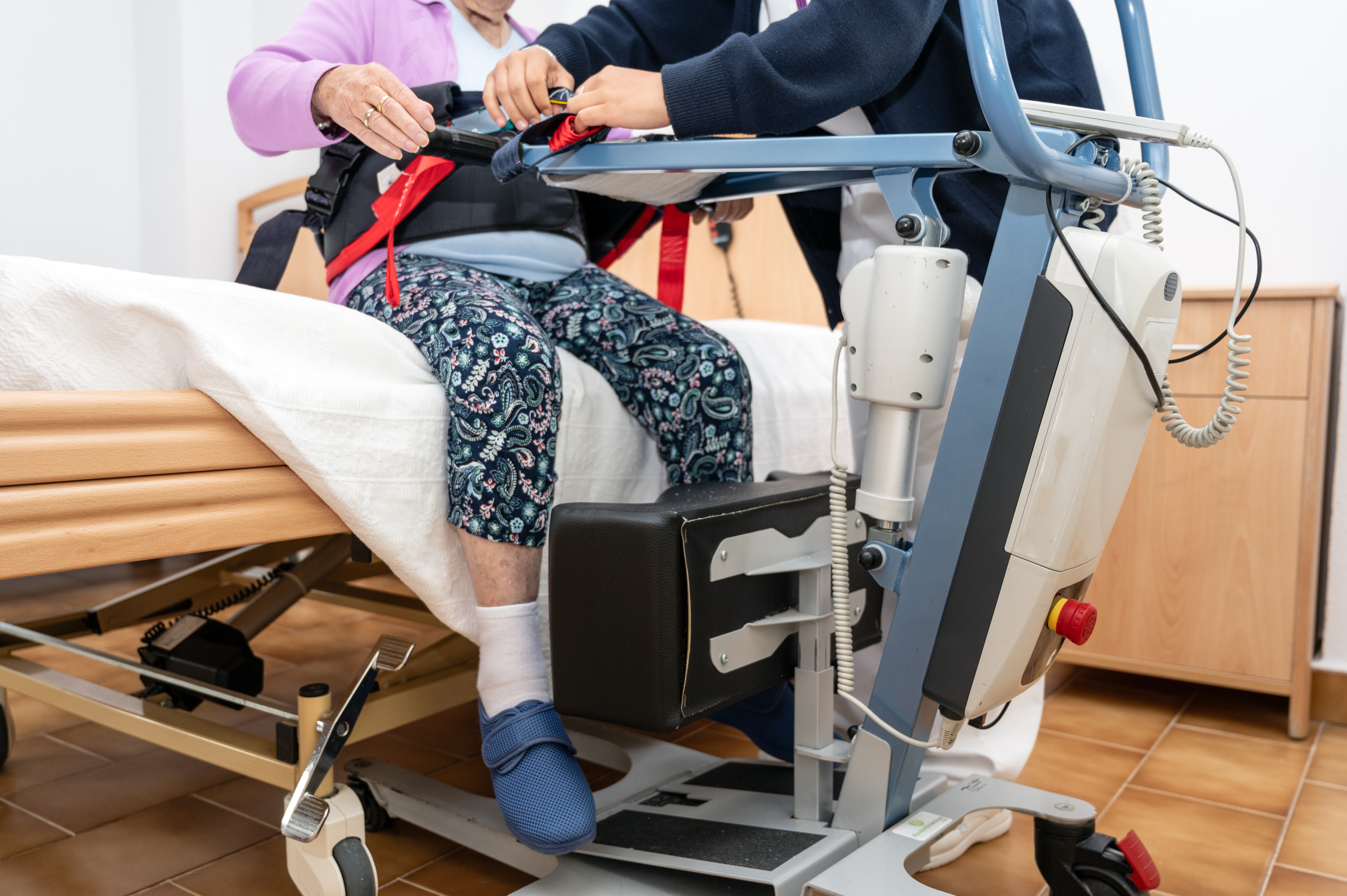
A well-maintained lift not only functions better but also lasts longer. Understanding when to call for support can prevent issues before they arise.
Lift Maintenance Checklist
Regular checks keep your lift in top condition. Here’s what to do:
-
Inspect for Wear and Tear: Look for worn straps or frayed edges.
-
Check Battery Life: For electric lifts, ensure the battery is fully charged.
-
Clean Regularly: Wipe down surfaces to prevent buildup.
Routine maintenance ensures reliability and prolongs the equipment’s life. Check out this comprehensive safety guide for more insights.
When to Call a Professional
Knowing when to seek professional help is essential. If you notice any unusual sounds, difficulty in movement, or if the lift fails to operate smoothly, it’s time to call in an expert. Professionals can identify and fix problems that may not be visible to the untrained eye. The longer you wait, the greater the risk of potential harm. Additionally, routine professional inspections ensure your lift meets safety standards, providing peace of mind.
By equipping yourself with knowledge and resources, you create a safer environment for everyone involved. Whether you’re a caregiver or a user, understanding how to safely use a patient lift is invaluable. Always prioritize safety and seek guidance when needed. For more detailed tips on safe usage, visit this blog.