Skip to content


Navigating Your Mobility Needs: Rent vs. Purchase Options Explained
Choosing between mobility equipment rental and purchase can feel overwhelming when safety and comfort matter most. Many families and caregivers face this decision without clear guidance, unsure which option fits their needs and budget. Let’s break down the key differences and benefits, so you can feel confident about the right choice for hospital beds, wheelchairs, patient lifts, and other assistive devices. Your path to safer, easier living starts here with TLC Home Mobility. For more insights, check out this article on how to choose between renting and buying medical equipment.
Understanding Mobility Equipment Options

When it comes to mobility equipment, understanding your choices is key. Let’s explore the differences between renting and owning so you can decide what’s best for you.
Rental vs. Purchase: Key Differences
Renting mobility equipment gives you flexibility. It’s perfect if you need equipment for a short time, like recovering from surgery or trying out different options. With rentals, you avoid the hassle of maintenance since that’s handled for you. Companies usually offer a range of items such as hospital beds and wheelchairs, allowing you to match your needs easily.
On the other hand, purchasing means investing in equipment that’s yours to keep. This is ideal for long-term needs, offering the comfort of having your own items without facing recurring costs. Plus, owning equipment can be more convenient if you frequently need it, as there’s no need to return or renew contracts. So, whether you rent or buy, your decision should align with how long you’ll need the equipment and your financial considerations. For more detailed insights, you might find this guide on renting vs. buying home medical equipment helpful.
Benefits of Renting Mobility Equipment
Renting mobility equipment can be a great solution for many. It offers cost efficiency, especially when you only need equipment for a limited time. For example, if you’re recovering from surgery, renting a hospital bed can save you from a hefty purchase. Rentals also come with flexibility, allowing you to return or switch items as your needs change.
Another perk is maintenance. Rental companies ensure the equipment is in top condition, handling repairs and replacements. This means you won’t have to worry about unexpected costs or downtime. Plus, renting can let you try different models before deciding if you want to buy one. It’s like test-driving a car but for your health needs. Renting can provide a practical, risk-free approach to finding the perfect fit for your mobility needs.
Advantages of Purchasing Mobility Equipment
Owning mobility equipment brings peace of mind. You have full control over your items, which can be especially comforting if you need long-term support. Once you purchase a piece of equipment, it’s yours to use whenever needed without worrying about return dates or rental fees. This is particularly beneficial for items like wheelchairs, where personal adjustments can enhance comfort.
Purchasing can also be more cost-effective in the long run. While the upfront cost is higher, you avoid ongoing rental payments. Owning equipment also means you can choose exactly what you want, ensuring it meets your specific needs. Plus, if multiple family members need the equipment, owning it can simplify logistics. It’s an investment in convenience and continual access to essential support tools.
Making the Right Choice

Deciding between renting and purchasing isn’t always easy. Consider these factors to ensure you’re making the right choice for your situation.
Factors to Consider in Your Decision
When choosing between renting and buying, think about how long you’ll need the equipment. If it’s just for recovery, renting might be best. But if you’ll use it daily, owning could be more convenient. Assess your budget, as well. Renting has lower upfront costs, but buying might save money over time.
Also, consider the type of equipment. Some items, like patient lifts, might be better suited for ownership due to frequent use. If your needs might change, renting offers flexibility. Ultimately, your decision should be guided by how you plan to use the equipment and what provides the best value for your needs.
Budgeting for Mobility Solutions
Budgeting is crucial when deciding on mobility equipment. Start by evaluating your financial situation and how much you’re willing to spend upfront versus over time. Rentals are typically cheaper initially, making them an attractive option for short-term needs. However, remember that rental costs can add up over time.
Purchasing involves a higher initial payment but offers long-term savings. Consider any insurance or aid programs that might cover part of the cost. It’s important to weigh these financial aspects alongside your personal needs to ensure you’re getting the best possible solution for your budget. For more financial perspectives, this article on weighing the financial case for medical equipment rental can be insightful.
Customer Testimonials and Experiences
Hearing from others can provide valuable insights. Many have found success with both renting and owning equipment. For instance, one customer shared how renting a hospital bed helped them during recovery, appreciating the hassle-free setup and maintenance. Another found purchasing a wheelchair more beneficial for everyday use, enjoying the freedom of customization and constant availability.
These experiences highlight the importance of choosing an option that aligns with your lifestyle. At TLC Home Mobility, we pride ourselves on offering solutions that meet diverse needs, ensuring comfort and safety. Our customers often express relief and gratitude for the support our services provide during challenging times. Listen to their stories, and let them guide your decision.
Exploring Our Product Range
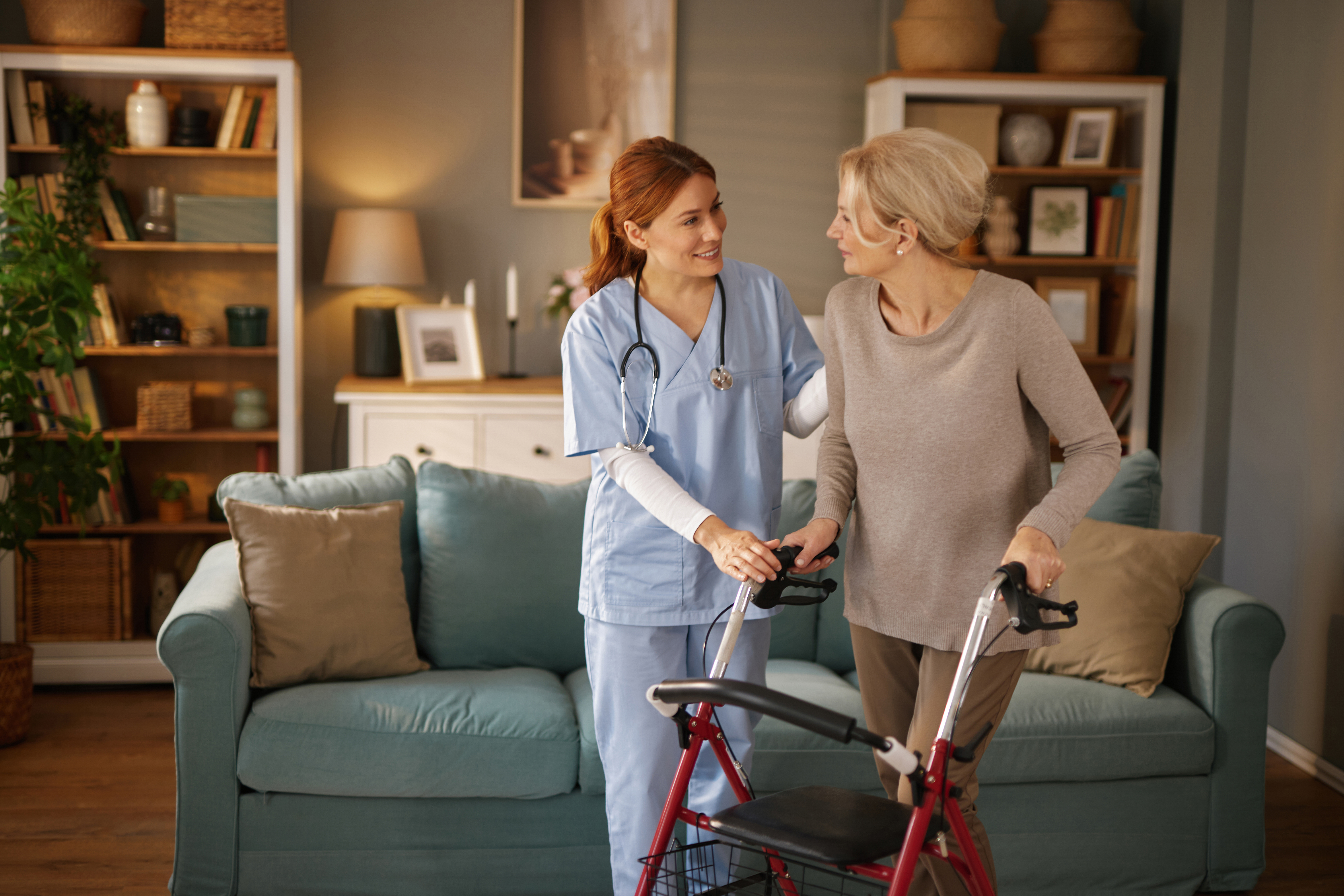
At TLC Home Mobility, we offer a wide array of products tailored to support your mobility needs. Let’s explore some of the popular choices.
Hospital Beds and Assistive Devices
Hospital beds are essential for many recovering at home. We provide adjustable beds that cater to various positions, enhancing comfort and ease of care. These beds are ideal for those needing long-term care or recovering from surgery, offering features like elevation and side rails for added safety.
Assistive devices, like grab bars and shower chairs, add an extra layer of support. These tools are vital for daily living, promoting independence and reducing the risk of falls. Our range is designed to meet diverse needs, ensuring everyone can find the right fit for their home. Visit our range of options for home medical equipment for more details.
Wheelchairs and Patient Lifts
Wheelchairs provide mobility and freedom. Whether you need a manual model or a powered option, our selection caters to various preferences and requirements. Owning a wheelchair means personalizing it to your specific needs, enhancing comfort and usability.
Patient lifts are crucial for safe transfers. They reduce strain on caregivers and offer peace of mind for patients. Our lifts are designed for ease of use, providing secure and smooth operation. Whether renting or buying, these tools significantly improve daily routines, ensuring safety and comfort for everyone involved.
Contact TLC Home Mobility for Guidance 🌟
Choosing the right mobility solution can be daunting. That’s why at TLC Home Mobility, we’re here to help. Our team offers personalized guidance, answering any questions you might have and helping you find the best fit for your needs and budget. We understand the importance of comfort and safety in your home, and we’re committed to providing solutions that make a difference in your life. Reach out to us today, and let’s explore how we can support your journey to independence and peace of mind.