Skip to content


Choosing home mobility equipment feels overwhelming when every option claims to be the best fit for aging in place. You want solutions that keep you or your loved ones safe, comfortable, and independent without breaking the bank. This guide breaks down what matters most—from matching gear to your home’s layout to weighing rental versus purchase—so you can feel confident making the right choice with help from TLC Home Mobility, your trusted local partner in the GTA. Explore more tips on how to choose a mobility aid.
Assessing Mobility Needs

Ready to find the perfect fit for your home? Let’s start by identifying your needs.
Understand Your Home Layout
Your home is unique, and so are your mobility needs. Consider how each room is set up. Are doorways wide enough for a wheelchair? Is there a clear path for a walker? Think about the areas where you spend most of your time. Whether it’s the kitchen or living room, ensure easy access. Sometimes, small changes like moving furniture can make a big difference.
It’s also crucial to look at the flooring. Thick carpets might trip up certain aids, while smooth surfaces are ideal. Take note of any stairs or uneven spots that need extra attention. By understanding your layout, you can choose equipment that fits seamlessly into your life. For more insights, visit this guide on the best products for aging in place.
Balance Safety and Comfort
Your home should be both safe and comfortable. Safety features like grab bars can prevent falls, while a comfy chair lift can make moving between floors easier. But don’t just think about safety. Consider comfort too. Are the seats padded enough for long periods? Will you need extra cushions?
The goal is to create a space where you feel secure and at ease. Imagine relaxing in a comfy chair that supports your needs without worry. With the right balance, your home becomes a haven. Dive deeper into senior safety tips.
Evaluate Budget and Options
Let’s talk money. Your budget plays a big role in your decisions. Start by listing what you need urgently, like a hospital bed or a wheelchair. Then, explore your options. Do you want brand-new items, or will pre-owned work just as well? Remember, pre-owned doesn’t mean low quality. Many find reliable options that fit their budget perfectly.
Look at costs upfront and over time. Rentals might be cheaper initially, but long-term use could cost more. Keep an eye on your finances while evaluating the best choice. Check out this comparison of rental vs. purchase options.
Choosing the Right Equipment
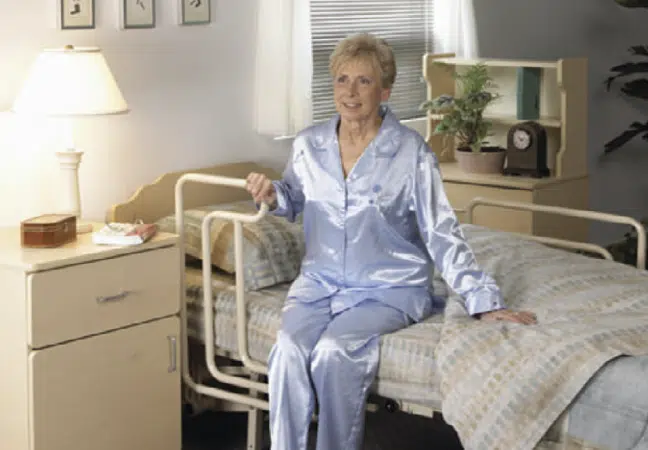
Once you’ve assessed your needs, the next step is picking the right equipment.
Hospital Beds and Mattresses
A good night’s sleep can make all the difference. Hospital beds offer adjustable features that regular ones don’t. You can raise or lower to find that perfect position, making it easier to get in and out of bed. If you worry about pressure sores, consider a pressure relief air mattress. They distribute weight evenly to prevent discomfort.
For the budget-conscious, pre-owned beds are a great choice. They offer the same quality at a fraction of the price. Curious about how to pick a hospital bed? This article offers expert advice on selecting the right one.
Wheelchairs and Seating Add-ons
Mobility aids like wheelchairs can transform daily life. But not all wheelchairs are the same. Some are lightweight, perfect for transport, while others offer more support for longer use. Consider where you’ll use it most: at home, outdoors, or both? Add-ons like cushions can enhance comfort and reduce pressure points.
For those looking to save, renting might be the way to go. It offers flexibility without a long-term commitment. Learn more about wheelchair rentals in Toronto.
Patient Lifts and Assistive Devices
Patient lifts are crucial for safe transfers. Whether it’s moving from bed to bathroom or chair, these devices reduce strain. Mechanical lifts or slings provide support, maintaining dignity and comfort. They’re vital for preventing injuries, both for you and your caregiver.
Don’t forget about smaller assistive devices, like grab bars or reachers. They might seem minor, but they help maintain independence. Discover more about durable medical equipment options to enhance safety.
Renting vs. Buying Equipment
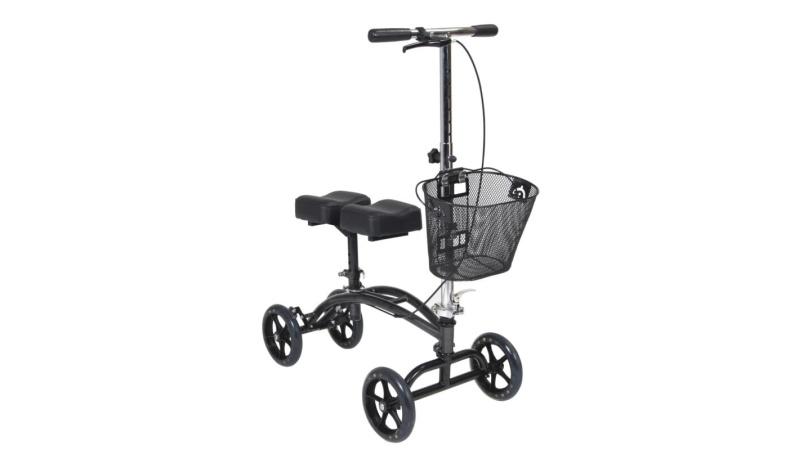
Not sure whether to rent or buy? Let’s weigh the pros and cons.
Rental Benefits and Costs
Renting offers flexibility. If you’re recovering from surgery, you might not need equipment long-term. Renting lets you try different options without a big investment. It also covers maintenance, so you’re not responsible for repairs. But remember, rental costs can add up over time.
Consider how long you’ll need the equipment and compare total expenses. For short-term needs, rentals can be a lifesaver. Check out how rent vs. buy mobility aids can affect your budget.
Pre-owned Equipment Options
Buying pre-owned can save money. Many items, like hospital beds or wheelchairs, maintain quality even after use. Ensure they come with a warranty for peace of mind. Check for signs of wear and confirm they’re fully serviced. Pre-owned doesn’t mean second-rate, it’s a smart way to stretch your budget.
For those curious, TLC Home Mobility reviews highlight how pre-owned options satisfy customers.
Warranty and Maintenance Tips
When investing in equipment, a warranty is essential. It protects you from unexpected costs. Check what’s covered and for how long. Regular maintenance also extends the life of your equipment. Simple checks like tightening screws or cleaning can prevent bigger issues.
Equip yourself with tips to keep your mobility aids in top condition. Prioritize warranty and maintenance when making your decision.
Final Thoughts
Choosing the right mobility equipment is about finding the best fit for your life and home. By understanding your needs, exploring options, and considering budget, you’re empowered to make informed decisions. Remember, TLC Home Mobility is here to support your journey with reliable, local solutions in the GTA.