Skip to content

How Much Does a Hospital Bed Cost for Home Use? A Clear GTA Guide to Buying and Renting
Hospital beds for home use come with a wide range of prices that can catch you off guard. You want to make sure the bed you choose fits your budget without sacrificing safety or comfort. This guide breaks down what affects hospital bed cost in the GTA, compares new, pre-owned, and rental options, and covers everything from mattress choices to delivery and setup. By the end, you’ll feel ready to pick the right bed with confidence—plus, we’ll share helpful tips on Ontario funding and insurance to ease the process. For more detailed information, you can visit this link.
Understanding Hospital Bed Costs
Navigating the world of hospital bed prices can be tricky. Let’s break down what you need to know.
Factors Influencing Bed Prices
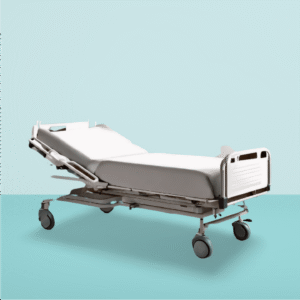
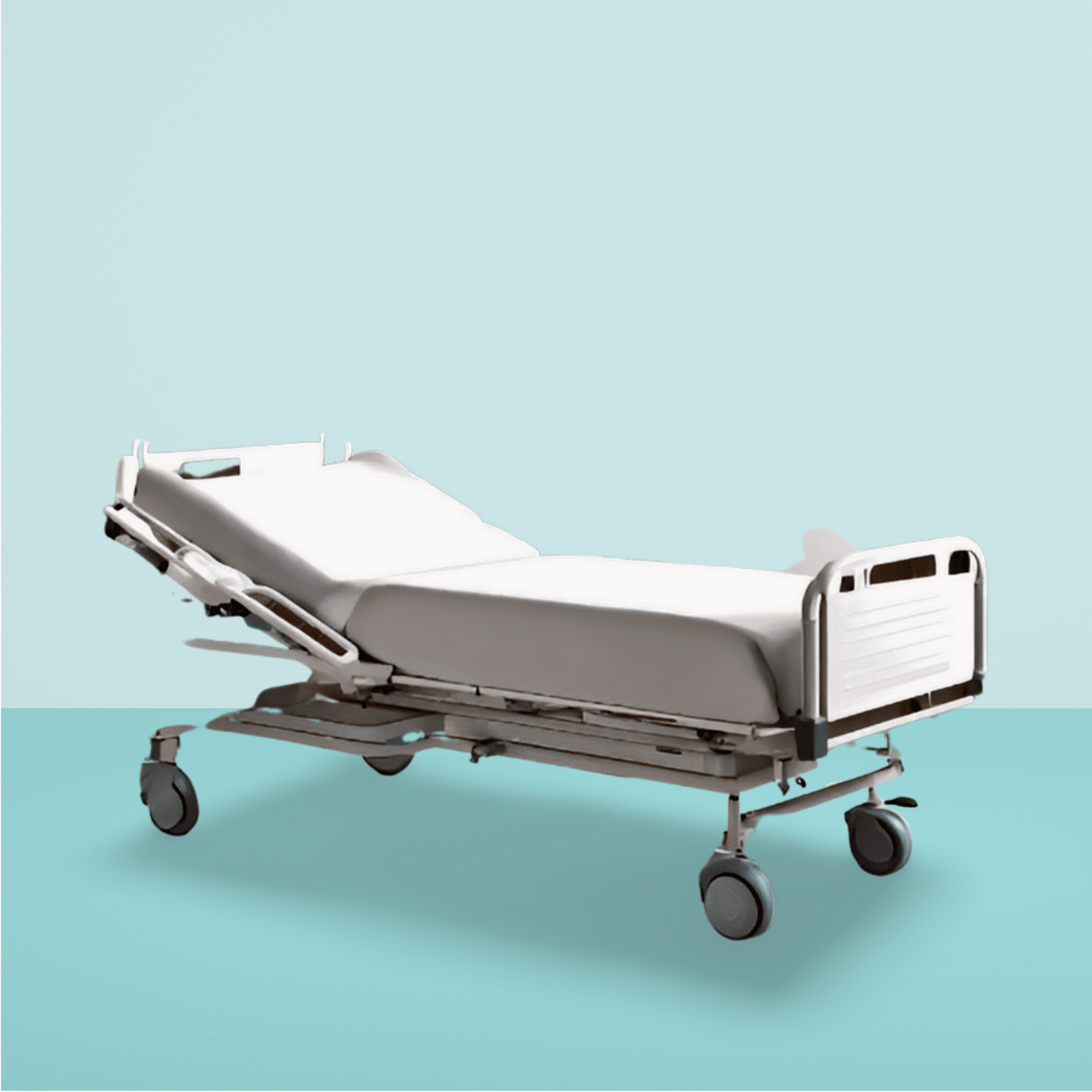
When considering a hospital bed for home, several elements impact the cost. First, the type of bed is crucial. A standard hospital bed may cost less than an electric or bariatric model. Electric beds offer more flexibility with adjustments, while bariatric beds provide extra support for heavier individuals. The material and brand also play a role. High-quality materials and well-known brands might come with a higher price tag, but often ensure durability. Additionally, features like side rails and mattress type can add to the cost. A specialized air mattress, for example, may be more expensive due to its pressure-relief capabilities. Lastly, location can affect pricing. For instance, a hospital bed in Toronto might be priced differently compared to a rural area. To get a sense of the price range, you can explore this hospital bed cost resource.
New vs. Pre-Owned vs. Rental Options
Choosing between a new, pre-owned, or rental hospital bed depends on several factors. A new hospital bed offers the latest features and warranties, ensuring peace of mind. However, the cost can be high, sometimes exceeding $3,000. Pre-owned beds provide a budget-friendly option. These beds often come with warranties, making them a safe choice for those looking to save money. On the other hand, renting is ideal for short-term needs. Monthly rental fees can range from $150 to $500, depending on the bed’s features. Renting also eliminates maintenance concerns, as companies typically handle repairs and replacements. If you’re unsure about long-term needs, starting with a rental might be wise, allowing flexibility without a significant upfront investment. For more insights, consider exploring this detailed guide on hospital bed costs.
Total Cost of Ownership Breakdown
Understanding the total cost of ownership involves more than just the price of the bed. Consider additional expenses like delivery and setup, which can add $175 or more. Investing in a quality mattress is essential for comfort and can range from $200 to $1,000. Don’t forget accessories like side rails or a mattress protector, which might not be included in the bed’s base price. Keep in mind that maintenance or service fees may arise, especially if issues occur outside of warranty periods. If you’re purchasing equipment, consider the potential resale value, which can offset initial expenses. Evaluating these factors ensures a comprehensive understanding of what you’ll spend over time, helping you make an informed decision.
Funding and Insurance Options
After understanding the costs, it’s crucial to explore how you can reduce them through funding and insurance options in Ontario.
Ontario Hospital Bed Funding
Ontario provides several programs to assist with hospital bed costs. The Assistive Devices Program (ADP) covers up to 75% of the cost for those who qualify. This program is crucial for those who need financial support but aren’t sure where to start. To apply, you’ll need to work with an ADP-authorized vendor, such as TLC Home Mobility. Keep in mind that the approval process can take some time, so it’s best to start early. Additionally, community organizations sometimes offer grants or loans to help with expenses. Engaging with local resources can uncover unexpected support, making a significant difference in affordability.
Insurance and Coverage Pointers
Insurance can be a valuable resource when managing hospital bed costs. First, check with your private health insurance to see if they offer coverage for medical equipment. Some plans might cover a portion of the cost, especially if a doctor prescribes the bed for medical necessity. Don’t forget to explore OHIP coverage. While OHIP doesn’t typically cover home hospital beds, it may assist with related services, providing indirect cost relief. Ensure you have a detailed prescription and documentation when filing a claim, as this increases the likelihood of coverage. Navigating insurance can be complex, but the potential savings make it worth the effort.
Veterans Affairs Equipment Coverage
For veterans, the Veterans Affairs Canada (VAC) offers equipment coverage. This program provides financial support for those needing home hospital beds. If eligible, veterans can receive full or partial coverage, depending on their assessed needs. The process involves an assessment to determine the suitable equipment and level of coverage. Connecting with a VAC representative can provide clarity and guidance on the application process. Veterans shouldn’t hesitate to leverage these resources, ensuring they receive the necessary support for home care needs.
Choosing the Right Bed
Selecting the perfect hospital bed involves considering safety, comfort, and additional services.
Safety and Comfort Considerations
Safety and comfort should be your top priorities when selecting a hospital bed. A bed with adjustable height and side rails can prevent falls and enhance ease of use. Look for beds with a quiet motor to ensure a peaceful environment. Mattress quality is equally important; a pressure-relieving mattress can prevent sores and enhance comfort. Consider the bed’s weight capacity, especially if you’re choosing a bariatric model. User reviews can offer insights into real-world performance, helping you make a more informed choice. Remember, the right bed should not only meet medical needs but also improve overall well-being.
Selecting the Best Mattress
Choosing the right mattress for your hospital bed is crucial. A foam mattress offers basic comfort and is cost-effective. For those with specific needs, an alternating pressure mattress can help prevent bed sores by shifting pressure points. These mattresses, however, come at a higher cost, often $300 to $1,000. Air mattresses provide additional comfort and are suitable for those requiring long-term care. Ensure the mattress size matches the bed, as improper fit can lead to discomfort and safety issues. Keep in mind that investing in a high-quality mattress can significantly impact comfort and recovery.
Professional Delivery and Setup Services
The final step in securing your hospital bed is ensuring its proper delivery and setup. Many providers, like TLC Home Mobility, offer professional delivery, ensuring the bed arrives safely and is set up correctly. Having experts handle the setup reduces the risk of improper assembly, which can lead to safety hazards. Most services include a walkthrough of the bed’s features, ensuring you understand its operation. This professional touch not only enhances peace of mind but also ensures the equipment is ready for immediate use, maximizing its benefits from day one.
By understanding these key factors, you’re well-prepared to make an informed decision about purchasing or renting a hospital bed for home use. Remember to consider your specific needs, explore funding options, and choose a provider that offers comprehensive support.