Skip to content

Before You Bring Home Mobility Equipment: A Caring Checklist for Aging in Place
Bringing home mobility equipment isn’t just about adding gear—it’s about creating a safer, more comfortable space for your loved ones to age in place. Choosing the right products can feel overwhelming, with so many options and concerns to weigh. That’s why a clear, caring checklist matters: it helps you pick safe, budget-friendly solutions that fit your home and lifestyle. Let’s walk through what to consider before making this important step with TLC Home Mobility by your side.
Key Considerations for Mobility Equipment
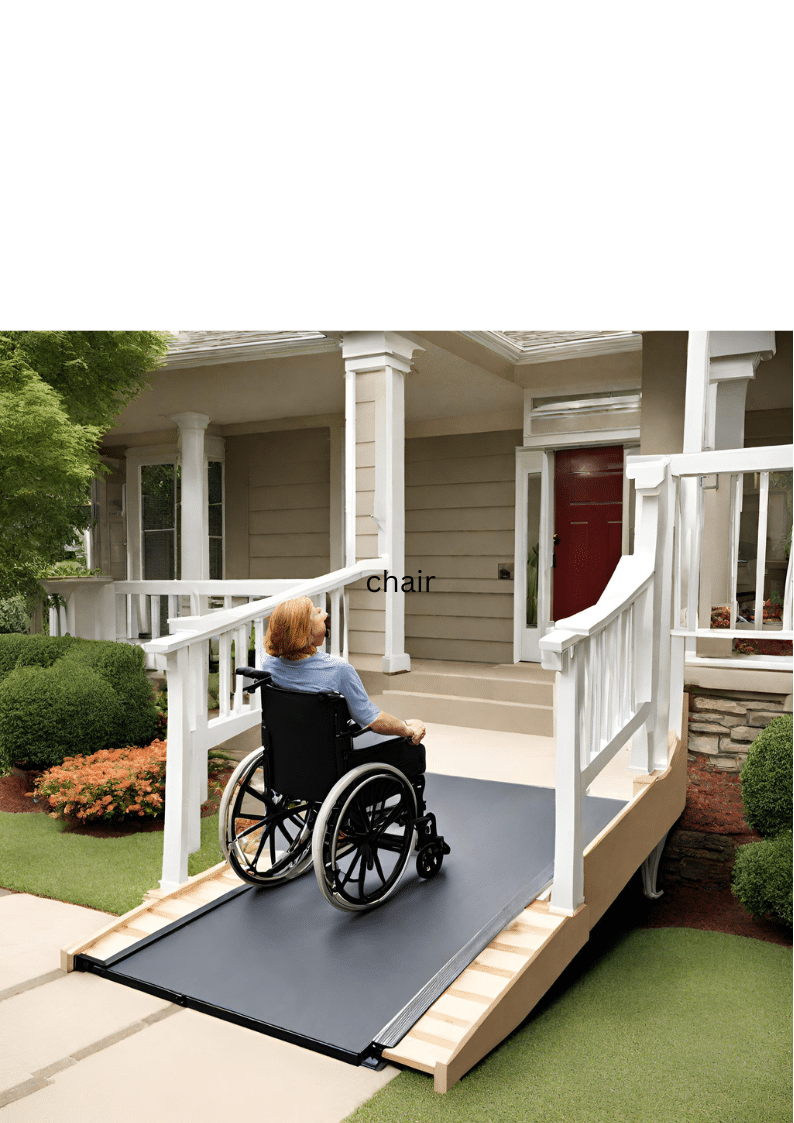
Choosing the right mobility equipment can make a big difference in comfort and safety. Keep these key factors in mind as you navigate your options to ensure you make the best choice.
Understanding Home Mobility Needs
Start by identifying the specific needs of your loved one. Do they require assistance with walking, or more support for sitting and standing? Consider the daily activities they struggle with and look for equipment that addresses these challenges. For instance, if standing is an issue, a lift chair might be the right choice.
Think about your home’s layout, as well. Tight spaces might need compact equipment like a narrow wheelchair or a small walker. By tailoring your choices to your loved one’s needs and the home’s structure, you create a safer environment.
Budget-Friendly Options for Equipment
Finding affordable equipment doesn’t mean sacrificing quality. Look for reputable brands with strong customer reviews. Pre-owned equipment can be a cost-effective choice, often coming with warranties for added peace of mind.
To stretch your budget further, consider rental options. These allow you to access high-quality equipment for short-term needs without a large upfront cost. Renting or buying medical equipment should align with your financial and practical requirements.
Importance of Safe and Comfortable Choices
Safety and comfort should never be compromised. Equipment like hospital beds and air mattresses for pressure relief are essential for preventing injuries and ensuring restful sleep. Prioritize items known for their safety features, like grab bars and assistive devices designed to prevent falls.
Regularly check the condition of the equipment to maintain its safety. If possible, opt for professional setup to ensure everything is installed correctly. This investment in safety is crucial for both peace of mind and physical well-being.
Conducting a Thorough Home Assessment

Before purchasing or renting equipment, it’s vital to assess the home environment. This step helps identify possible obstacles and ensures the space is ready for new additions.
Identifying Potential Hazards
Walk through each room to spot potential hazards like loose rugs, uneven flooring, or narrow doorways. These can pose risks when moving new equipment around. Addressing these issues early can prevent accidents and ensure smooth navigation.
Consider involving your loved one in this process. They can provide insights about daily challenges that aren’t immediately obvious. By collaborating, you make the home safer and more accessible for everyone involved.
Planning for Equipment Placement
Deciding where to place mobility aids is as important as choosing the right equipment. Select areas that offer enough space for operation while considering convenience for the user. For example, a wheelchair rental in Toronto should be easily accessible near frequently used rooms.
Think about how the equipment will fit into your current layout. Are there any pieces of furniture that need to be moved or removed? Planning ahead allows for a more seamless integration of the items into daily life.
Consulting with Professionals for Guidance
When in doubt, consult professionals for guidance. Occupational therapists and home care specialists can offer valuable insights on the best solutions for your specific situation. Their expertise can prevent costly mistakes and ensure that all needs are met efficiently.
These consultations often provide tailored advice that considers both current and future needs, making them a worthwhile investment in your loved one’s safety and comfort.
Selecting the Right Mobility Equipment
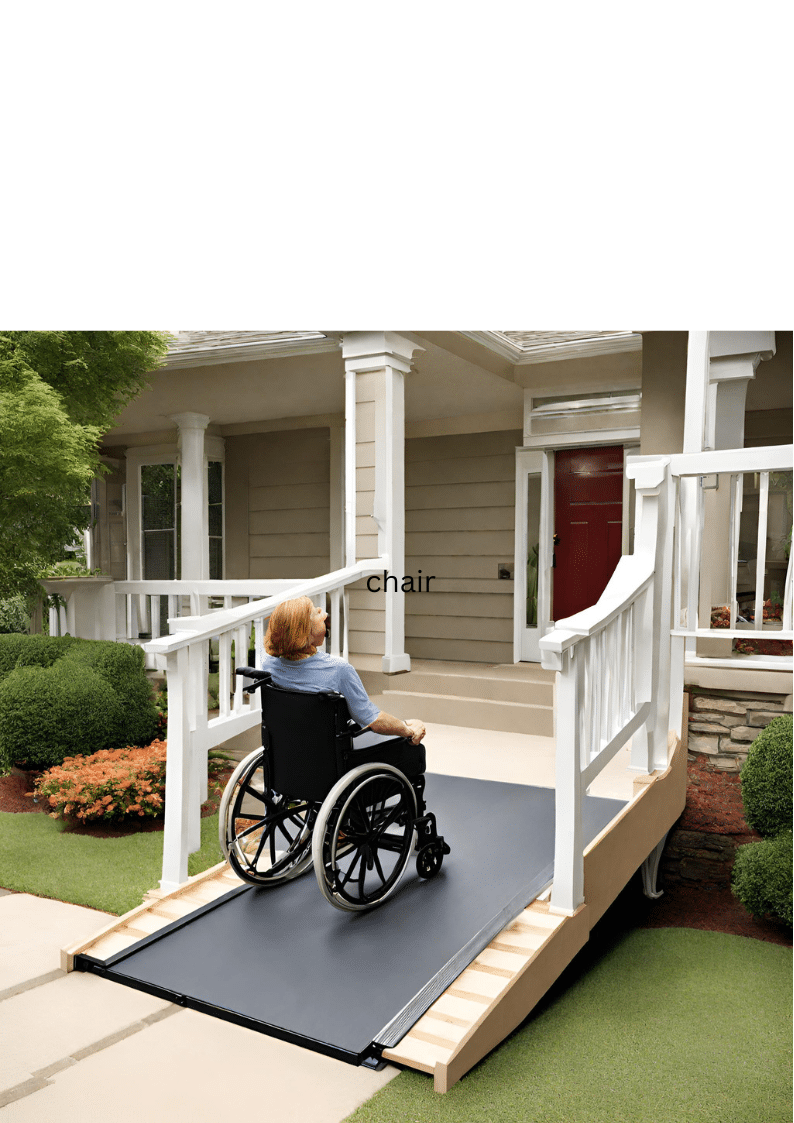
With a thorough understanding of needs and home readiness, it’s time to select the actual equipment. This process involves evaluating various options to find the best fit.
Choosing Between Renting or Buying
Deciding between renting or buying depends on individual circumstances. Renting allows for flexibility and is great for short-term needs, while purchasing can be more economical in the long run for permanent needs. Consider the benefits of each option carefully before making a decision.
Look at your budget and forecast how needs might change over time. This helps in deciding whether a long-term investment is worthwhile or if renting provides more flexibility.
Exploring Pre-Owned Equipment Benefits
Pre-owned equipment offers significant savings without compromising quality. Many retailers provide warranties and thorough checks to ensure safety. This makes them a viable choice for those needing to manage costs while selecting high-quality items.
Purchasing pre-owned items also supports sustainability by reducing waste. This aspect might appeal to those committed to eco-friendly practices, adding another layer of satisfaction to your choice.
Evaluating Fast Delivery and Setup Services
When selecting equipment, consider the importance of fast delivery and setup services. Speedy service ensures that urgent needs are met promptly, reducing stress and enabling immediate use. Check for local providers known for quick turnaround and reliable service.
Whether you choose TLC Home Mobility or another service, ensure they offer comprehensive setup and user education. This ensures the equipment is used correctly and safely from day one, reducing the risk of misuse or injury.
By following this checklist, you’ll make informed decisions that enhance safety, comfort, and independence for your loved ones. Embrace each step with care, knowing you’re creating a supportive environment for aging in place.