Skip to content

Bathroom Safety Equipment for Safer Home Care
Create a safer bathroom setup with shower chairs, bath benches, transfer benches, commodes, raised toilet seats, toilet safety rails, grab bars, and bathing aids that support seniors, caregivers, recovery patients, and people with limited mobility.
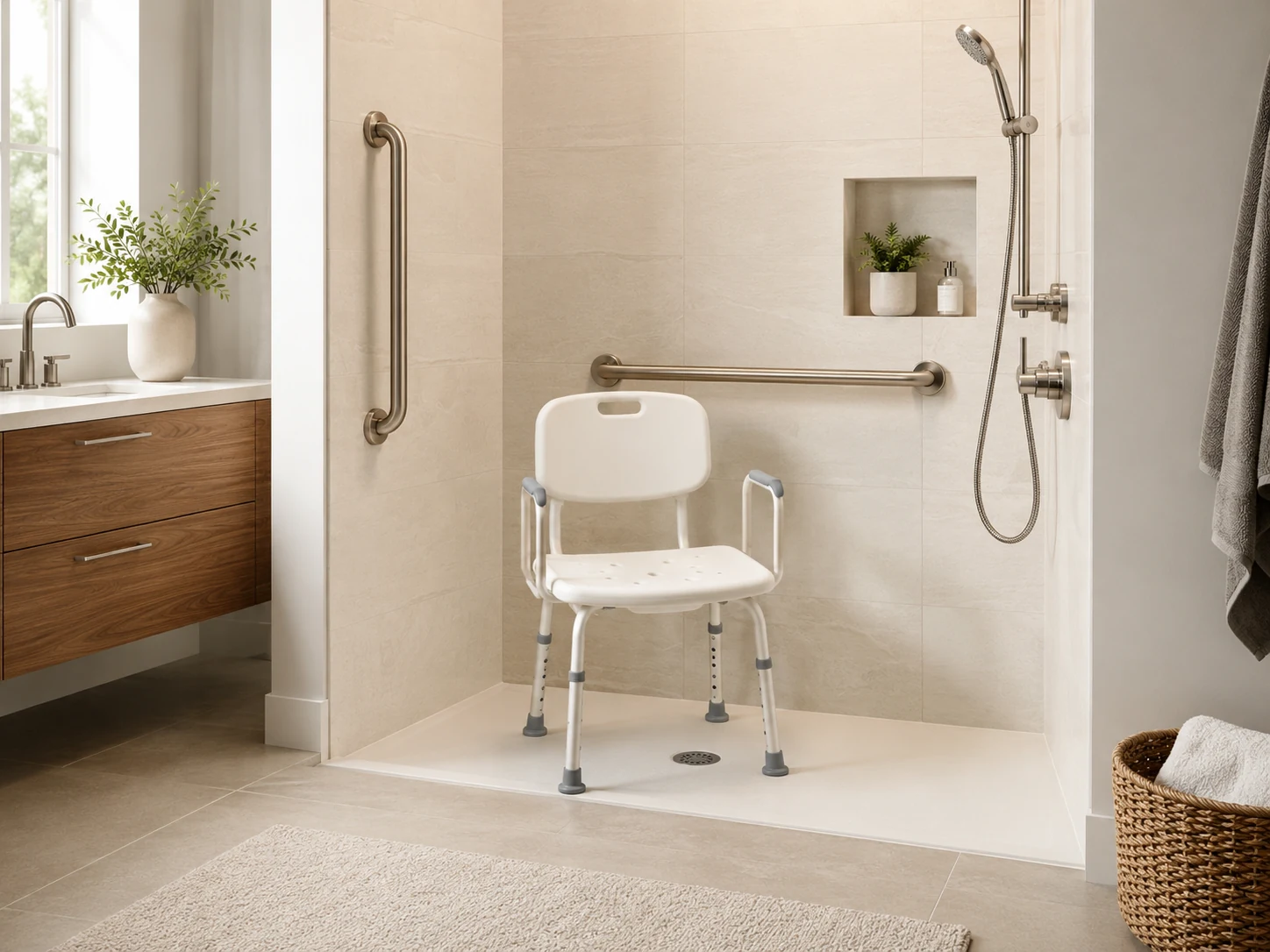
Bathroom Safety Support for Bathing, Toileting, and Transfers
Bathrooms can be challenging when balance, strength, endurance, or transfer ability changes. The right equipment can help reduce strain, improve confidence, and support safer routines at home.
Bathing support
Shower chairs, bath seats, bath benches, and transfer benches help make bathing more stable and less tiring.
Toilet safety
Raised toilet seats, commodes, and toilet rails can make sitting, standing, and toileting routines easier to manage.
Transfer confidence
Transfer benches, shower commode chairs, and support rails can help with safer movement between surfaces.
Home care planning
Bathroom safety equipment often works best when matched with walkers, wheelchairs, patient lifts, or hospital beds.
Match the Product to the Person, Bathroom, and Transfer Ability
The safest choice depends on whether the person can stand, pivot, step over a tub edge, sit unsupported, use a walker, or needs caregiver help during bathing and toileting.
Can they step into the tub or shower?
If not, a transfer bench, shower chair, or alternative bathing support may be safer than a simple stool.
Do they need help standing from the toilet?
A raised toilet seat, commode, or toilet safety rail may reduce strain and support safer sit-to-stand movement.
Is a caregiver helping?
Caregiver-assisted routines may require more supportive equipment, especially for transfers, bathing, or toileting.
Is this for recovery or long-term care?
Short-term recovery and aging-in-place setups may need different levels of support, comfort, and adjustability.
Common Bathroom Safety Equipment Options
Browse common bathroom safety categories for home care, recovery, aging at home, and caregiver support.
Shower Chairs & Bath Benches
Seated bathing support for people who fatigue easily, have balance concerns, or need added stability in the shower.
- Shower chairs with or without backs
- Bath benches and stools
- Helpful for safer seated bathing
Transfer Benches & Bath Lifts
Support for people who have difficulty stepping over the tub edge or lowering themselves safely into the bath area.
- Transfer benches with backrests
- Sliding transfer benches
- Bath lift options where appropriate
Commodes & Shower Commodes
Bedside, bathroom, and shower commode options for toileting support, caregiver access, and safer daily routines.
- Folding and bedside commodes
- Drop-arm and bariatric options
- Wheeled shower commode chairs
Raised Toilet Seats & Rails
Toilet safety options that can make sitting and standing easier for seniors, recovery patients, and people with weakness.
- Raised toilet seats
- Toilet safety frames and rails
- Support for sit-to-stand routines
Grab Bars & Support Rails
Added hand support near showers, tubs, toilets, and transfer areas to help improve confidence and stability.
- Bathroom grab bars
- Tub rails and safety rails
- Support near high-risk areas
Bathroom Safety Planning
TLC can help families think through bathroom equipment alongside mobility, transfer, and bedroom-care equipment.
- Bathroom layout considerations
- Caregiver access and transfers
- Home-care equipment coordination
Which Bathroom Safety Product Should You Consider?
This comparison is a starting point. The right choice depends on the bathroom layout, mobility level, strength, balance, and whether a caregiver is assisting.
| Need | Possible equipment | Helpful when |
|---|---|---|
| Safer seated showering | Shower chair, bath bench, shower stool | The person can sit safely but tires, feels unsteady, or should avoid prolonged standing. |
| Tub entry is difficult | Transfer bench, sliding transfer bench, bath lift | Stepping over the tub edge is unsafe or the person needs help entering the bathing area. |
| Toilet is too low | Raised toilet seat, toilet safety rails | Sitting down or standing from the toilet is difficult because of weakness, pain, or balance concerns. |
| Bedside toileting is needed | Folding commode, bedside commode, drop-arm commode | The bathroom is too far away, especially at night or during recovery. |
| Shower and toileting support overlap | Shower commode chair, wheeled commode chair | Caregiver-assisted bathing and toileting require more supportive equipment. |
Bathroom Safety Works Best With the Right Mobility Plan
Bathroom safety is often part of a larger home-care setup. These related categories help families plan safer movement, transfers, and recovery at home.
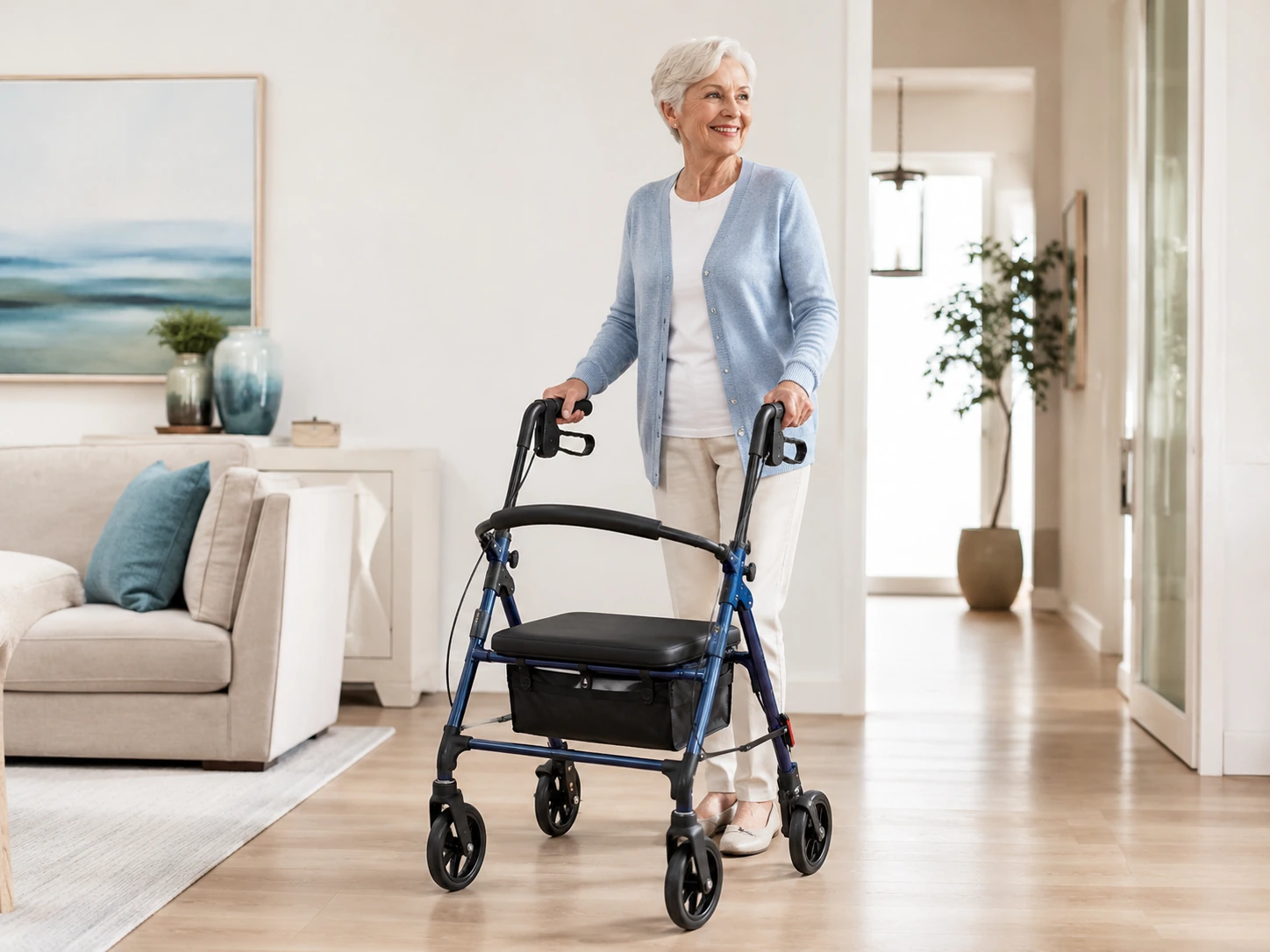
Walkers, Rollators & Knee Scooters
Support safer movement through the home and to the bathroom.
View walkers and rollators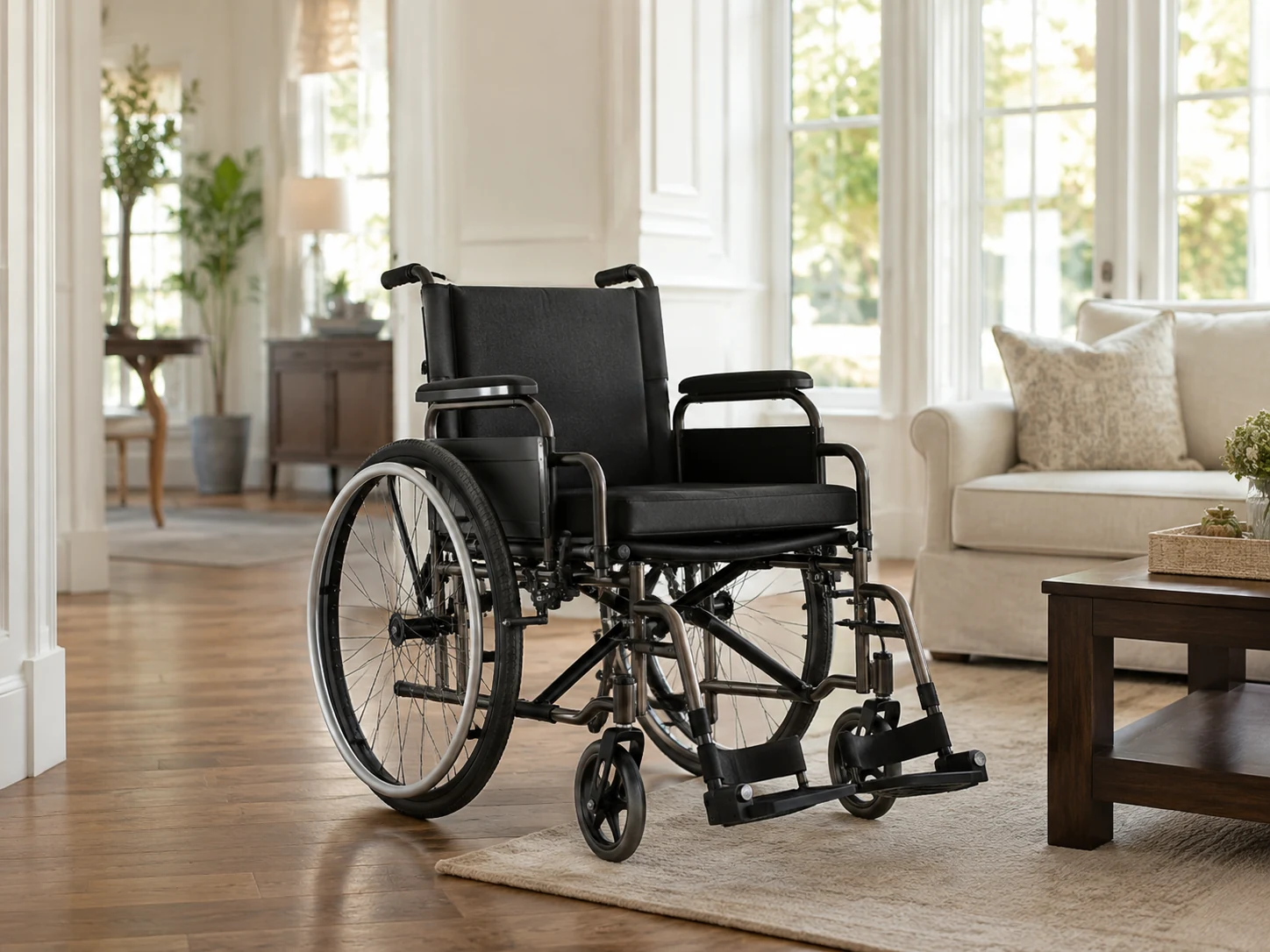
Wheelchairs & Transport Chairs
Helpful when walking distance, transfers, or outings become difficult.
View wheelchairs and transport chairs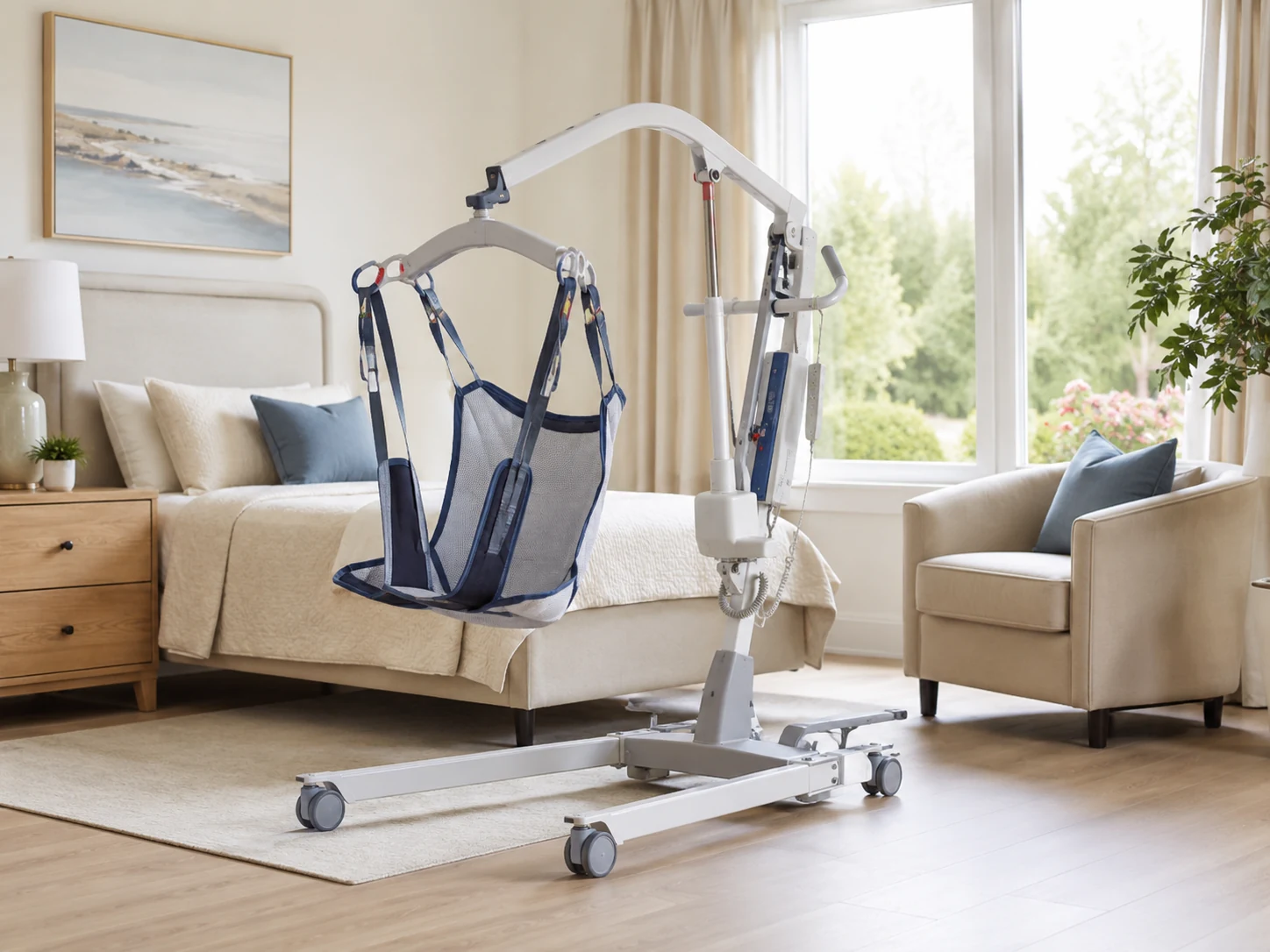
Patient Lifts & Transfer Equipment
Transfer support for bed, wheelchair, commode, recliner, and shower routines.
View patient lifts and transfers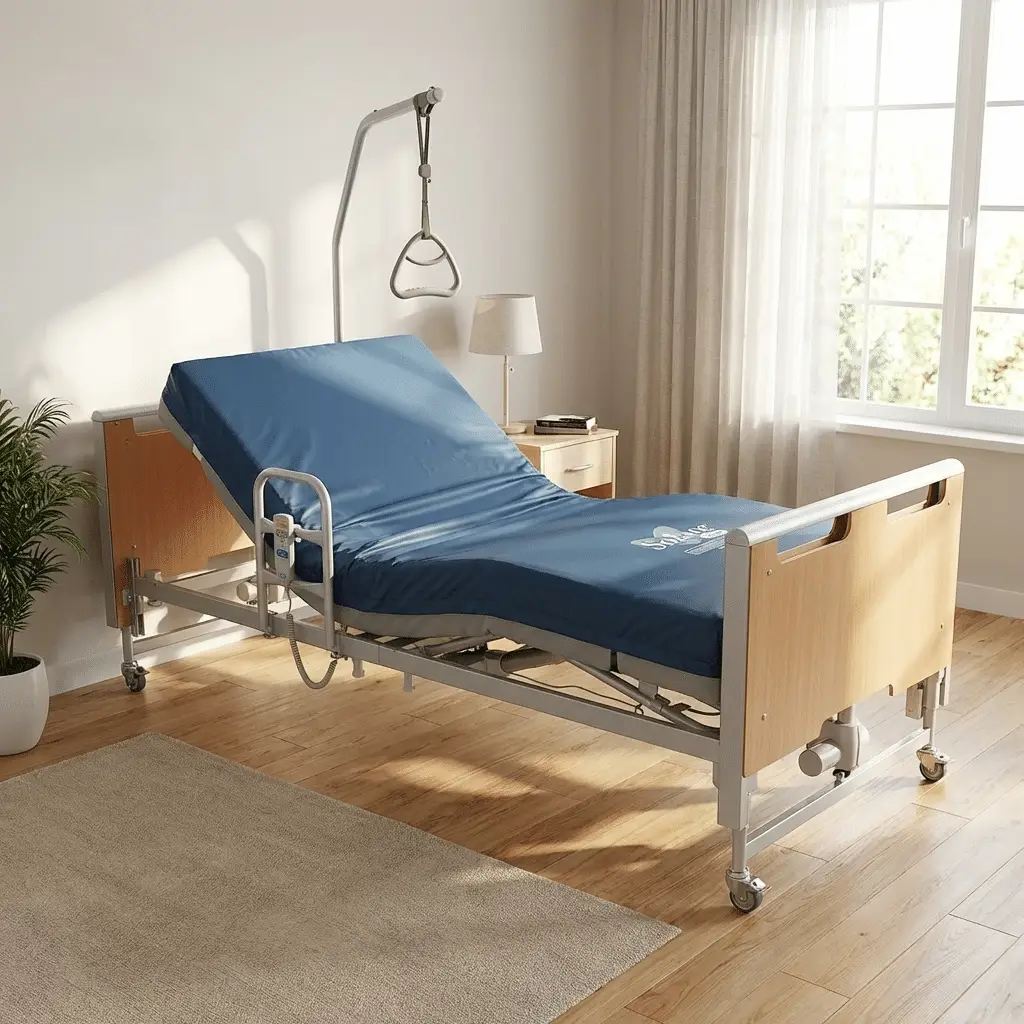
Hospital Beds for Home Care
Adjustable hospital beds, pressure relief mattresses, and recovery equipment for safer home care.
View Hospital Beds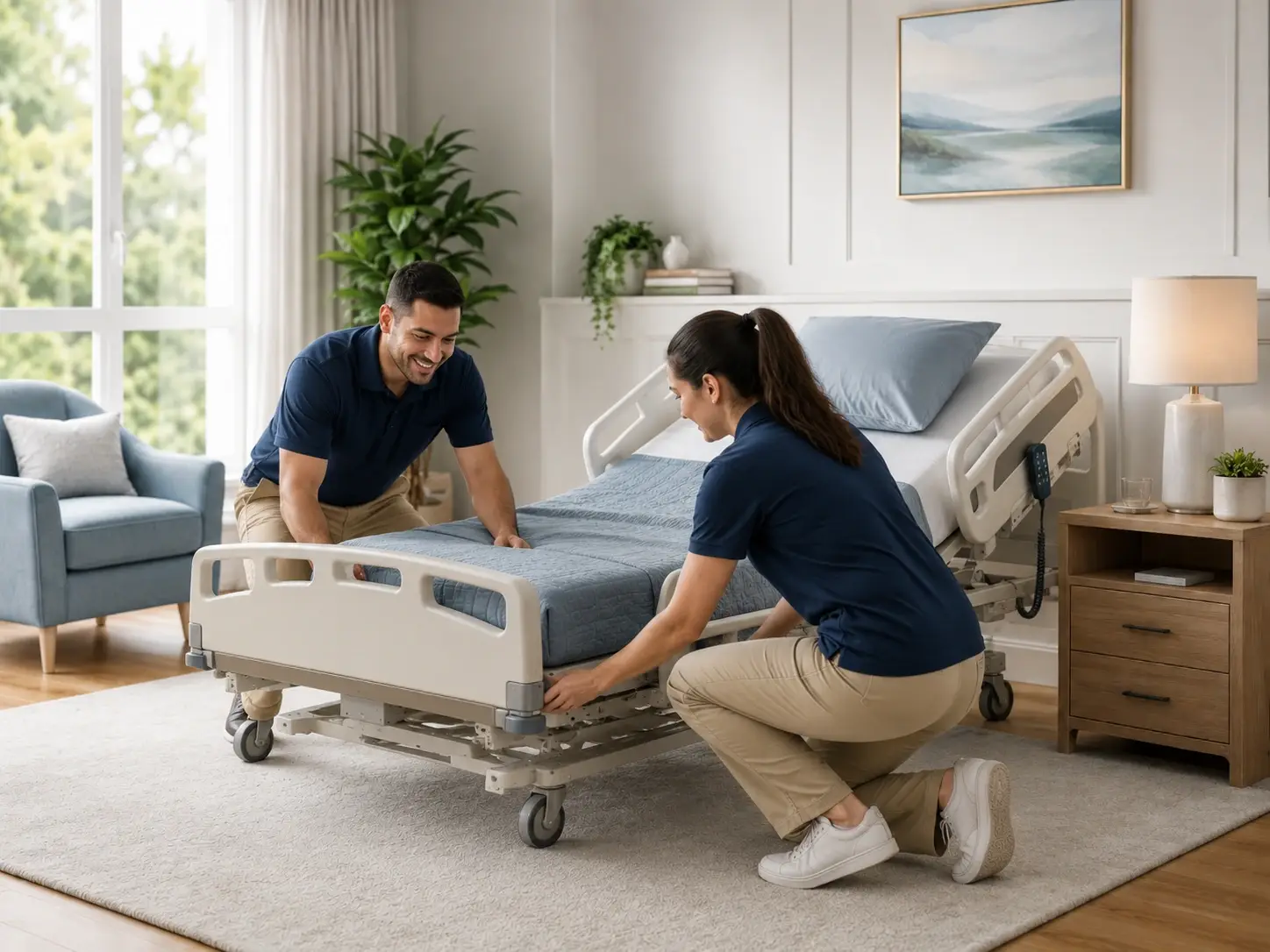
Hospital Discharge Equipment
Coordinate bathroom safety products, hospital beds, wheelchairs, and transfer equipment before returning home.
View Discharge SupportBathroom Safety Equipment Guidance for Local Families
TLC Home Mobility is based in Whitby and supports families across Durham Region and surrounding GTA communities with home mobility equipment, bathroom safety products, rentals, sales, delivery planning, and setup guidance.
Bathroom Safety Equipment at a Glance
TLC Home Mobility provides shower chairs, bath benches, transfer benches, commodes, raised toilet seats, toilet safety rails, grab bars, and bathroom safety solutions for seniors, recovery patients, caregivers, and people with mobility challenges throughout Durham Region and the Greater Toronto Area.
Frequently Asked Questions
Common questions families ask when choosing bathroom safety equipment for home care, recovery, and aging at home.
What bathroom safety equipment is most commonly needed at home?
Common bathroom safety equipment includes shower chairs, bath benches, transfer benches, commodes, raised toilet seats, toilet safety rails, grab bars, and shower commode chairs.
Should I choose a shower chair or transfer bench?
A shower chair may be suitable when the person can safely enter the shower and sit. A transfer bench may be better when stepping over a tub edge is difficult or unsafe.
When is a commode useful?
A commode can be useful when the bathroom is too far away, nighttime toileting is difficult, or the person needs toileting support closer to the bed or care area.
Can bathroom safety equipment help after hospital discharge?
Yes. Bathroom safety equipment is often part of discharge planning because bathing and toileting can be difficult during recovery, weakness, pain, or reduced mobility.
Do raised toilet seats help with sit-to-stand movement?
Raised toilet seats and toilet safety rails may make sitting and standing easier by reducing the distance to lower or rise from the toilet.
Can TLC help choose the right bathroom safety setup?
Yes. TLC can help families think through the bathroom layout, mobility level, transfer ability, caregiver support, and related equipment needs before choosing products.
Do I need grab bars or a shower chair first?
It depends on the person's mobility and bathroom layout. Some people benefit most from a shower chair, while others need grab bars, transfer benches, or a combination of equipment. TLC can help determine the safest starting point.
Need help making the bathroom safer?
Call TLC Home Mobility for help choosing shower chairs, commodes, raised toilet seats, grab bars, transfer benches, and related home-care equipment.