Skip to content

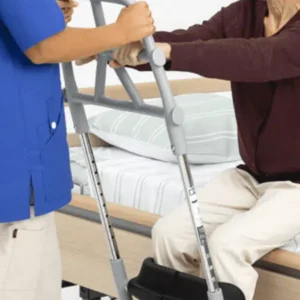
Moving a loved one at home can feel risky and overwhelming. Without the right steps, both caregiver and patient face falls or injuries that could have been avoided. This guide breaks down safe patient transfers with clear home transfer techniques and shows how the right equipment—from sit-to-stand lifts to transfer belts—makes every move smoother and safer. Ready to ease the strain and protect your family? Let’s get started.
Understanding Safe Patient Transfers
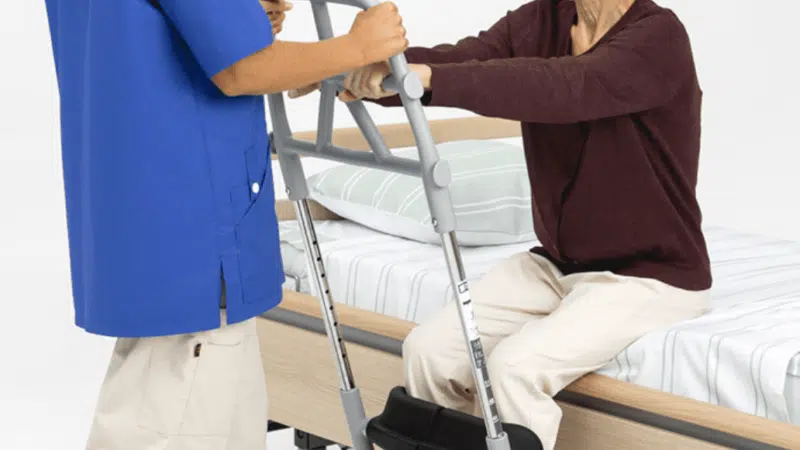
Helping someone move safely can make a big difference in their comfort and confidence. It also helps you avoid potential injuries. Let’s explore how safety and comfort come together in patient transfers.
Importance of Safety and Comfort
The moment you start a transfer, the focus should be on keeping everyone safe and comfortable. Safety prevents falls and injuries, while comfort encourages trust and cooperation. Caring for someone means being attentive to their needs. This might involve adjusting the environment, such as moving furniture or ensuring there is enough light. For example, if you’re helping your grandmother move from her bed to a chair, clear the path first to prevent any tripping hazards. This thoughtful preparation can make all the difference in a successful transfer.
Techniques for Home Transfers
Mastering transfer techniques can help you and your loved one. Begin with simple steps. First, talk to the person you are assisting. Explain what you’ll do and how they can help. Next, use your body to support them. Keep your feet apart for balance, and bend your knees to bring your center of gravity lower. When lifting, always keep your back straight to avoid strain. If you’re unsure about lifting techniques, this guide to safe transfers offers a comprehensive overview.
Essential Equipment for Transfers
Using the right equipment can make transfers smoother. Consider items like transfer belts or slide sheets. These tools offer extra security and ease movements. Transfer belts, for example, wrap around the patient’s waist to give you more control. Slide sheets help glide patients from one surface to another with minimal lifting. It’s smart to keep these tools handy. They can prevent accidents and make the experience less stressful for everyone involved.
Effective Caregiver Body Mechanics
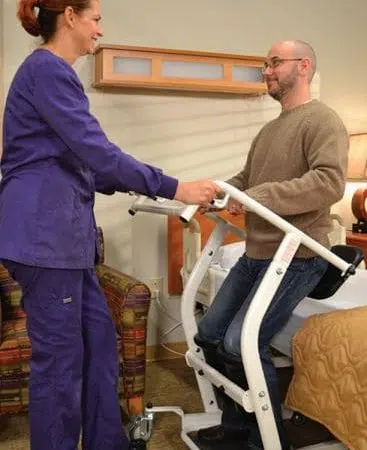
Proper body mechanics protect you while assisting others. Let’s explore how these techniques prevent strain and injury.
Preventing Strain and Injury
Protecting yourself is key to effective caregiving. Start by maintaining a good posture. Stand close to the person you are helping, and use your legs rather than your back to lift. When turning, move your whole body instead of twisting your spine. Use your core muscles to stabilize yourself. These actions reduce the risk of back injuries, which are common among caregivers. Think of your body as a strong support system that can be used to help others efficiently.
Best Practices for Lifting and Moving
Lifting and moving someone can be tricky. The trick is to plan each step carefully. Start by assessing the situation: consider the person’s weight and any physical limitations. Use simple commands to guide them: for example, “on the count of three, we’ll stand.” Clear communication builds trust and ensures cooperation. Keeping your movements smooth and controlled helps maintain balance and reduces injury risks. Need more tips? This resource on transferring patients is packed with practical advice.
Proper Use of Transfer Aids
Transfer aids are invaluable tools. These include devices like Hoyer lifts, which can lift a person without physical strain. Sit-to-stand lifts assist those who need minimal help standing. These aids make transfers more efficient and comfortable. Before using any equipment, ensure you understand the instructions and safety features. This knowledge not only helps in execution but also boosts your confidence when handling challenging situations.
Home Healthcare Equipment Solutions
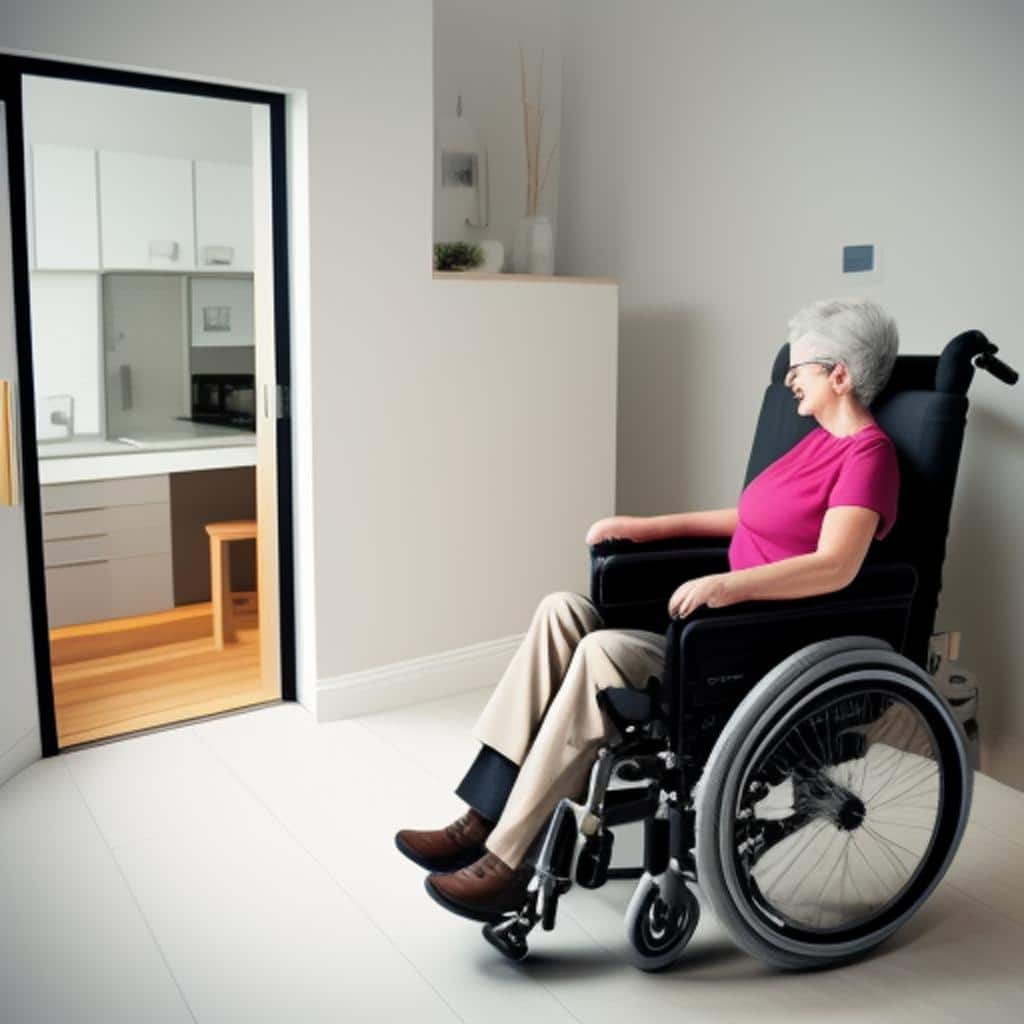
Choosing the right equipment can transform home care experiences. Here, we dive into mobility aids and their benefits.
Choosing the Right Mobility Aids
Picking the right aid starts with understanding your needs. A wheelchair might be necessary for someone with limited mobility. For others, a rollator may suffice. Look for equipment that’s adjustable and easy to use. Comfort is crucial, so test different options to see what suits best. Remember, the goal is to enhance independence, not hinder it.
Benefits of Patient Lift Rentals
Renting patient lifts offers flexibility. It’s a cost-effective option for short-term needs, like post-surgery recovery. Rentals ensure you have access to the latest equipment without a long-term commitment. Plus, you can try different models to find the best fit. Many families in the Greater Toronto Area have found success with patient lift rentals, praising the convenience and affordability.
Enhancing Bathroom Safety for Seniors
Bathrooms can be risky places for seniors. Simple modifications can greatly improve safety. Consider installing grab bars near the toilet and shower. Use non-slip mats to prevent falls. A shower chair provides stability for those with balance issues. These additions not only enhance safety but also boost confidence in daily activities. Making these changes can significantly reduce the risk of accidents.
Each section of this guide offers insights to make home care safer and more comfortable. By implementing these strategies, you can ensure your loved ones remain safe and cared for, while also protecting yourself from injury.