Skip to content

Many caregivers face the challenge of moving loved ones safely without risking injuries. One wrong move can lead to falls or strain that nobody wants. This guide offers clear steps and practical tips for safe patient transfers at home, helping you protect both your loved one and yourself. Let’s explore easy ways to make every transfer safer and more comfortable with the right techniques and equipment.
Understanding Safe Patient Transfers
To prevent injuries during patient transfers, it’s crucial to understand the basics. Safe transfers protect both the caregiver and the patient. Learning the right methods can make a big difference.
Importance of Safe Transfers
Safe transfers are the foundation of caregiving. They prevent injuries and ensure comfort. When done correctly, they build trust between you and your loved one. This trust is essential for both physical and emotional well-being.
Every time you transfer someone, you have a chance to improve their day. A safe transfer reduces stress and pain, making daily routines smoother. It also helps maintain the dignity of the person being cared for. When they feel secure, they gain confidence in their mobility, which is a crucial part of their independence.
Common Transfer Challenges
Many caregivers encounter obstacles during transfers. Balancing safety with comfort can be tricky. Some patients may resist or feel anxious, which can complicate the process.
Understanding these challenges is the first step to overcoming them. Fear of falling is common, which can make patients tense. This tension can increase the risk of injury. For caregivers, the physical strain of lifting or moving a patient can lead to back pain or injuries.
Preventing Falls and Injuries
Preventing falls is a top priority. A fall can lead to serious injuries. Using proper techniques reduces this risk. Begin by ensuring the path is clear of obstacles. A clutter-free space is crucial for safe transfers.
Invest in the right equipment, like transfer belts and slide sheets. These tools can make lifting easier and safer. Training in their use is also important. With the right skills, you can help prevent falls and make transfers smoother for everyone involved.
Essential Equipment for Safe Transfers
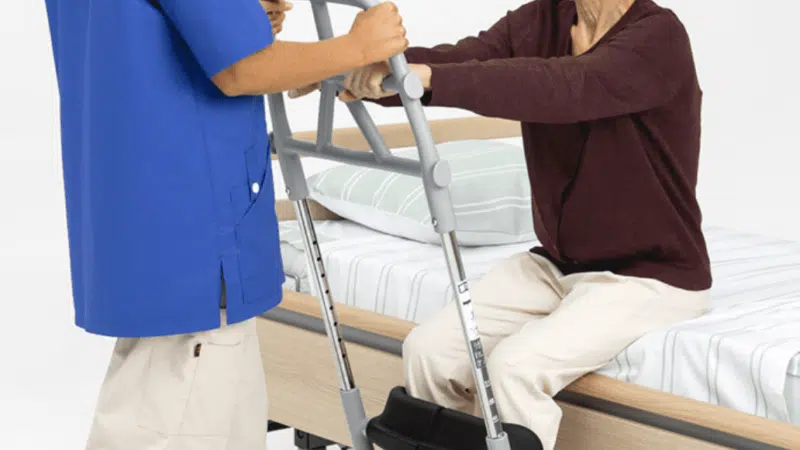
Having the right equipment can make all the difference in safe transfers. It provides the support you need to manage each move effectively.
Choosing the Right Patient Lift
A patient lift is an essential tool for many caregivers. It helps transfer patients safely from bed to chair without straining your back. Patient lifts come in various models, so it’s crucial to choose one that fits your needs.
Consider factors like the weight capacity and the type of sling required. Some lifts are designed for specific tasks, such as a sit-to-stand lift, which helps those who can bear some weight. If you’re in the GTA, numerous options are available for both rental and purchase.
Benefits of Transfer Belts and Slide Sheets
Transfer belts and slide sheets are simple yet effective tools. They help in shifting or repositioning a patient smoothly, reducing the effort needed for both of you.
Transfer belts, worn around the patient’s waist, give you a secure grip. They are ideal for short moves, like from bed to wheelchair. Slide sheets, on the other hand, allow for easy adjustments in bed. These tools reduce friction, making movements smoother and safer.
Hospital Bed Rental Options in the GTA
For many, renting a hospital bed is a practical solution. It provides the comfort and functionality needed for safe transfers. In the GTA, you can find flexible rental options to suit short or long-term needs.
Hospital beds offer adjustable positions, aiding in mobility and comfort. They are designed to support safe transfers and can be tailored to individual needs. When choosing a rental, ensure it meets your requirements for both safety and cost.
Step-by-Step Transfer Techniques
Mastering transfer techniques is key to safe caregiving. Each method offers a different approach, tailored to specific situations.
Bed to Wheelchair Transfer Tips
Transferring from bed to wheelchair requires technique. Start by positioning the wheelchair close to the bed. Lock the wheels to ensure stability.
Before beginning, help the patient sit up and let them adjust to the sitting position. Use a transfer belt to guide them safely. A proper grip and steady pace are essential to avoid sudden movements that can lead to falls.
Using a Sit-to-Stand Lift in the GTA
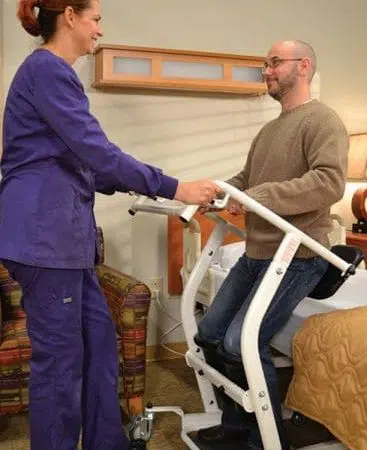
A sit-to-stand lift can be a game-changer. It’s perfect for those who have some mobility but need help standing. In the GTA, these lifts are available for rent or purchase.
To use the lift, ensure the patient is comfortable and secure in the sling. Slowly activate the lift, providing support and reassurance throughout. This method is gentle on both the patient and the caregiver, reducing the risk of injury.
Caregiver Back Safety and Transfer Belt Use
As a caregiver, your well-being is important. Proper back safety techniques protect you from injury. When using a transfer belt, maintain a straight posture and use your legs to lift, not your back.
Always prioritize your safety by positioning yourself correctly. This involves standing close to the patient and avoiding twisting motions. By using these techniques, you can ensure both your safety and the comfort of the person you’re helping.
By following these guidelines and using the right equipment, you can make patient transfers a safer and more comfortable experience for everyone involved.