Skip to content

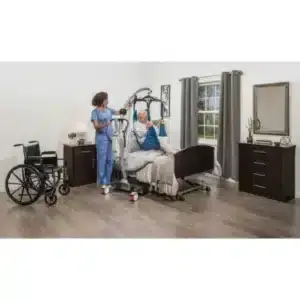
A Caregiver-Friendly Guide to Safer Transfers at Home
A Caregiver-Friendly Guide to Safer Transfers at Home
Transfers at home can be the toughest part of caregiving. One wrong move risks falls, sore backs, or lost independence for your loved one. This guide shares clear, practical steps and trusted equipment options to help you make safer transfers at home. With the right tips and tools from TLC Home Mobility, you’ll protect both yourself and those you care for while supporting independent living in the Greater Toronto Area. For more information, you can refer to this resource.
Understanding Caregiver Transfer Tips
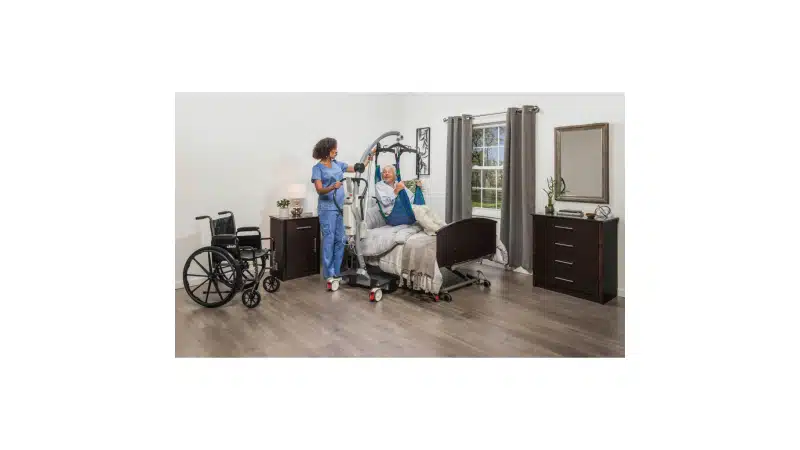
Ensuring loved ones move safely at home is key for their comfort and your peace of mind. Let’s explore how to make this happen effectively.
Importance of Safer Transfers at Home
Every day, caregivers face the challenge of moving individuals safely. You want to maintain your loved one’s dignity while preventing injuries. Safer transfers begin with proper techniques. You can learn these skills through simple training, minimizing risks significantly. Keeping the home environment hazard-free also plays a big role. For more guidance, check out this caregiver resource.
Preventing Falls and Protecting Backs
Falls can lead to serious injuries, so preventing them is crucial. Use non-slip mats and clear any clutter from pathways. When transferring someone, remember to bend your knees, not your back, and keep the person close to your body. This reduces strain and helps maintain balance. Did you know? Using a gait belt can give you more control during these transfers.
Tools for Independent Living Support
Having the right tools makes all the difference. Wheelchairs, walkers, and lifts can aid in safer movement. These tools not only support your loved one but also protect your back. Investing in quality equipment ensures both safety and comfort. The right support tools foster independence, letting seniors feel more at home.
Choosing the Right Equipment
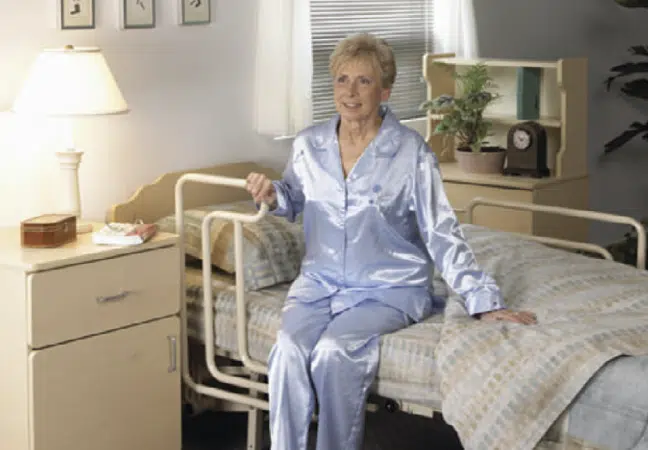
Having explored the importance of transfer techniques, it’s time to look at the equipment that can make these transitions even smoother.
Patient Lifts and Sling Sizing
Patient lifts are essential for lifting without strain. They come in various types, like Hoyer lifts and sit-to-stand options. Choosing the right sling size is crucial for comfort and safety. Measure your loved one accurately, considering their weight and the lift’s capacity. This ensures a snug fit, reducing the risk of slip-offs.
Benefits of Hospital Bed Rental Toronto
Renting a hospital bed in Toronto offers flexibility and affordability. Hospital beds provide features like adjustable height, which aids in easier transfers. Renting allows you to access high-quality equipment without a long-term commitment. This is ideal for temporary needs or trials before purchase. With TLC Home Mobility, enjoy fast delivery across the GTA.
Using a Pressure Relief Air Mattress
Pressure relief air mattresses are a great addition for comfort. They help in reducing the risk of pressure sores, particularly for those spending long hours in bed. These mattresses alternate pressure, promoting better blood circulation. Studies show that they can significantly enhance comfort and prevent skin breakdown.
Transfer Techniques and Safety
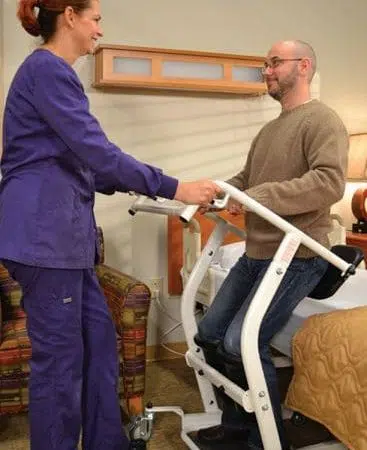
With the right equipment in hand, let’s dive into the techniques that ensure safe transfers, supporting both the caregiver and the individual.
Wheelchair Transfer Techniques
Transferring to and from a wheelchair requires precision. First, ensure brakes are engaged to prevent movement. Use a steady chair or bench to transfer smoothly. Encourage the person being transferred to assist by pushing with their arms, if possible. This mutual effort reduces strain and increases safety. Read more about wheelchair transfer techniques.
Gait Belt Use for Caregivers
A gait belt is a simple yet effective tool for transfers. Place it snugly around the person’s waist. It provides a secure grip, reducing the risk of slips. To use it effectively, maintain a firm stance and communicate clearly with the person being assisted. Many caregivers find that gait belts increase their confidence during transfers.
Using a Transfer Board Safely
Transfer boards bridge gaps between surfaces, like from bed to wheelchair. Position the board securely under the person, ensuring it’s stable. Guide the person to slide across with minimal effort, supporting them as needed. Transfer boards are especially useful for those with limited mobility, offering a safe and smooth transition. For more tips, explore safe transfer techniques.
By integrating these tips and tools, you can make home caregiving safer and more effective. Prioritize both your safety and that of your loved ones, and you’ll foster an environment of comfort and independence.