Skip to content


Pressure Relief at Home: Choosing the Right Mattress for Comfort and Skin Protection
Pressure Relief at Home: Choosing the Right Mattress for Comfort and Skin Protection
Pressure sores can develop faster than you expect when someone spends long hours in bed. Choosing the right pressure relief mattress plays a key role in keeping skin healthy and preventing painful injuries. From foam to alternating pressure mattresses, your choice affects comfort, safety, and healing at home. Let’s explore how to find the best mattress fit for your needs, so you or your loved one can rest easier. For more information on the benefits of pressure relief mattresses, you can visit this article.
Importance of Pressure Relief Mattresses

A pressure relief mattress is essential for maintaining skin health and comfort, especially for those spending long periods in bed. These mattresses help prevent painful injuries by distributing body weight evenly.
Understanding Pressure Injuries at Home
Pressure injuries, often known as bed sores, can develop quickly if someone lies in one position too long. They occur when the skin and underlying tissues are damaged due to prolonged pressure. This is why selecting the right mattress matters so much. By using a mattress that supports pressure redistribution, you minimize the risks. Read more about the effectiveness of pressure relieving mattresses to understand how they help in pressure ulcer prevention.
Key Benefits of Proper Mattress Choice
The right mattress enhances comfort and safety by reducing pressure points. This helps in better sleep and faster healing. An ideal mattress supports the body’s natural contours, providing both comfort and pressure relief. By choosing wisely, you ensure better health outcomes for those at risk of pressure injuries.
Skin Protection and Comfort Basics
Skin protection starts with understanding the basics of comfort and support. A good mattress reduces friction and shear, critical factors in preventing skin damage. The longer you wait to address these needs, the greater the risk becomes. For a detailed look into pressure relief in mattresses, visit Casper’s guide.
Comparing Mattress Types for Homecare
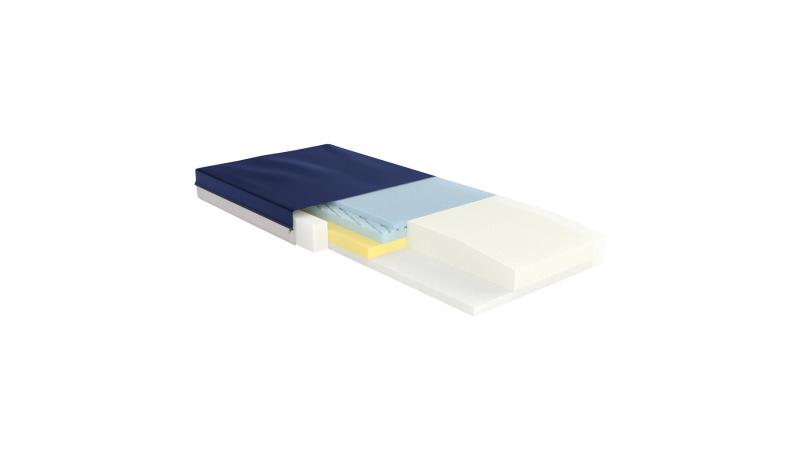
With so many options, it can be challenging to know which mattress is best. Let’s compare different types to help you make an informed decision.
Foam vs Gel Mattresses: What to Know
Foam mattresses are popular due to their ability to contour to the body, providing good support. They are usually lighter and easier to handle. However, they may retain heat. Gel mattresses offer cooling benefits and additional support. They tend to be more expensive but can be worth the investment for those who get hot at night.
-
Foam: Light, easy to handle, retains heat
-
Gel: Cooling, supportive, more costly
Choosing between foam and gel depends on personal needs and budget. Remember, the choice you make impacts comfort and healing.
Alternating Pressure and Low Air Loss Mattresses
Alternating pressure mattresses are designed to prevent sores by changing pressure points. They provide dynamic support by inflating and deflating air cells. Low air loss mattresses offer a continuous flow of air, keeping skin dry and cool. These are ideal for individuals prone to sweating or at high risk of sores.
-
Alternating Pressure: Inflates and deflates, prevents sores
-
Low Air Loss: Continuous air flow, keeps skin dry
These mattresses often come with higher costs but offer significant benefits in pressure ulcer prevention. For more on this topic, check out Medline’s strategies on pressure injuries.
Choosing the Right Hospital Bed Mattress
Hospital bed mattresses are specifically designed for medical needs, offering features like adjustable firmness and enhanced support. They are a great investment for those needing long-term care. When selecting one, consider the patient’s specific needs, the mattress’s durability, and ease of cleaning.
Tips for Selecting the Best Mattress

Finding the right balance in comfort, safety, and budget is crucial. Let’s explore some tips to guide your decision-making process.
Balancing Comfort, Safety, and Budget
When selecting a mattress, it’s vital to balance comfort, safety, and budget. Start by identifying the primary need: Is it pressure relief, cooling, or support? Next, consider the budget. Remember, a higher initial investment in a quality mattress can save costs related to medical care in the long run.
Caregiver Tips for Pressure Redistribution
Caregivers play a crucial role in managing pressure redistribution. Regularly turning and repositioning patients can help prevent pressure sores. Use pillows and cushions to relieve pressure points. Encourage movement, even if it’s slight, to enhance circulation. For comprehensive guidance, visit this research article.
How TLC Home Mobility Can Help
TLC Home Mobility offers expert advice and a range of mattresses specifically designed for pressure relief. Whether you’re looking to buy or rent, our team ensures you get the right product for your needs. With fast delivery in the GTA, we make it easy to maintain comfort and safety at home.
Choosing the right mattress is more than a comfort decision; it’s a step towards better health and peace of mind. Prioritize these factors, and you’ll find the perfect fit for you or your loved one’s needs. Remember, the right choice today can prevent complications tomorrow.