Skip to content

The Ultimate Guide to Hospital Bed Rentals in the Greater Toronto Area: What You Need to Know
The Ultimate Guide to Hospital Bed Rentals in the Greater Toronto Area: What You Need to Know
Finding the right hospital bed rental in Toronto can feel overwhelming when time and comfort matter most. You need clear answers about bed types, safety, and delivery options without the confusion. This guide breaks down everything you must know about GTA hospital bed rentals, helping you make choices that support recovery and peace of mind. For more information, visit this guide on hospital bed rentals in Toronto.
Choosing the Right Hospital Bed
Picking the perfect bed for home care isn’t just about comfort. It’s about matching needs with the right features. Let’s explore the types of hospital beds that could make a difference for you or your loved ones.
Types of Hospital Beds
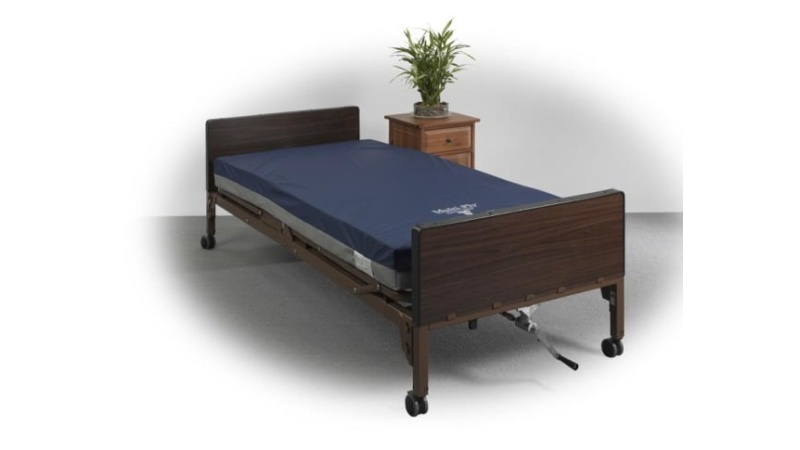
When it comes to hospital beds, you’re not short on options. Electric hospital beds are a popular choice because they offer easy adjustments for head and foot sections. This can help with comfort and ease of use. Then there’s the hi-low hospital bed, great for those who need adjustable heights for getting in and out of bed safely. If space is an issue, consider a low hospital bed rental. These beds are closer to the ground, reducing fall risks—ideal for those with limited mobility.
For those with specific needs, a bariatric hospital bed rental might be suitable. These beds are built to support higher weight capacities safely. Looking for something different? Pre-owned hospital beds offer a budget-friendly alternative without sacrificing quality. Each type has its perks, so think about what fits your situation best.
Key Safety Features
Safety is key in home care. Look for beds with safety rails—they’re crucial for preventing falls. Bed rails rental options allow you to choose between half or full-length rails. Half rails are useful if you need assistance sitting up, while full rails provide more comprehensive protection, especially for those who move around a lot in their sleep.
Another feature to consider is the emergency stop function. In case of a power outage or malfunction, this feature can halt bed movement, adding another layer of security. Lastly, check for a sturdy frame that ensures stability. A reliable bed frame means peace of mind, knowing that safety isn’t compromised.
Mattress and Accessory Options
Choosing the right mattress can transform a hospital bed into a haven of comfort. Consider an air mattress rental in Toronto for pressure relief. This is especially beneficial for those who are bedridden, as it prevents bed sores. Alternating pressure mattress rental options can further enhance comfort by relieving pressure points and promoting blood circulation.
Don’t forget about accessories like overbed tables and pillows. Overbed table rental can make daily activities, like reading or eating, more convenient. For added hygiene, a mattress protector is crucial. It keeps the mattress clean and safeguards against spills or accidents.
Rental Process and Considerations

Understanding the rental process can ease your decision-making. From terms to delivery, here’s what you need to know to secure the right bed for your needs.
Understanding Rental Terms
Before signing any agreement, it’s essential to understand what you’re getting into. Rental terms can vary, so read all the fine print. Consider the duration: are you looking for short-term or long-term use? Short-term rentals are perfect for post-surgery recovery at home, while long-term rentals might suit chronic conditions better.
Also, check what’s included in the package. Does it cover maintenance and repairs? Knowing this upfront can save you unexpected costs down the line. Finally, understand the return policy to avoid any surprises when the rental period ends.
Pricing and Payment Options
Pricing is a significant factor when considering a hospital bed rental. Costs can vary based on bed type and rental duration. On average, you can expect to pay between $150 and $400 per month, depending on features and accessories. Look for packages that offer bundled pricing, which might include delivery and setup.
Payment options are another consideration. Some providers offer flexible payment plans to ease the financial burden. You may also want to inquire about any available discounts, especially if you’re renting multiple pieces of equipment.
Delivery and Setup Services
Delivery and setup are crucial parts of the rental process. Many providers offer same day delivery in GTA, ensuring you get your bed quickly. This is particularly important when time is of the essence. Once delivered, professional setup is often included. This ensures the bed is assembled correctly and safely.
The setup team should also provide you with a brief tutorial on adjusting the bed and using its features. This hands-on instruction can make a significant difference in daily ease of use. For more insights, check out this in-depth guide on hospital beds in Toronto.
When to Rent vs. Buy

Deciding whether to rent or buy a hospital bed can be tricky. Weighing the benefits of each option will help you make an informed decision.
Benefits of Renting
Renting a hospital bed offers several advantages. It’s ideal for short-term recovery, such as post-surgery. Renting allows for flexibility, adapting to your changing needs without a long-term commitment. This can be a more cost-effective approach if you don’t anticipate needing the bed for an extended period.
A rental also includes maintenance and support, ensuring the bed remains in top condition. If your needs change, you can easily switch models. This adaptability is a significant benefit, offering peace of mind during uncertain times.
Advantages of Buying
Buying a hospital bed might be the better option for long-term needs. It provides a one-time investment, eliminating ongoing rental fees. Ownership allows for customization, enabling you to select features tailored to specific needs. This option is often more economical for individuals requiring a bed indefinitely.
Buying a bed also means no worries about return conditions or penalties. You gain full control over the bed, and it can be a valuable asset for future use. Consider purchasing if you foresee long-term necessity for equipment.
Rent-to-Own Options
Rent-to-own options offer a middle ground between renting and buying. You start with renting, and if you decide to keep the bed, rental payments go toward the purchase price. This option provides the flexibility of a rental with the eventual ownership benefits.
It’s an excellent choice if you’re unsure about long-term needs. You can test the bed before committing fully. This option combines the best of both worlds, offering adaptability and control. For more information, explore this blog about navigating hospital bed rentals.
By understanding these factors, you can confidently choose the best solution for your home care needs. Whether renting or buying, the key is to ensure comfort and safety for your loved ones.