Skip to content

Stay Skin-Safe: Why Pressure-Relief Mattresses Are Essential During Extended Bed Rest
Pressure ulcers can develop faster than you think when someone stays in bed for long periods. You want to protect your skin’s integrity and avoid painful bed sores that slow healing. A pressure-relief mattress plays a key role in bed sore prevention by redistributing pressure and improving comfort. Keep reading to learn how these mattresses work, who needs them, and how TLC Home Mobility helps you find the perfect fit quickly in the Greater Toronto Area. Learn more about the effectiveness of pressure-relieving mattresses here.
The Role of Pressure-Relief Mattresses
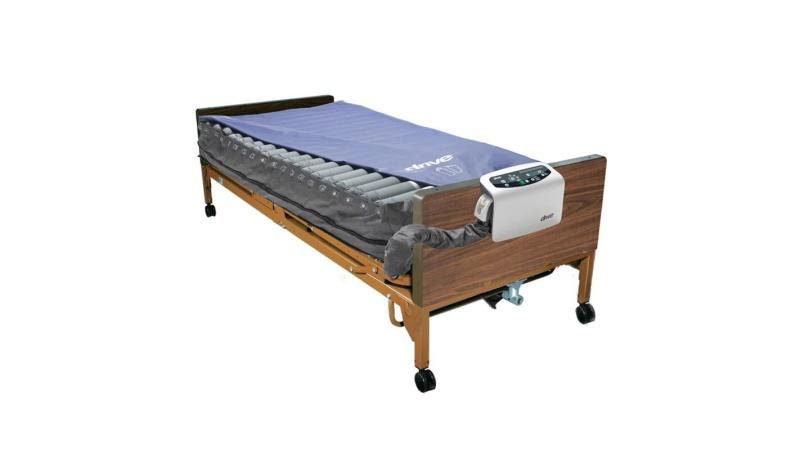
When you think about preventing bed sores, pressure-relief mattresses become vital. They’re not just about comfort; they’re about maintaining skin health and helping those confined to bed avoid painful injuries.
Preventing Bed Sores Effectively
Bed sores, also known as pressure ulcers, can develop in mere hours. They occur when prolonged pressure cuts off circulation to the skin. A pressure-relief mattress minimizes this risk by distributing your body weight more evenly. These mattresses are designed to reduce pressure on vulnerable areas like the hips, heels, and tailbone.
To understand their importance, consider a study revealing that up to 60% of hospital patients develop pressure ulcers without proper bedding. By using a specialized mattress, you can significantly lower this risk. They’re not just for hospital settings; these mattresses are perfect for home use, especially if someone is bedridden for a long time period.
Importance of Skin Integrity
Keeping your skin healthy is crucial if you’re bedridden. Skin integrity refers to the condition of your skin, and maintaining it means fewer complications and faster healing. Pressure-relief mattresses play a key role in this process. They help prevent skin breakdown by maintaining blood flow and reducing friction.
Imagine this: Instead of constantly shifting someone in bed, the mattress does the work. It eases pressure points and helps keep skin smooth. This is especially important for individuals with reduced mobility. You’ll find that maintaining good skin health helps in overall well-being and recovery.
Types and Features of Mattresses
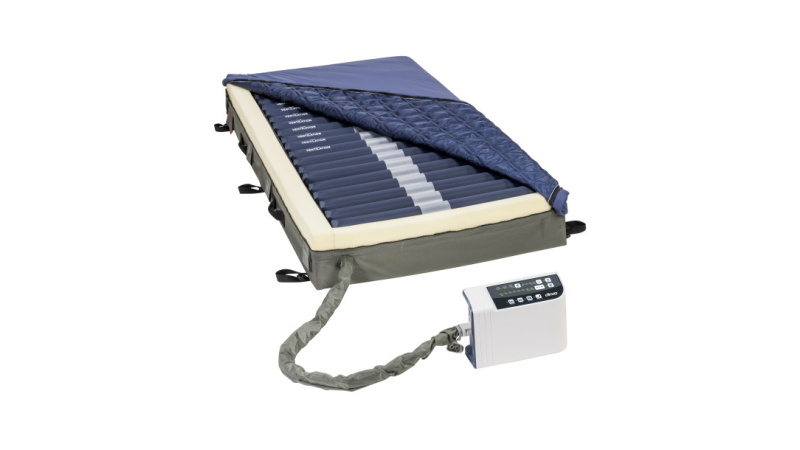
Understanding the types of pressure-relief mattresses can help you choose the right one. Each mattress offers unique features designed to promote comfort and prevent bed sores effectively.
Exploring Alternating Pressure Systems
Alternating pressure systems are a game changer. These mattresses use air cells that inflate and deflate on a cycle to change pressure points on the body. This movement mimics the natural shifting you do while sleeping. The key benefit here is that it constantly relieves pressure without needing frequent manual adjustments.
These systems are best for individuals at high risk of developing pressure sores. They provide consistent relief and can cater to various body types and conditions. Research highlights that alternating pressure mattresses reduce ulcer development by up to 40%. For caregivers, this means less worry and more confidence in providing care.
Discover more about how alternating pressure systems work.
Benefits of Low Air Loss Mattresses
Next, consider the low air loss mattress. It’s designed to control moisture and temperature, two major factors in skin health. By circulating air through the mattress, it keeps the skin dry and cool, which is crucial for maintaining skin integrity.
These mattresses are especially beneficial in humid environments or for individuals who sweat excessively. They are engineered to support patients weighing up to 400 pounds, providing robust support while ensuring comfort. For caregivers, the low air loss feature means less frequent bed changes and a happier, healthier patient.
Explore the benefits of low air loss mattresses in detail here.
Who Needs a Pressure-Relief Mattress?

Not everyone needs a specialized mattress, but for those who do, it can be life-changing. Here’s who benefits the most.
Long-Term Bed Rest Support
If you or a loved one is confined to bed for long durations, a pressure-relief mattress is essential. It’s not just for the elderly; anyone recovering from surgery, injury, or illness can benefit. Long-term bed rest increases the risk of developing pressure ulcers, making these mattresses a wise investment.
Care facilities often recommend them because they reduce complications and speed up recovery. They’re designed for those who spend more than 15 hours a day in bed, providing necessary support and comfort.
Caregiver Tips for Selection
Choosing the right mattress can feel overwhelming, but it doesn’t have to be. Here are some quick tips:
-
Assess Needs: Consider the person’s health, weight, and duration of bed rest.
-
Check Features: Look for features like alternating pressure or low air loss based on specific needs.
-
Quality Matters: Opt for reputable brands known for durability and comfort.
As a caregiver, your role in selecting the right mattress is crucial. It directly impacts the person’s health and comfort. TLC Home Mobility offers expert guidance to help you make informed decisions, ensuring you select the best option tailored to the individual’s needs.
Understanding these elements helps ensure that when you choose a pressure-relief mattress, you’re making a choice that will bring comfort and improve health outcomes. Whether for yourself or someone you care for, these mattresses do more than just provide a place to sleep; they support a healthier life.