Skip to content


Lift the Burden: How Patient Lifts Reduce Caregiver Strain and Enhance Safety
Lift the Burden: How Patient Lifts Reduce Caregiver Strain and Enhance Safety
Caregiving often means long hours and heavy lifting that wear you down. Patient lifts change that by making safe patient transfers easier and reducing caregiver strain. In this post, you’ll learn how the right lift—whether a sit-to-stand lift, ceiling lift system, or portable floor lift—can prevent falls, protect your health, and preserve dignity for those you care for. Ready for safer transfers at home? Let’s explore what works best in the Greater Toronto Area. For more information, visit this resource.
Understanding Patient Lifts
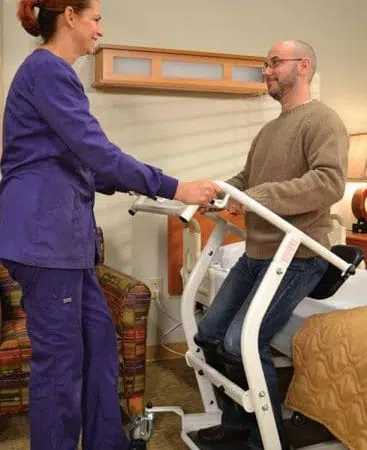
Let’s dive into patient lifts and how they make life easier for caregivers and those needing assistance. These devices are essential in ensuring safety and comfort during patient transfers.
Types of Patient Lifts
Patient lifts come in various forms to suit different needs. The most common type is the sit-to-stand lift, ideal for those who need help standing. This lift supports the user from a seated position, reducing the risk of falls. Another option is the ceiling lift system, which offers smooth and secure transfers with minimal space requirements. This type is often installed in homes for those with limited mobility. The portable floor lift is versatile and easy to move, making it perfect for temporary situations. It can be set up quickly and used in different rooms as needed. Each lift type caters to specific needs, ensuring safer transfers and less physical strain on caregivers.
Purpose of Patient Lifts
Patient lifts serve a critical role in home care. They are designed to facilitate safe patient transfers, minimizing the risk of injuries for both the patient and caregiver. By using a lift, caregivers can help patients move from a bed to a chair or from sitting to standing without exerting excessive physical effort. This is especially important in reducing caregiver strain, which can lead to long-term health issues if not managed properly. Additionally, patient lifts help maintain the dignity of those with mobility challenges. By using a lift, individuals can move more independently, boosting their confidence and enhancing their quality of life.
Enhancing Safety and Reducing Strain
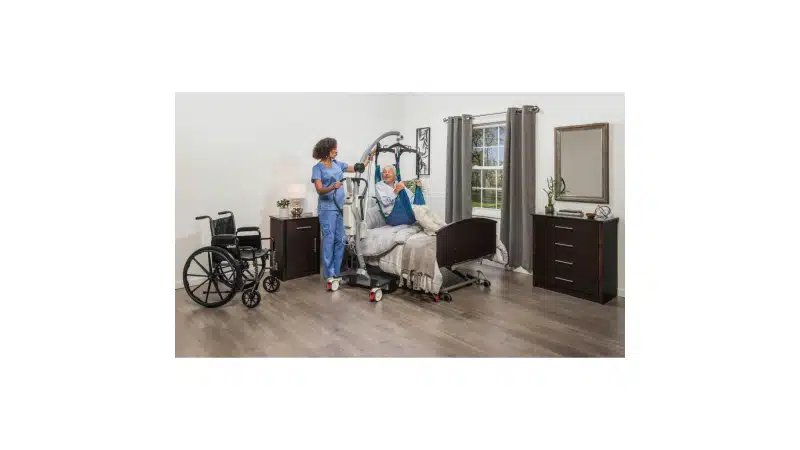
Patient lifts are not just about convenience; they are about enhancing safety and reducing strain for both caregivers and patients.
Preventing Injuries and Falls
Did you know that over 80% of home falls happen during transfers? This alarming statistic highlights the importance of using patient lifts. These devices are designed to stabilize patients during transfers, preventing sudden movements that could lead to falls. A patient lift acts as a supportive partner, ensuring each transition is smooth and secure. When using a lift, the risk of slips and falls decreases significantly, providing peace of mind for caregivers and loved ones. For more insights on preventing falls, explore this article on patient lift benefits.
Reducing Caregiver Fatigue
Imagine lifting someone several times a day. The physical toll on a caregiver can be immense. Patient lifts change that by doing the heavy lifting. With these devices, caregivers no longer have to bear the brunt of physical strain during transfers. This reduction in physical demand allows caregivers to focus on providing quality care and support without risking their health. You’ll find that with less physical stress, caregivers experience less fatigue, making their caregiving role more sustainable. Check out this blog post to learn how patient lifts improve caregiver well-being.
Improving Patient Dignity
Patient dignity is a crucial aspect of caregiving often overlooked. When individuals rely on others for mobility, it can impact their self-esteem. Patient lifts help maintain dignity by allowing individuals to move with assistance rather than be lifted manually. This promotes a sense of independence and self-worth. By using a lift, patients can participate in their transfers, fostering a collaborative environment between them and their caregivers. For more on improving patient dignity, visit this blog.
Choosing and Using the Right Lift
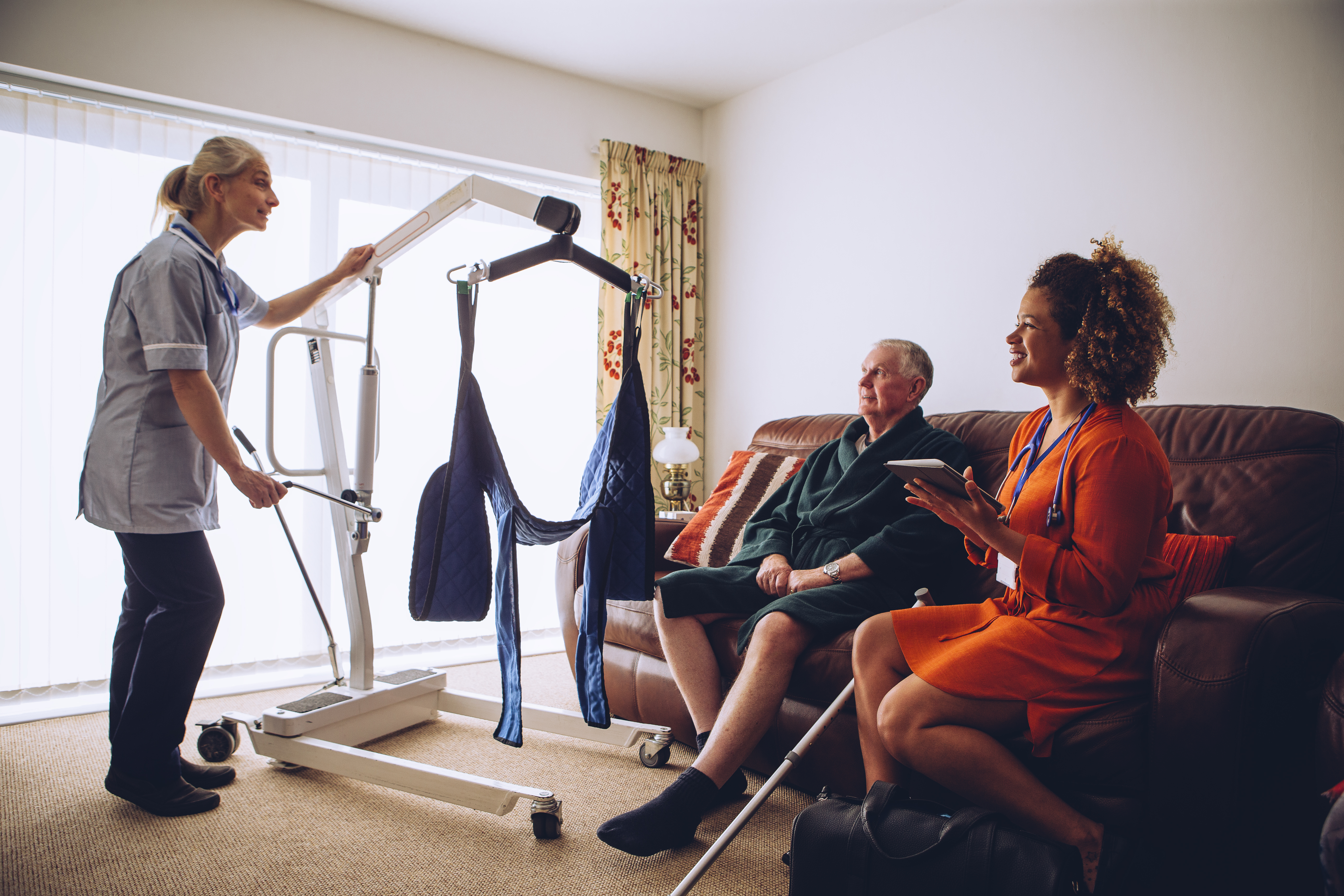
Selecting the right patient lift is essential to maximizing the benefits for both the caregiver and the individual needing assistance.
Safety Tips for Patient Lifts
Safety should always come first when using patient lifts. First, ensure the lift is appropriate for the patient’s weight and mobility needs. Regularly check all straps and slings for wear and tear, and replace them if needed. Always follow the manufacturer’s guidelines for use and maintenance. Another key tip is to ensure the area around the lift is clear of obstacles to prevent accidents. Training is crucial too; caregivers should be familiar with operating the lift safely. Proper use of lifts can prevent accidents and injuries, making caregiving a safer experience for everyone.
Guidance on Lift Selection
Choosing the right lift involves understanding the specific needs of the person using it. Consider factors such as mobility level, the layout of the home, and whether the lift will be used for temporary or long-term needs. A sit-to-stand lift is great for those who can bear some weight, while a ceiling lift system is ideal for those needing more support. Portable floor lifts offer flexibility for different rooms. Consulting with a professional can help ensure you select the most suitable lift for your situation. For more guidance on choosing a lift, see this resource.
In summary, patient lifts are invaluable tools in caregiving, enhancing safety, reducing caregiver strain, and preserving patient dignity. By choosing the right lift and using it safely, you can ensure a more comfortable and secure environment for everyone involved.