Skip to content


Patient Lifts at Home: Safety Tips for Caregivers in the GTA
Patient Lifts at Home: Safety Tips for Caregivers in the GTA
Patient lifts at home can feel complicated, and mistakes put both you and your loved one at risk. Using the right sling, checking the equipment, and knowing safe transfer steps make all the difference. In this guide, you’ll get clear, practical tips on patient lift safety that protect caregiver backs and prevent falls. Ready to feel confident with every move? Let’s start with what you need to know before even turning on the lift. For further reading, you might find this checklist for the correct and safe use of a patient lift helpful.
Essential Patient Lift Safety Tips
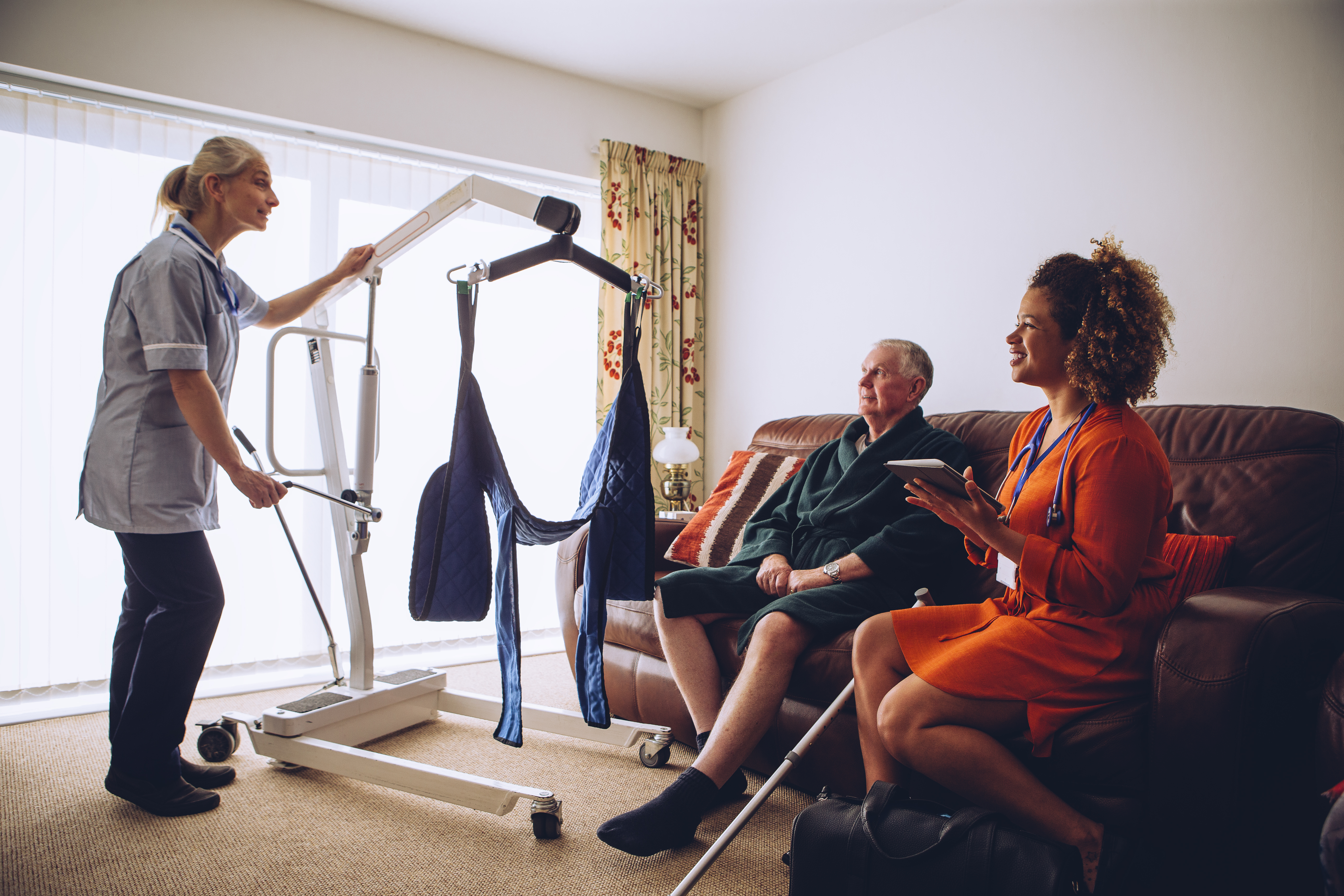
Setting up the right environment is key before using patient lifts. It ensures everyone’s safety and makes the process smoother. Here’s what you need to check around the house.
Environment Setup for Safety
Start by clearing the area. Make sure there’s enough room for the lift to move freely without bumping into furniture or walls. A cramped space can lead to accidents. Place non-slip mats on the floor, especially if you have tiles or hardwood. Slippery surfaces are a common cause of falls. Think about keeping lighting bright so you can see clearly during transfers. Poor lighting can make it hard to spot obstacles.
Don’t forget about accessibility. Ensure any necessary items like remote controls or emergency buttons are within easy reach. If you have pets, it might be a good idea to keep them in another room during transfers. Pets can accidentally get in the way and cause unexpected disruptions.
Pre-Use Checks and Preparation
Before using the lift, it’s crucial to perform a few checks. First, inspect the equipment for any visible damage or wear. Look for frayed straps or loose screws—they can compromise safety. Test the battery level if your lift is electric. A lift that loses power mid-transfer can be dangerous.
Next, consult the user manual to ensure all parts are correctly assembled. If you’re unsure, don’t hesitate to reach out for help or check online resources. Remember, proper setup prevents mishaps. Doing a quick test run with an empty sling can also help you feel more confident about the process.
Safe Transfers at Home

Once your environment is set and pre-use checks are complete, it’s time to focus on the transfer process. This stage is where precision matters most.
Transfer Do’s and Don’ts
When transferring, always communicate clearly with the person being moved. Let them know each step you’re taking. It helps them feel secure and involved. Use smooth, controlled motions rather than fast, jerky ones. Quick movements can cause panic or imbalance. Always secure the sling properly before lifting. Double-check the connections and ensure the person is positioned correctly.
Avoid pulling or dragging the person across any surface. This can cause skin tears or discomfort. Instead, use the lift to perform the full transfer. If something doesn’t feel right, pause and reassess the situation. Rushing increases the risk of mistakes.
Sling Sizing Guide
Choosing the right sling size is more important than you might think. A properly fitted sling offers support and reduces the risk of injury. Measure the person accurately and refer to the manufacturer’s size chart. If in doubt, it’s better to go a bit larger than too small. A tight sling can be uncomfortable and dangerous.
Look for slings with adjustable features for a more customized fit. Check if the person feels comfortable once in the sling. If they’re uncomfortable, adjustments may be necessary. For more detailed instructions on sling sizing, consult the Hoyer Lift guide.
Maintenance and Communication

Keeping your lift in good shape and maintaining open communication are essential for ongoing safety and reliability.
Routine Care and Maintenance
Regular maintenance ensures your lift remains safe to use. Create a monthly checklist for inspections. This should include checking for wear and tear, cleaning any dirt or debris, and testing the lift’s functions. If any parts seem worn, replace them immediately.
Follow the manufacturer’s guidelines for maintenance frequency. Don’t skip these checks—consistent care extends the life of your lift and keeps it operating smoothly. If you’re unsure about specific maintenance tasks, resources like the Patient Lifts Safety Guide offer detailed instructions.
Effective Communication Strategies
Communication is key when using a patient lift. Before starting, discuss the transfer plan with the person being moved. Make sure they are comfortable with the steps involved. Use clear and simple language to explain what will happen next. This not only reassures them but also keeps you aligned on the process.
Encourage feedback during and after the transfer. If they express discomfort or fear, address these concerns promptly. Open dialogue can prevent issues and foster trust. Remember, most people think they have to handle everything alone, but team communication can significantly enhance safety and comfort.
😊