Skip to content


How to Prepare Your Home for a Hospital Bed: A Simple Step-by-Step Guide
How to Prepare Your Home for a Hospital Bed: A Simple Step-by-Step Guide
Preparing your home for a hospital bed can feel overwhelming, especially when safety and comfort are top priorities. Getting a room ready the right way makes a huge difference for both your loved one and their caregivers. This guide walks you through a clear hospital bed setup checklist to help you arrange space, ensure safe at home mobility, and choose the best equipment. Ready to simplify your home hospital bed installation? Let’s get started. For more tips on comfort and accessibility, check out this resource.
Preparing Your Space

A well-prepared room is your first step towards creating a safe and comfortable environment. Let’s dive into some key considerations for your space.
Clear and Spacious Room
A clear room can make all the difference in ease of movement. Start by removing any unnecessary furniture to free up space. This not only gives you room to maneuver but also reduces hazards like tripping. Consider storing items that won’t be needed during the recovery period. A clutter-free room provides peace of mind and makes caregiving much more manageable. Most people think it’s fine to leave things as they are, but the more open space, the better.
Ensure Easy Access
Easy access to the room is vital. Make sure the doorways are wide enough for any equipment that may need to pass through. You might need to rearrange or remove some doors if they create bottlenecks. Additionally, check the path to the bathroom and kitchen. Clear paths ensure that moving around the home is seamless, which is essential for both the patient and caregivers. For detailed instructions on setting up equipment, visit this guide.
Safe and Stable Flooring
Flooring plays a crucial role in safety. Ensure floors are stable and slip-resistant. If you have rugs, secure them with non-slip mats or remove them entirely. Loose carpeting or slippery floors can pose significant risks. Adding floor grip can help in areas prone to spills, like near bathrooms. Remember, the longer you wait to address flooring issues, the greater the risk of accidents.
Choosing the Right Equipment
Once your space is ready, the next step is selecting the right equipment for comfort and safety. Here’s what you need to know.
Electric Hospital Bed Features
An electric hospital bed can make caregiving easier and more effective. Look for features like adjustable height and tilt options, which can assist in both comfort and mobility. These beds often come with easy-to-use controls that help tailor the bed position to the patient’s needs. Some models also offer emergency backup systems, which are crucial during power outages. Check out this article for maintenance tips.
Essential Accessories
Accessories can enhance the hospital bed setup. Consider adding a bedside table for easy access to personal items. Overbed tables are also incredibly useful for meals or activities. Additionally, keep remote controls and phones within reach. These simple additions can significantly improve the patient’s daily life, making everything they need just an arm’s length away. It’s the little things that add up to great comfort.
Pressure Relief Solutions
Pressure relief is crucial to prevent bedsores. Consider mattresses designed for pressure relief, like foam or air mattresses. These specialized mattresses distribute weight evenly, reducing pressure on sensitive areas. Some even have alternating pressure systems to further enhance comfort. Investing in these solutions can drastically minimize the risk of skin issues, offering both the patient and caregiver peace of mind.
Prioritizing Safety and Comfort

Safety and comfort are at the heart of any good hospital bed setup. Let’s explore how to ensure both for your loved one.
Proper Bed Rails and Trapeze Bars
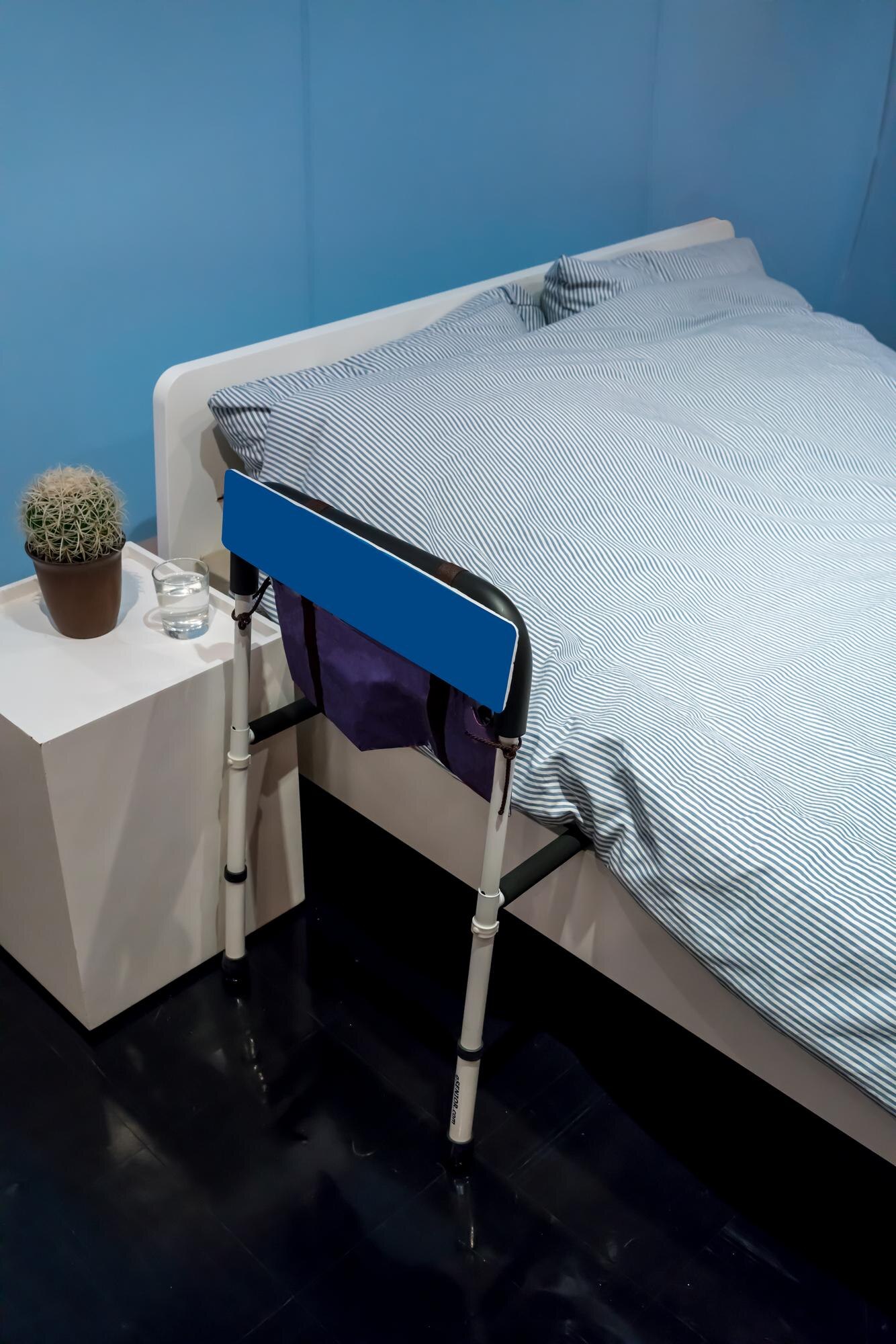
Bed rails can prevent falls and provide support when getting in and out of bed. Half rails are ideal for those who can move independently but need a little support, while full rails offer more security for those at high risk of falling. Trapeze bars are another useful tool, providing leverage for the patient to reposition themselves. Make sure these installations are secure and regularly checked to maintain their safety.
Comfortable Patient Lifts
Patient lifts are invaluable for safe transfers. Choose a lift that suits your needs, whether it’s a manual or electric model. Ensure that it can handle the patient’s weight and has easy-to-use controls. These devices can significantly reduce caregiver strain and prevent injuries. For more on proper usage, view this video guide.
Optimizing Caregiver Access
Lastly, remember that caregiver access is just as important as patient comfort. Ensure caregivers have enough room to move around the bed and access all necessary controls. This can help them provide better care and respond quickly to any needs. A setup that supports the caregiver ultimately supports the patient too. For further reading on in-home care equipment, refer to this resource.
By following these steps, you’re setting up a safer, more comfortable space for your loved one. Remember, the effort you put into the setup pays off in peace of mind and care quality.