Skip to content

A Comprehensive Guide to Patient Lifts: Enhancing Safety and Comfort at Home
Moving someone safely at home can feel overwhelming for caregivers and family alike. Patient lifts offer a way to reduce strain while keeping your loved one comfortable and secure during transfers. In this guide, you’ll learn how these mobility solutions improve home safety and support both individuals and caregivers every day. Let’s explore options that make a real difference in your home healthcare routine. For more detailed information, you can check this safety guide.
Understanding Patient Lifts
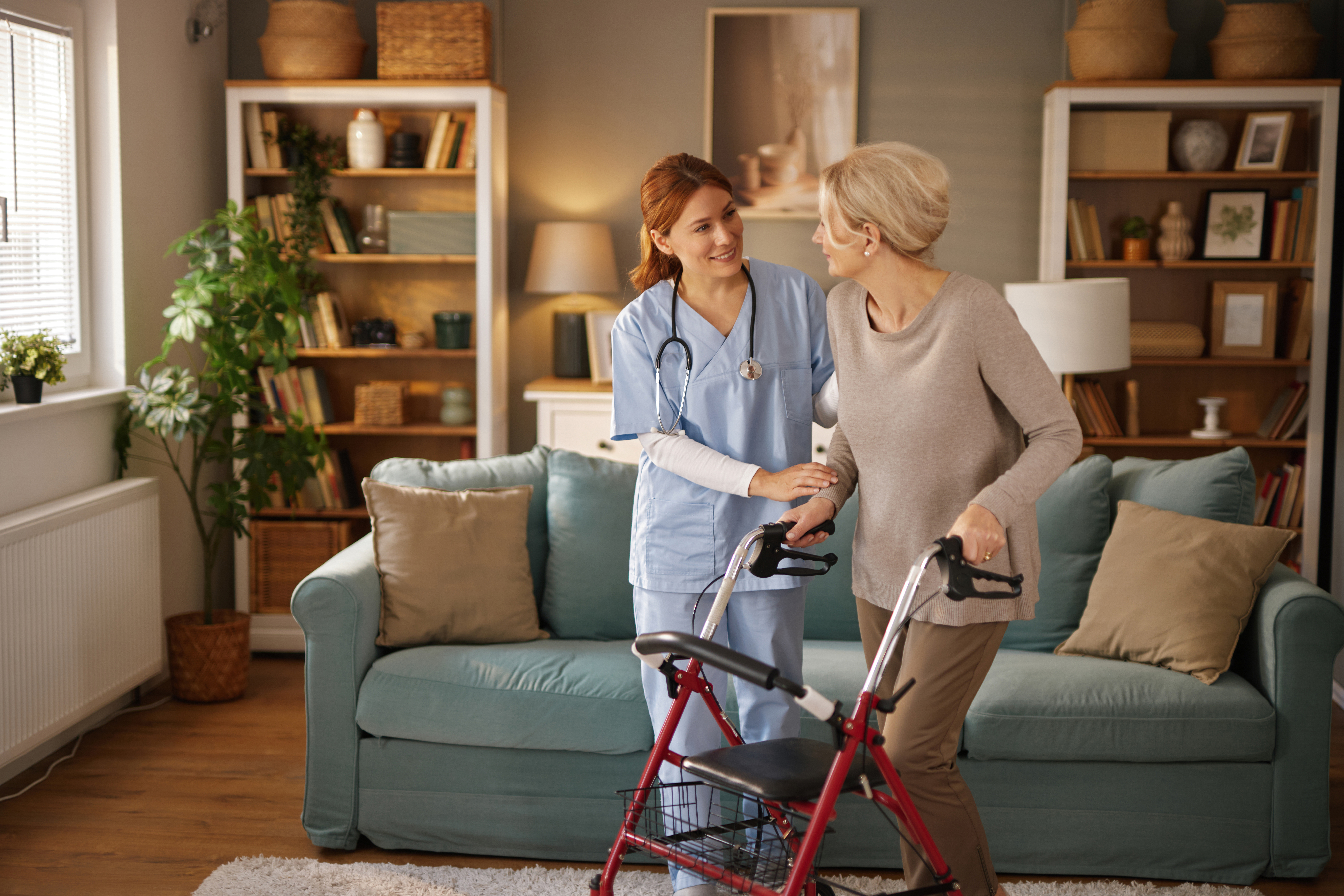
Patient lifts can transform your caregiving routine by providing a safe, stress-free way to move loved ones with limited mobility. These devices ensure that both caregivers and individuals feel secure during transfers.
Benefits of Patient Lifts
Patient lifts offer peace of mind by significantly reducing the physical strain on caregivers. They minimize the risk of injuries associated with manual lifting, making daily activities safer for everyone involved. Many caregivers find that lifts help them maintain a high quality of life for their loved ones. The primary benefit is ensuring safety during transfers, which can otherwise be challenging.
Lifts also enhance the comfort of individuals being moved. By providing smooth, controlled movements, lifts prevent discomfort and potential injury. This not only supports physical health but also boosts emotional well-being, knowing that transfers are safe and comfortable. Comfort in movement is a key factor in maintaining dignity and independence at home.
Types of Patient Lifts Available
Choosing the right lift involves understanding the different types available. Manual lifts, powered by hydraulic systems, are a cost-effective option, while electric lifts offer greater ease with motorized operation. Both types can be used for various transfer situations, such as bed-to-chair or chair-to-toilet.
There are also specific lifts designed for particular needs. For instance, sit-to-stand lifts are perfect for individuals who require assistance transitioning between sitting and standing. Overhead track lifts provide a permanent solution for frequent transfers in fixed locations. You can explore more types and their uses here. Always consider the specific needs and preferences of the person being cared for when selecting a lift.
Enhancing Safety and Comfort
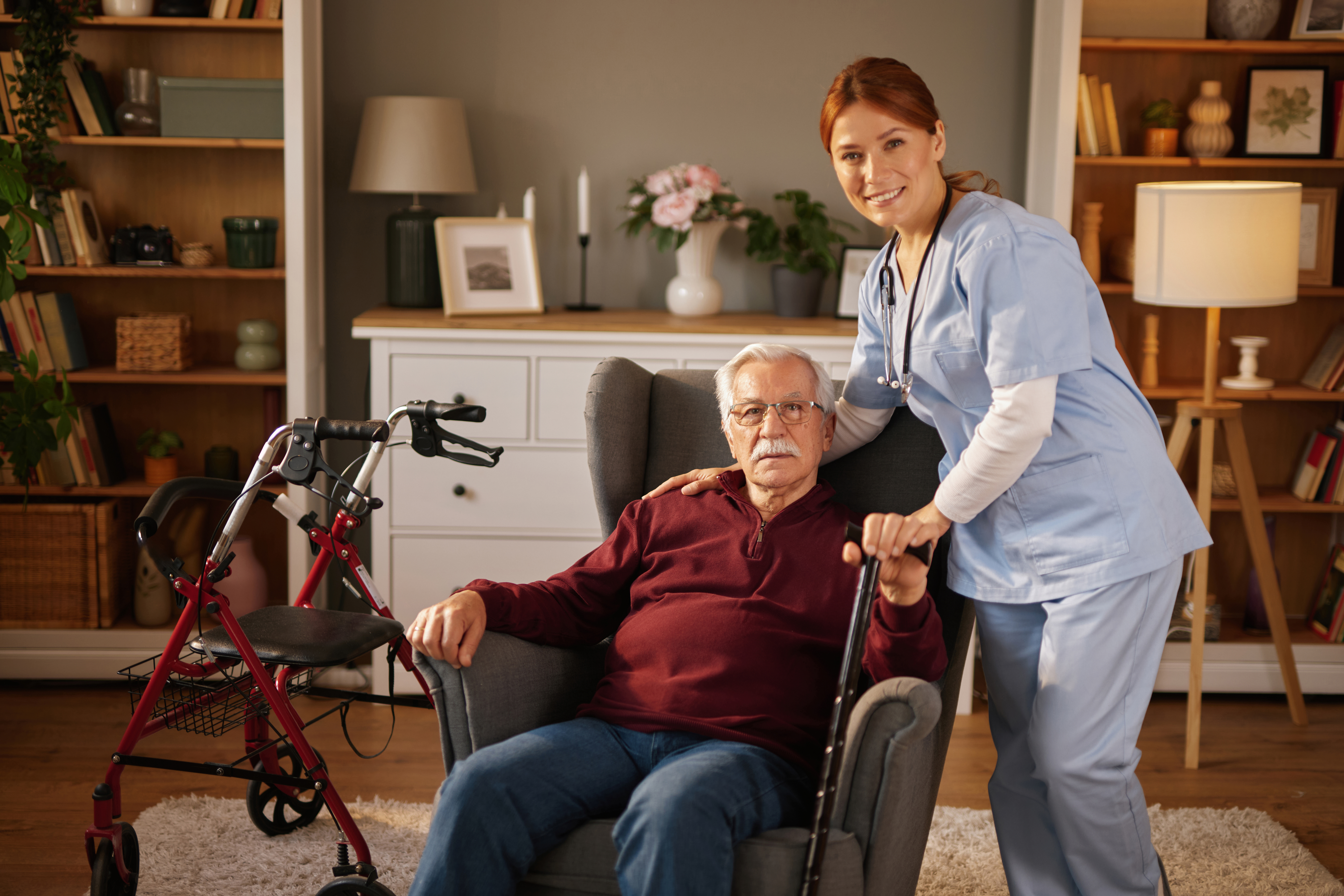
Safety and comfort are paramount in home healthcare, and patient lifts play a crucial role in delivering both. By facilitating secure transfers, these devices contribute to a worry-free environment.
Safe Transfers for All
The primary goal of patient lifts is to ensure safe transfers. They allow for controlled movement, reducing the risk of falls or injuries. For caregivers, this means handling transfers confidently without the fear of accidents. This is particularly important in homes where space may be limited, and maneuvering can be tricky.
For individuals with mobility challenges, lifts provide a reliable way to move without fear of falling. This security is invaluable, as it can boost confidence in their ability to live independently. Knowing that transfers are safe can make a significant difference in the quality of life for both caregivers and those in their care.
Caregiver Support and Ease of Use
Patient lifts are designed to be user-friendly, ensuring caregivers can operate them without complex training. Features like easy-to-use controls and adjustable settings make lifts accessible for everyone. This ease of use is crucial in maintaining smooth daily routines.
Caregivers benefit immensely from the physical support that lifts provide. By reducing the need for manual lifting, lifts prevent caregiver strain and injury. This support is essential for maintaining the caregiver’s health and well-being, allowing them to provide the best care possible. When caregivers feel supported, they can focus more on the emotional and social aspects of care.
Choosing the Right Mobility Solution
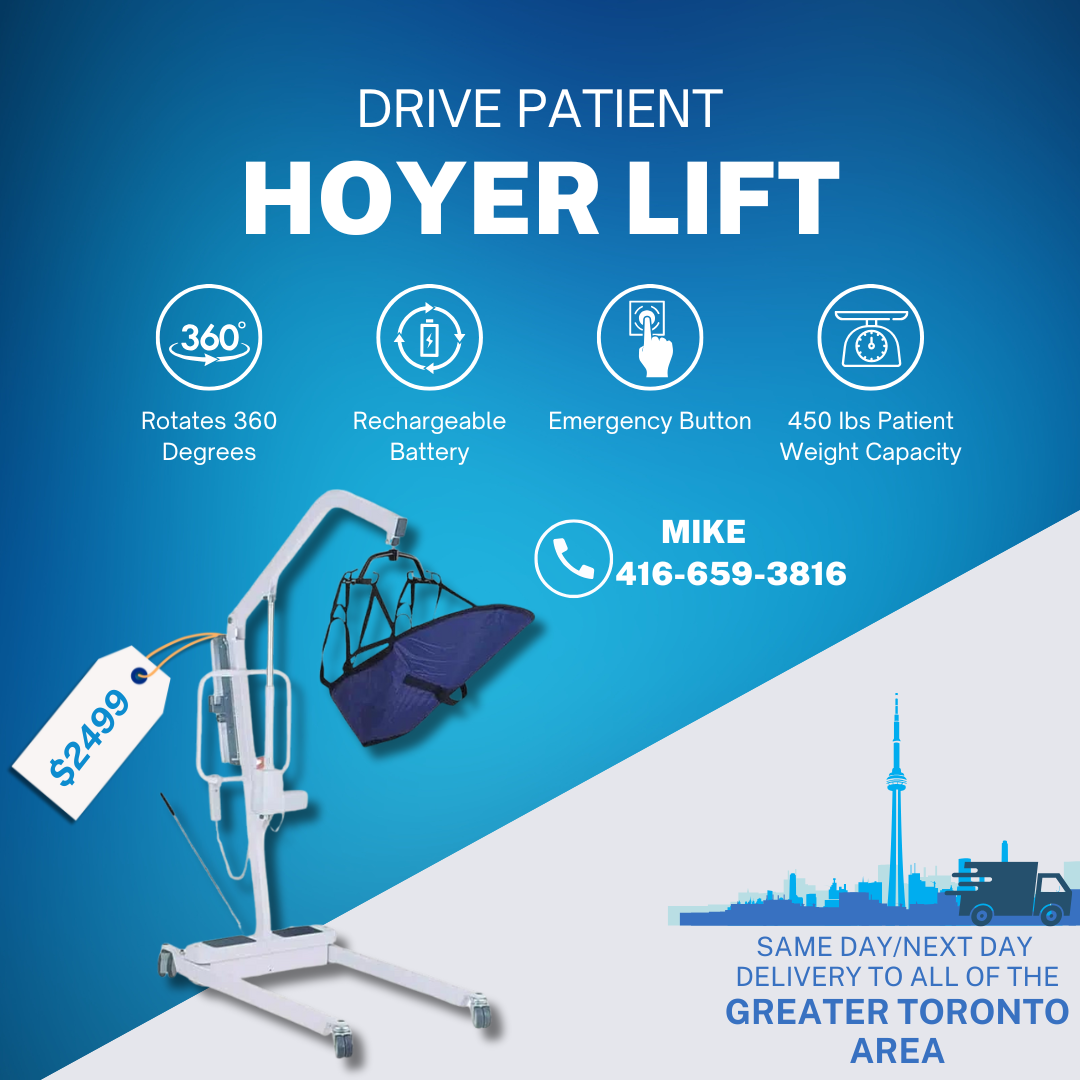
Selecting the right patient lift involves considering several factors to ensure it meets your home healthcare needs effectively.
Considerations for Home Safety
When choosing a patient lift, safety should be your top priority. Consider the weight capacity of the lift to ensure it can safely support the individual using it. Also, think about the space where the lift will be used. Some lifts require more room to operate effectively.
It’s also important to consider the lift’s compatibility with other mobility aids you may be using at home. Ensuring that all equipment works together seamlessly is key to maintaining a safe environment. Regularly check and maintain the lift to ensure it remains in good working condition.
Exploring Assistive Devices for Home Healthcare
Beyond patient lifts, a variety of assistive devices can enhance home healthcare. From wheelchairs to adjustable beds, these tools are designed to improve quality of life. Explore options that complement the use of a patient lift, such as transfer boards or slide sheets, for added convenience.
Each device serves a specific purpose, and when used together, they create a comprehensive support system for mobility. Remember, the longer you wait to integrate these solutions, the more challenging mobility can become. For more details on the benefits of assistive devices, explore this resource.
In summary, patient lifts are an invaluable tool for enhancing safety and comfort in home healthcare. By understanding the types available and considering your specific needs, you can choose the best solution for your home. Prioritize safety and comfort, and explore all available assistive devices to create a supportive environment for independent living.